
Auction: 25111 - Orders, Decorations and Medals - e-Auction
Lot: 297
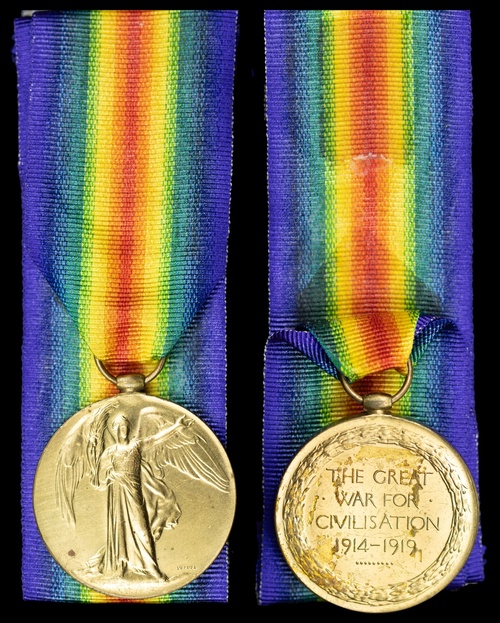
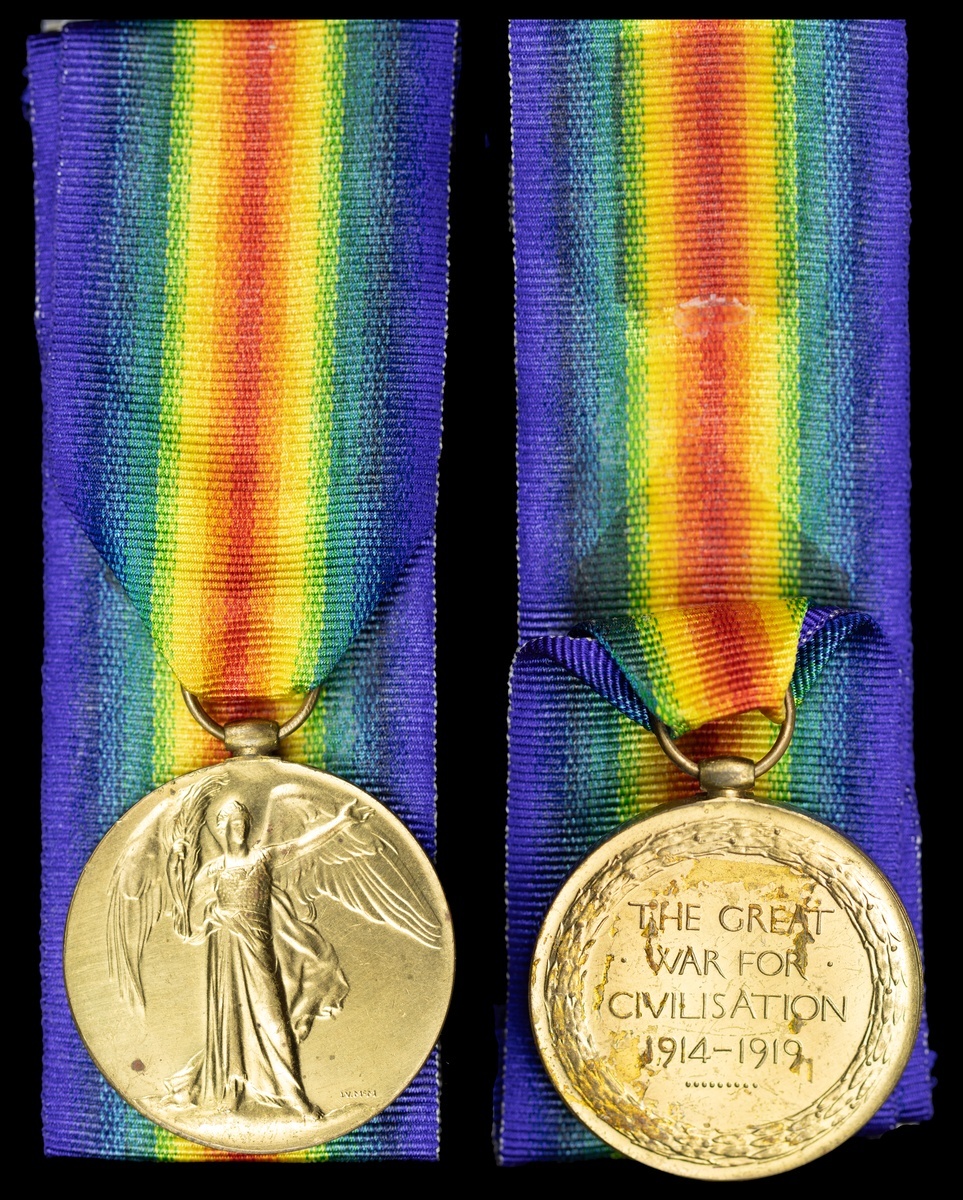
The Victory Medal to Second Lieutenant A. O. Bigg-Wither, Royal Flying Corps, who survived a practice flight crash in a Nieuport Scout on 9 May 1917 but who later was killed during an exhibition flight at King's Lynn on 2 May 1926
Victory Medal 1914-19 (2.Lieut. A. O. Bigg-Wither. R.F.C.), extremely fine
Arthur Orde Bigg-Wither was born at Sandoway, near Akyab, Burma, on 5 September 1898. He became a Temporary Second Lieutenant on Probation for duty with the Royal Flying Corps (London Gazette 3 February 1917) and became Temporary Second Lieutenant confirmed in rank (London Gazette 7 May 1917). He joined No. 40 Squadron and served at the same time as Edward (Mick) Mannock (V.C., D.S.O. and two bars, M.C. and bar).
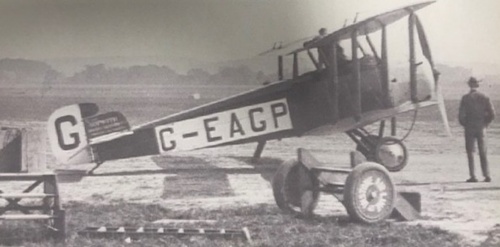
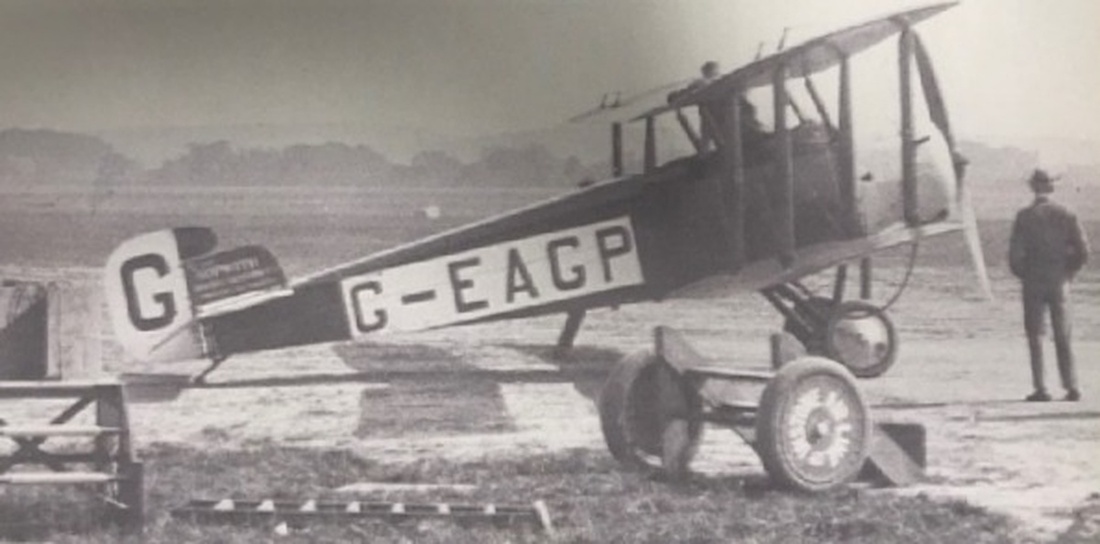
On 9 May 1917 he was flying a Nieuport Scout B/1634 on a practice flight, the aeroplane suffered an engine failure and stalled and spun, it crashed to the ground and Bigg-Wither suffered a concussion and was admitted to hospital. He was transferred to the unemployed list on 22 February 1919. Despite his flying accident he continued flying in a civilian capacity, however his luck ran out on 2 May 1926 when flying the Sopwith Gnu (G-EAGP). The aircraft had taken off from Brooklands, Weybridge, Surrey for King's Lynn, various people were taken up for pleasure flights however Bigg-Wither was unable to pull up from a spiral nose dive and crashed into Hardwick Road cemetery in King's Lynn, he died as a result of his injuries. The incident was reported in the Nottingham Journal of 3 May 1926:
'A terrible flying accident occured at King's Lynn (Norfolk) shortly before five o'clock yesterday afternoon and resulted in the death of Captain A. O. Bigg-Wither, of Waterloo-road, London, and considerable injury to George Mark Lloyd (22), of Baker-street, London. The accident occurred during an exhibition flight. The machine belonged to Messrs. Lloyds Aviation Company, who were at King's Lynn for a week giving performances of flying and passenger pleasure trips. The weather had been unsuitable until yesterday when a high wind was blowing. About 2.30 flying commenced and there were several thousand present to watch the flights. Several local people were taken up in pairs for short trips, and at 4.30 Lloyd went up with the pilot, Captain Bigg-Wither, and a local man named Arthur Barrett, a motor demonstrator. When about 2,000 feet up Lloyd walked along the right wing of the machine and performed other daring feats. He returned to his seat, and the pilot commenced a series of banking feats and then started a spiral nose dive. He seemed unable to recover from it and the machine crashed to earth in a cemetery, knocking over several tombstones and completely wrecking itself. Just before it reached the ground - Barrett, the passenger, jumped from the machine and escaped practically unhurt. Captain Bigg-Wither and Lloyd were observed to have sustained serious injuries, and the former died on his arrival at hospital. Lloyd is suffering from a broken jaw and other injuries. Barrett walked to the hospital and was treated for a slight cut on the head.'
The accident was later debated in Parliament on 5 May 1926; sold with assorted copied research.
Subject to 20% VAT on Buyer’s Premium. For more information please view Terms and Conditions for Buyers.
Sold for
£110
Starting price
£40
Watch, listen and bid as if you were in the room. Now available for auctions worldwide.
Click here to bid live
An exclusive and confidential service for the discerning collector or vendor.
View the Gallery
Download every Spink catalogue on your iPad, iPod or iPhone using free Spink app.
Download From iTunes© 2026 Spink & Son. All rights reserved.