Auction: 24112 - Orders, Decorations and Medals - e-Auction
Lot: 462
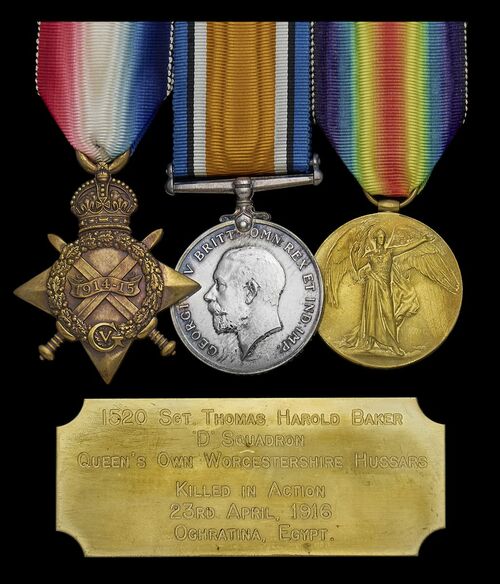
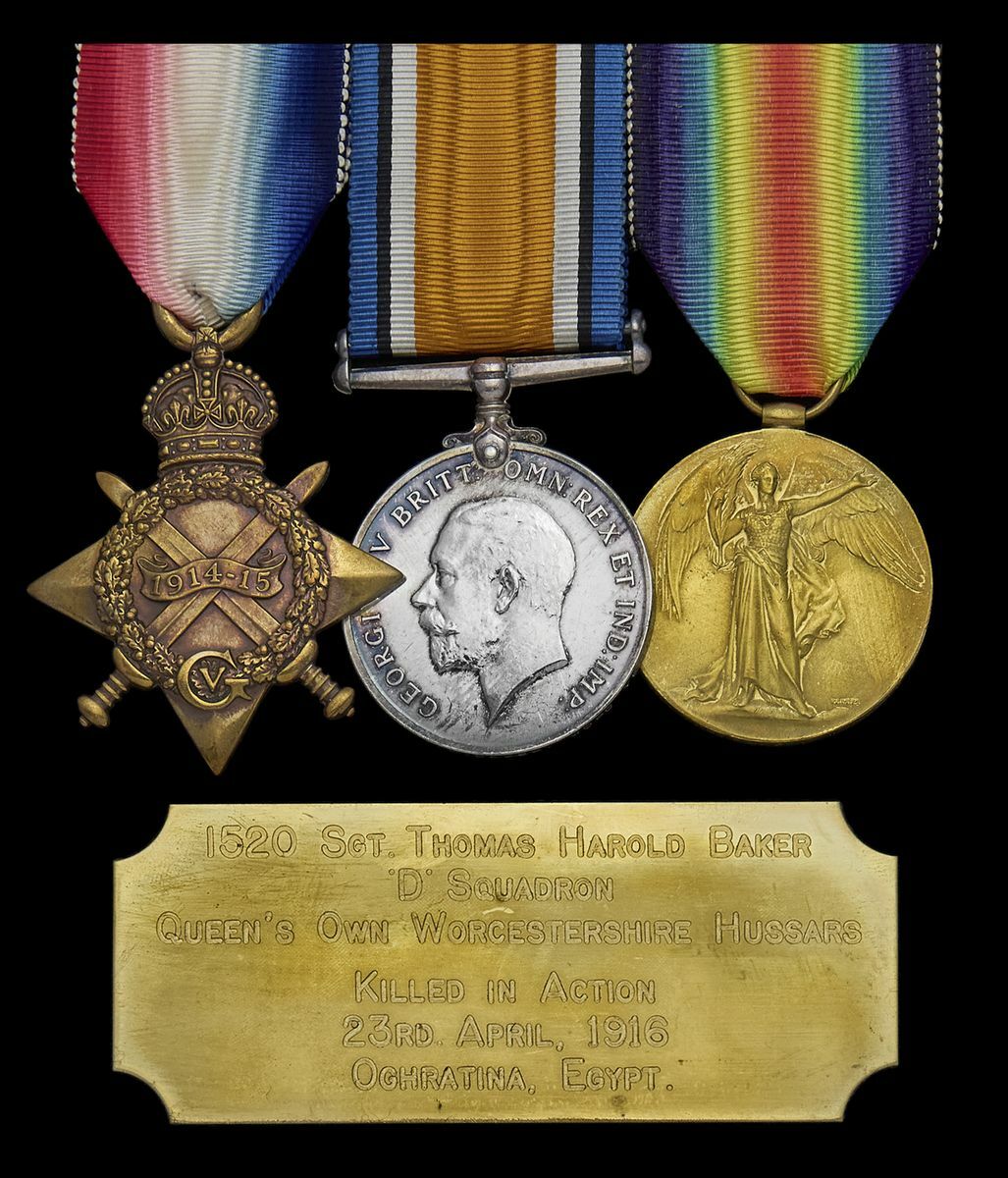
A Great War casualty group of three awarded to Sergeant T. H. Baker, Worcestershire Yeomanry, who was killed in action on 23 April 1916 at Qatia
1914-15 Star (1520 Cpl. T. H. Baker. Worc. Yeo.); British War and Victory Medals (1520 Sjt. T. H. Baker. Worc. Yeo.), good very fine (3)
Thomas Harold Baker was born in the last quarter of 1887, with his birth being registered in Aston, Birmingham. The son of Thomas and Mary Baker who, at the time he was killed in action, were living at 289 Gillott Road, Edgbaston, Birmingham (it would appear that Mary sadly died in early 1889 at the age of 27). In December 1898, he was admitted to the Kind Edward VI Grammar School in Aston, obviously being quite a bright young man.
At some point prior to the outbreak of the First World War, Baker volunteered and attested into the Worcestershire Yeomanry where he was given service number 1520. When the Yeomanry were mobilised and entered the War, he had attained the rank of Corporal. Baker served with them throughout the Gallipoli campaign, arriving in Egypt on 20 April 1915. By November 1915, the Regiment had moved into the Egypt campaign.
Initially, the Regiment's stay in Egypt consisted of training and inspections in the vicinity of the Pyramids. In the early part of 1916, the Regiment was split into its Squadrons for separate deployments and reconnaissance operations around Kantara and Qatia. On 1 April 1916, the Regiment arrived in Qatia as a whole, Qatia being an extreme outpost of the Suez Canal defences. One of the main strategic objectives at this time was for the Allied forces to deny the Turks water, which was contained in a series of wells in the area, plus to explore the surroundings where new wells could be excavated in order to supply increased troops and animals moving into the area.
On 9 April, troops exploring some outlying areas around Qatia came up against about 100 Turkish soldiers and a skirmish ensued. The position at Oghratina, some 5 miles east of Qatia, consisted of a hill the shape of a pointed horseshoe, with the open end of the horseshoe being a slope. On 21 April, a party of 50 Royal Engineers protected by "D" Squadron of the Worcester Yeomanry were posted to the position in order to sink wells and find new water. The following day they were joined by "A" Squadron, plus Regimental HQ. Whilst the Engineers set about their task, the Yeomanry began to dig trenches and prepare defensive positions.
At day break on Sunday 23 April (Easter Sunday), a thick fog enveloped the area. Three mounted patrols had been sent out from Oghratina, one of them failed to return and was not seen again, while the other two patrols reported all clear. The outpost was standing to and one post reported that a party of camels and a few men could just be seen at the wells at Hod-es-Sariri - a short distance to the south-west. Lieutenant Ward was sent to find out what this party consisted of and discovered that they were enemy Camel Corps. Two Troops of Yeomanry were sent out to capture the enemy party, but before they could intercept them the enemy had moved north, but appear to have come into contact with part of the camp's perimeter positions as they were fired upon by these troops. Unknown to the small detachment of Yeomanry, a large body of Turkish infantry (later found to be an overwhelming force of 3000 men and a machine gun company of 12 guns) were travelling north and heard the gun fire at Oghratina, alerting them to the fact that an enemy position had been established there of which they had been previously unaware. The Turks immediately launched an attack against the tiny outpost. The first attack was repulsed by the Yeomanry, and at 4.30 am a telephone call was made to Qatia by Major Williams-Thomas that the enemy had withdrawn, as initially heavy casualties were inflicted by the Yeomanry. At 5.20 am, the Turks began their main attack with heavily increased numbers, forcing the Yeomanry back into an ever decreasing semi-circle into the entrance of the horseshoe shaped hill. At 7.30 am it was all over, as the Turks rushed the remaining men from all sides and made the survivors prisoners.
The two Yeomanry Squadrons could have escaped from the hill at Oghratina on their horses, but this would have left the small party of Engineers alone. Major Williams-Thomas and Captain Cheape of the Worcester Yeomanry were given orders to protect their Royal Engineers colleagues and bravely decided to follow those orders and not abandon them.
The Turks then moved on to Qatia and were confronted by the remainder of the defending Worcestershire Yeomanry, plus the Gloucestershire and Warwickshire Yeomanry, but such was the magnitude of the attack that the hard pressed Yeomanry were forced to retire and leave Qatia to the Turks. Qatia and Oghratina was the biggest single defeat in the history of the Worcestershire Yeomanry, costing the lives of nine Officers and 86 men, with a further three Officers and 27 men wounded. This single day accounted for 38% of their total casualties in WW1 and 69% of the total amount of K.I.A. and D.O.W. over the same period.
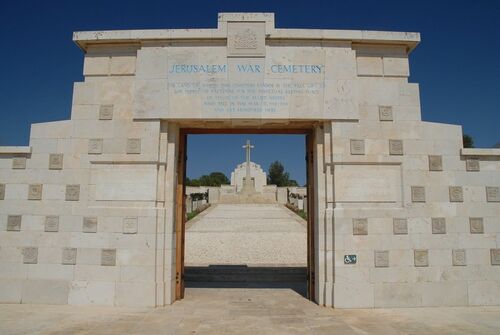
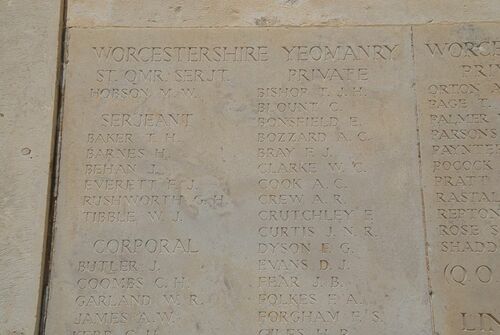
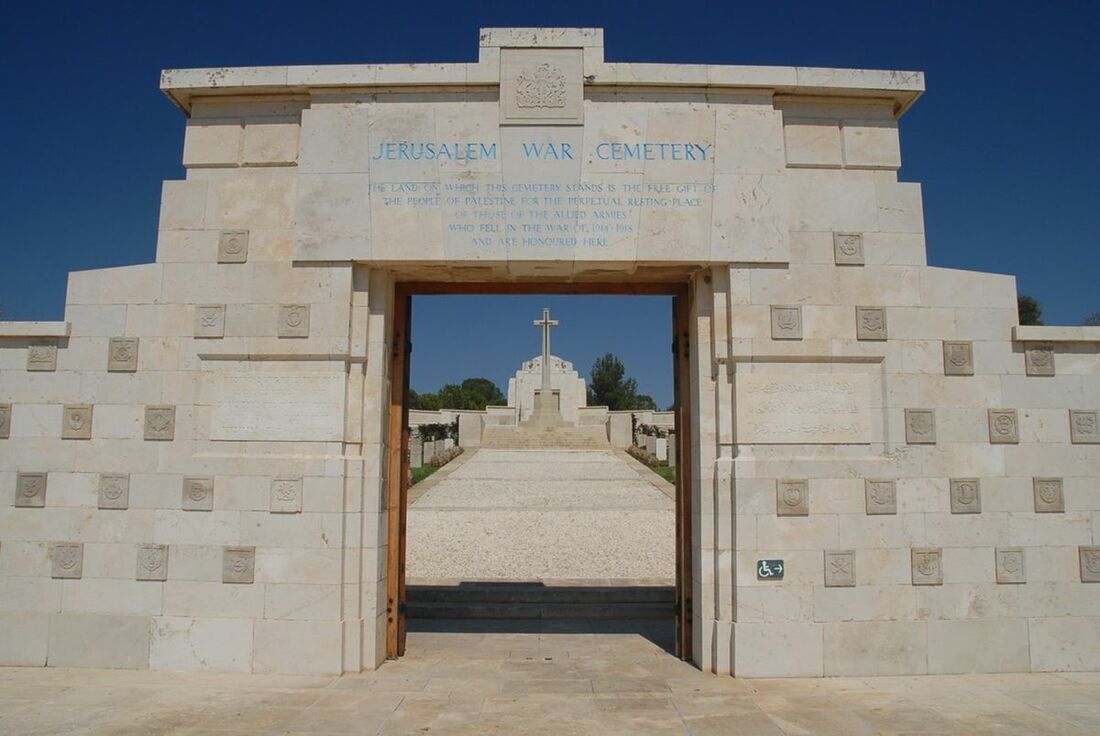
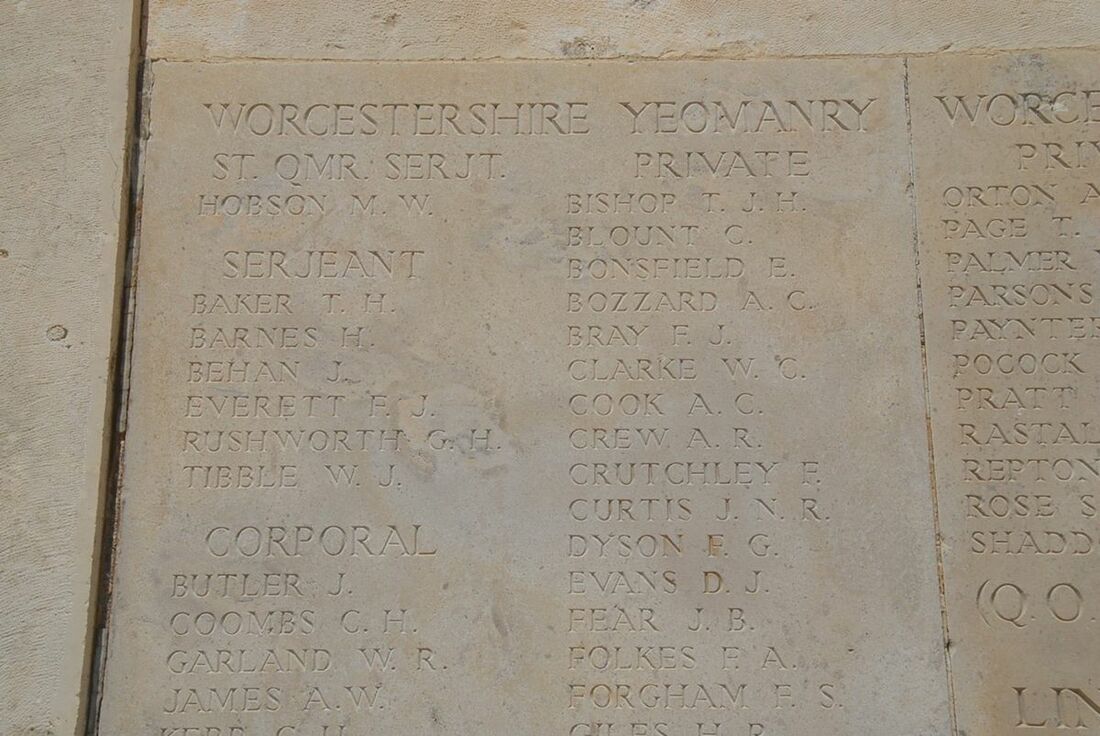
Sergeant Thomas Baker was one of those killed during the brave defence of Oghratina and he has no known grave. He is remembered at the Jerusalem War Cemetery and King Edward VI Grammar School, Aston, Birmingham.
Subject to 20% VAT on Buyer’s Premium. For more information please view Terms and Conditions for Buyers.
Sold for
£270
Starting price
£250
Watch, listen and bid as if you were in the room. Now available for auctions worldwide.
Click here to bid live
An exclusive and confidential service for the discerning collector or vendor.
View the Gallery
Download every Spink catalogue on your iPad, iPod or iPhone using free Spink app.
Download From iTunes© 2026 Spink & Son. All rights reserved.