
Auction: 24111 - Orders, Decorations and Medals - e-Auction
Lot: 497
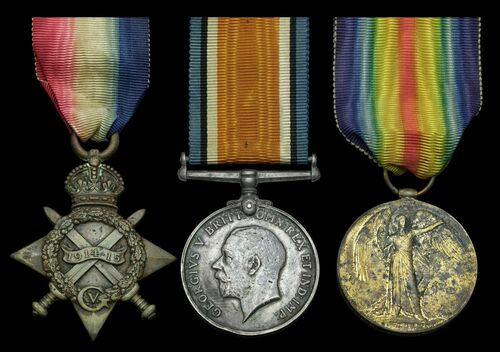
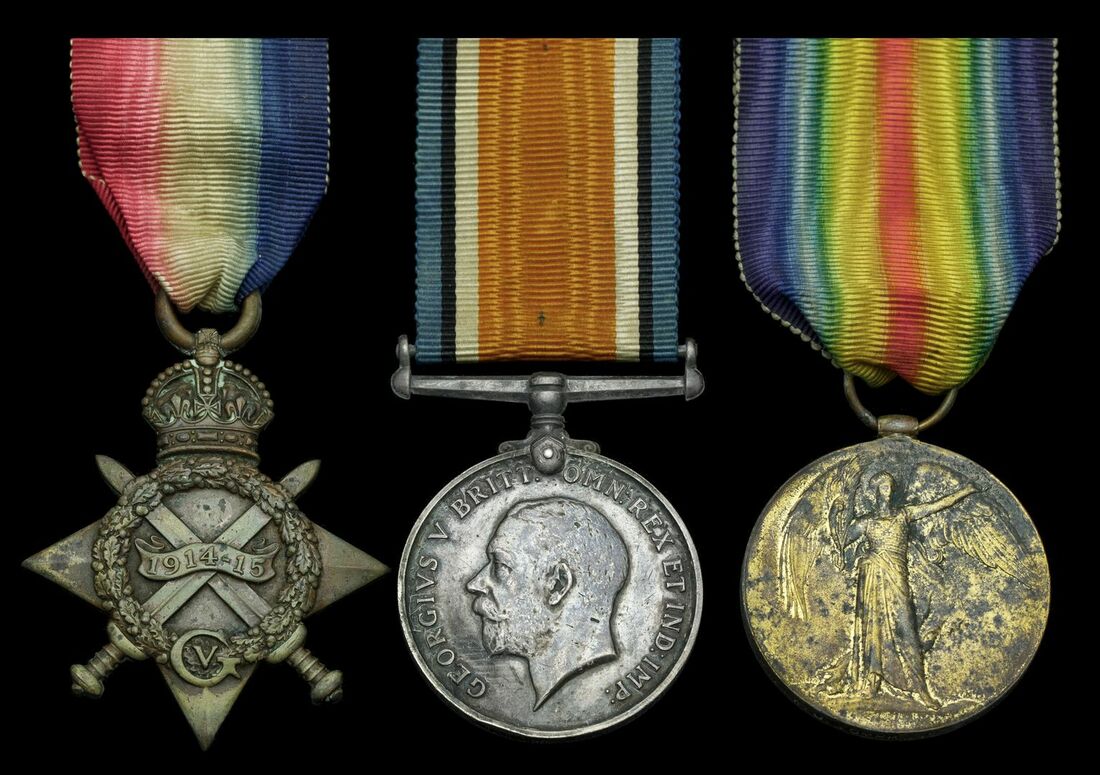
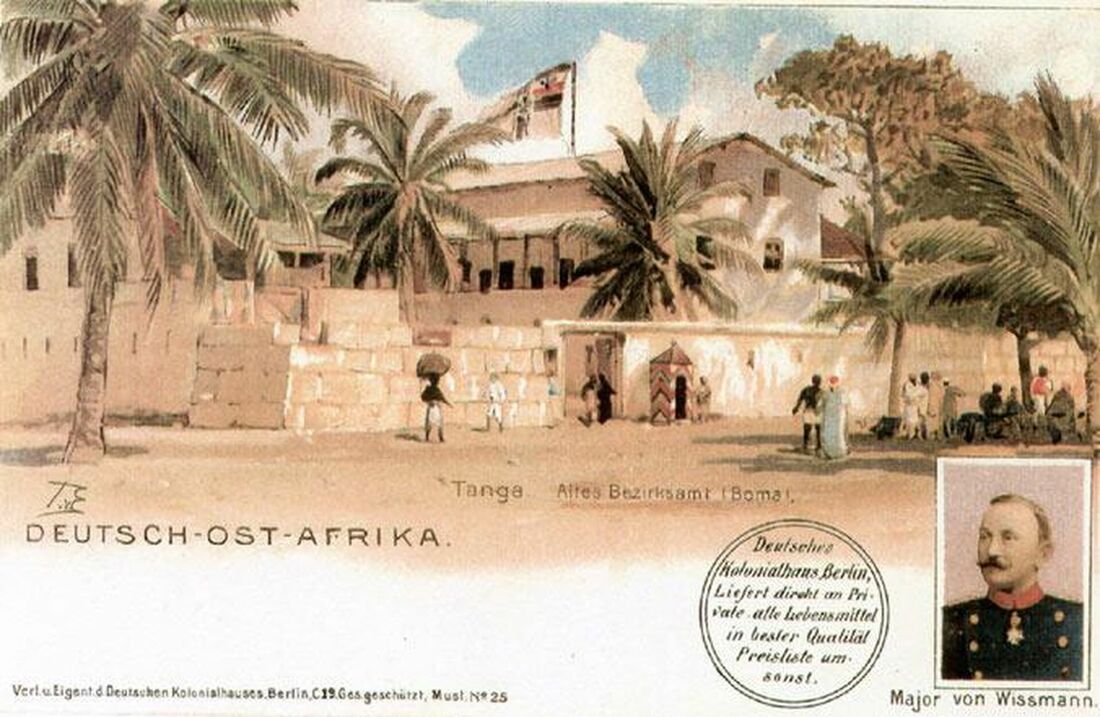
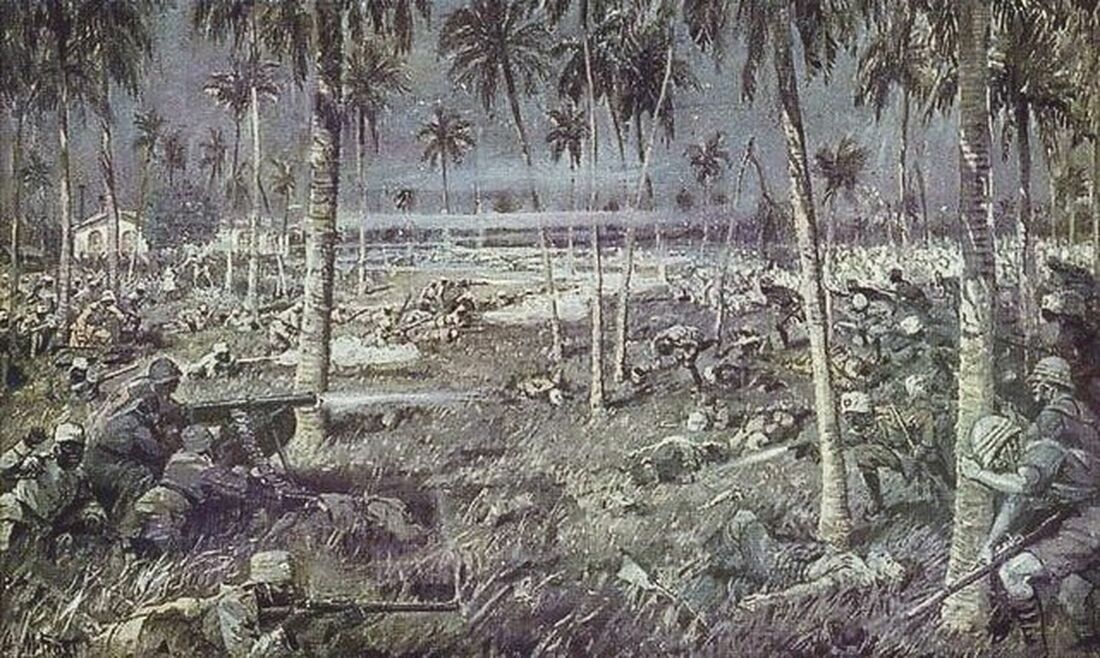
Three: Private W. J. Tompkins, 2nd Battalion, Loyal North Lancashire Regiment, who shared in the Battle of Tanga - 'Battle of the Bees' - on 4 November 1914, the only British Infantry unit to serve in East Africa during the Great War
1914-15 Star (9885 Pte. W. J. Tompkins. L. N. Lancs. R.); British War and Victory Medals (9885 Pte. W. J. Tompkins. L. N. Lan. R.), very fine (3)
William J. Tompkins enlisted in the Loyal North Lancashire Regiment on 1 January 1910 and was a Regular, serving with the 2nd Battalion before the outbreak of the Great War. He is confirmed as having landed in East Africa (MIC code '5a') on 4 November 1914.
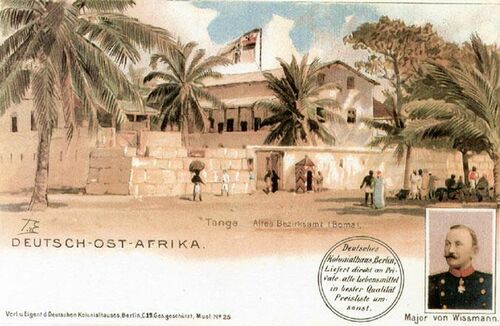
The 2nd Battalion, Loyal North Lancashire Regiment was the only British infantry Battalion to serve in East Africa during the Great War. On 2 November 1914 H.M.S. Fox went into Tanga early in the morning to break the truce which had been previously in existence, and demand surrender, which latter was refused. As a result of this, later that evening and early the next morning a landing was effected, with the Loyal North Lancashire Regiment, 61st Pioneers and 13th Rajput’s all making their way to the shore. They were met with only a desultory sniper fire, and no casualties occurred. At about 4:00 a.m. on 3 November four companies of the 13th Rajputs were sent towards Tanga to occupy the town and clear up the situation. In the event they did not make it as far as the town, as they met a fierce resistance and suffered heavy casualties whilst retreating.
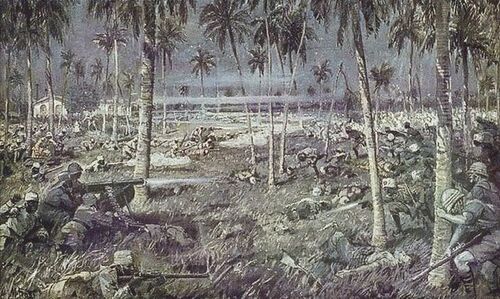
On the following day, 4 November 1914, the order was given for an all out attack on Tanga. The Loyal North Lancs along with their Indian counterparts advanced towards the town over difficult terrain, encountering little resistance. It was not until they reached some huts near the railway on the outskirts of town that suddenly a strong opposition was encountered. Here they were met with a hail of rifle and machine-gun fire and as a result suffered many casualties. After a confused close quarters pitched battle, they were forced to accept the inevitable, and the order was given to withdraw. The enemy made no attempt to follow up their success, allowing them to retreat to the trenches near the sea, where they were picked up by H.M.S. Fox, thus ended the attack on Tanga. The next morning the wounded were embarked under a flag of truce, and that evening the transports left Tanga Bay. The 98th Infantry were attacked by swarms of angry bees and broke up. The bees attacked the Germans as well, hence the battle's nickname.
Tompkins was discharged sick, with a Silver War Badge, in April 1919. At some point, he Deserted but eventually returned to his post.
Subject to 20% VAT on Buyer’s Premium. For more information please view Terms and Conditions for Buyers.
Sold for
£95
Starting price
£70

Watch, listen and bid as if you were in the room. Now available for auctions worldwide.
Click here to bid live
An exclusive and confidential service for the discerning collector or vendor.
View the Gallery
Download every Spink catalogue on your iPad, iPod or iPhone using free Spink app.
Download From iTunes© 2026 Spink & Son. All rights reserved.