Auction: 26002 - Orders, Decorations and Medals
Lot: 229
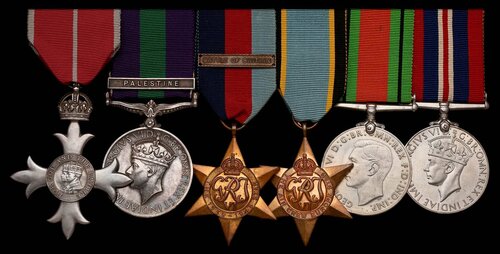
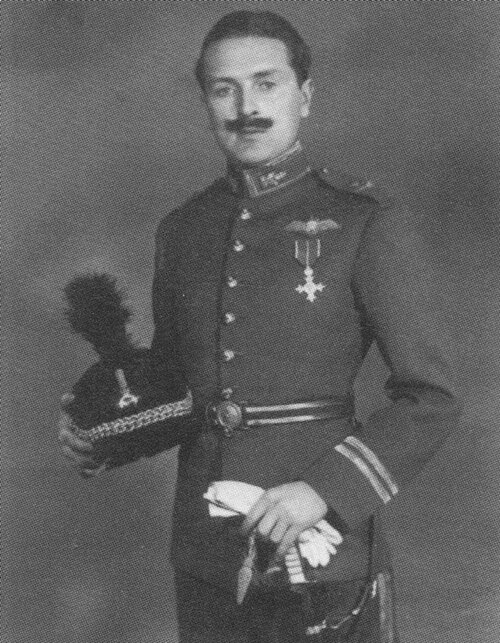
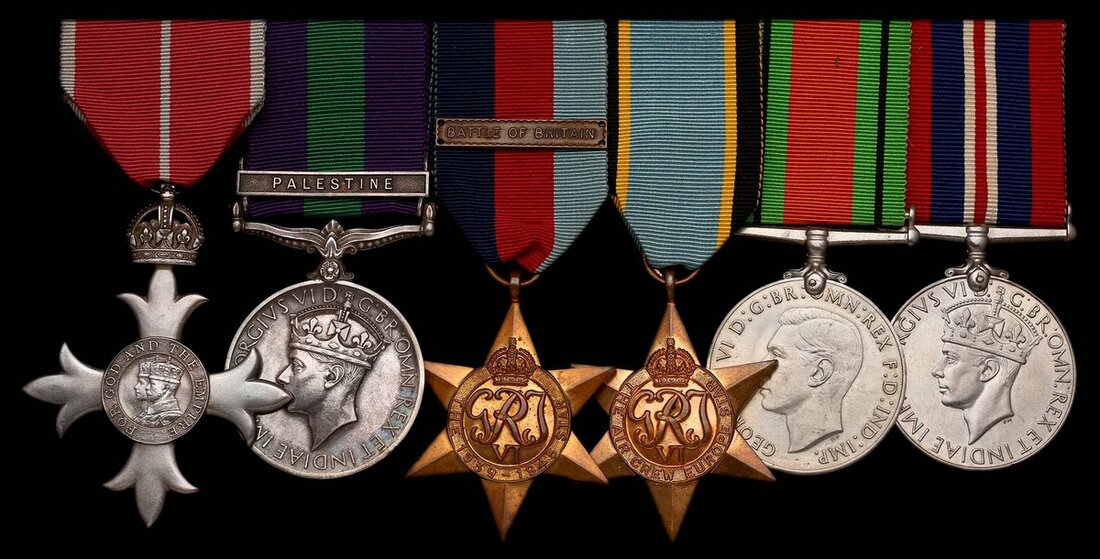
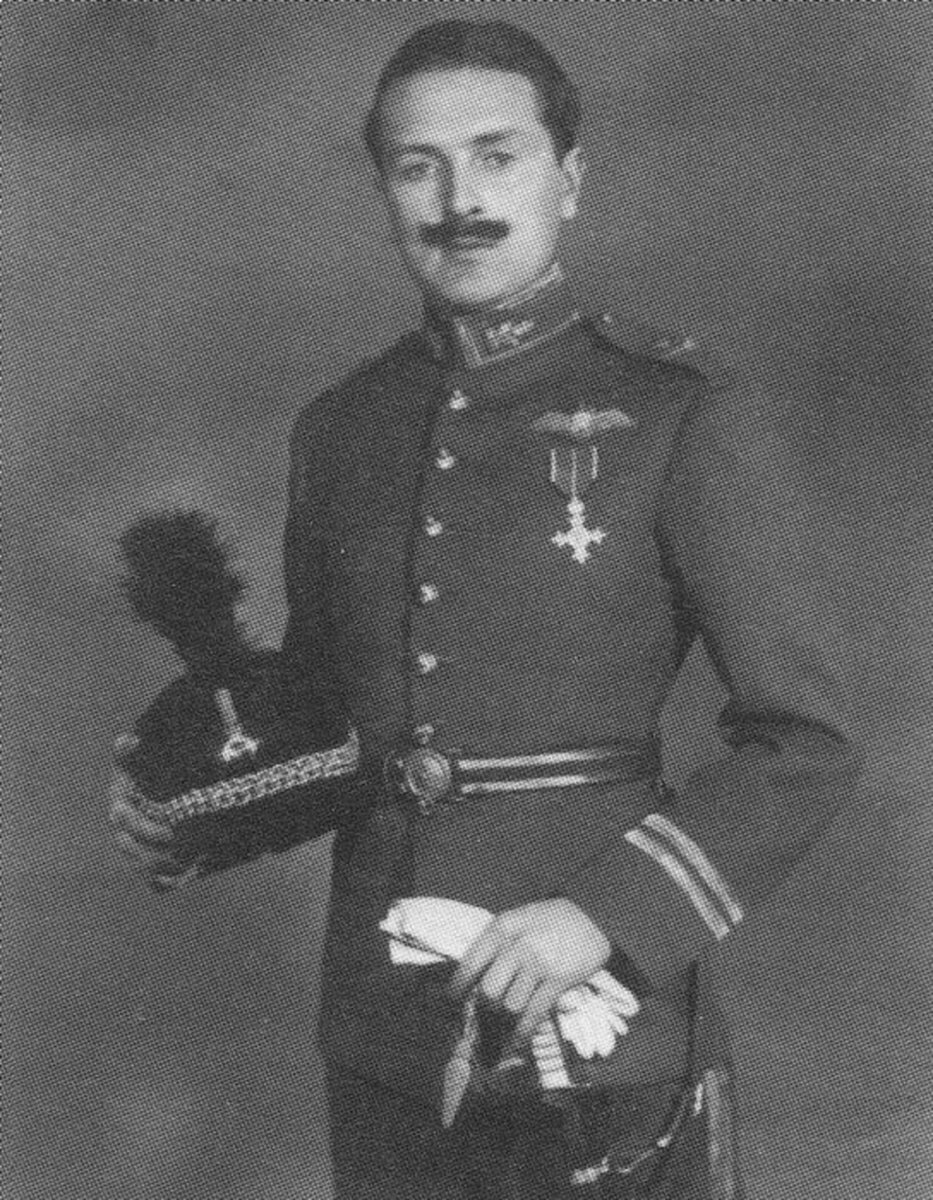
A Palestine 1936 M.B.E. group of six awarded to Squadron Leader R. E. Barnett, Royal Air Force, who flew Spitfires and commanded No. 234 Squadron during the Battle of Britain
The Most Excellent Order of the British Empire, Military Division, Member's (M.B.E.) breast Badge, silver; General Service 1918-62, 1 clasp, Palestine (F/L. R. E. Barnett. R.A.F.); 1939-45 Star, copy clasp, Battle of Britain; Air Crew Europe Star; Defence and War Medals 1939-45, good very fine (6)
14 Old Cheltonians recorded as 'The Few' who flew in the Battle of Britain.
M.B.E. London Gazette 11 May 1937 (Palestine).
Richard Edgar Barnett was born on 8 October 1911 at Christchurch, then in Hampshire. Educated at Cheltenham College, he went off to Cranwell as a Flight Cadet in January 1930. Commissioned in December 1931, he thence joined No. 54 Squadron at Hornchurch soon after.
Joining No. 6 Squadron in Egypt in November 1932, he went to the R.A.F. Depot at Aboukir in July 1935. Having shared in the operations over the skies of Palestine from April to October 1936, his M.B.E. would follow in the Coronation Honours the following year. Returning home, he was next posted to the Aeroplane and Armament Experimental Establishment at Martlesham in August 1938 and probably undertook work as a Test Pilot whilst there.
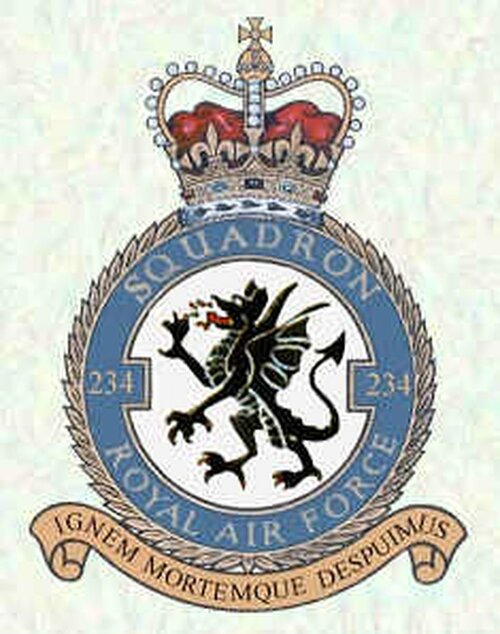
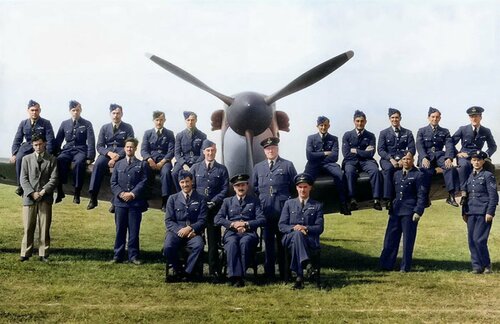
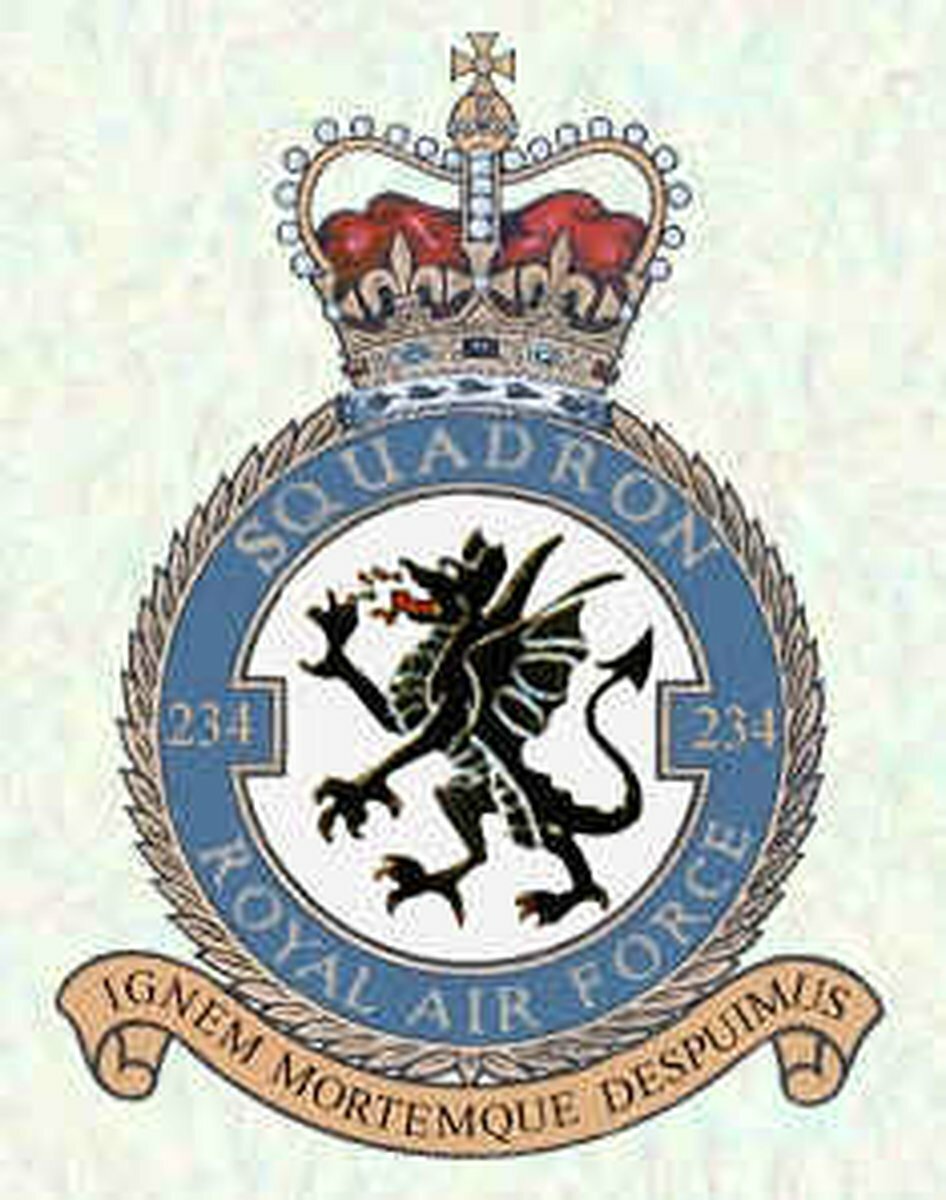
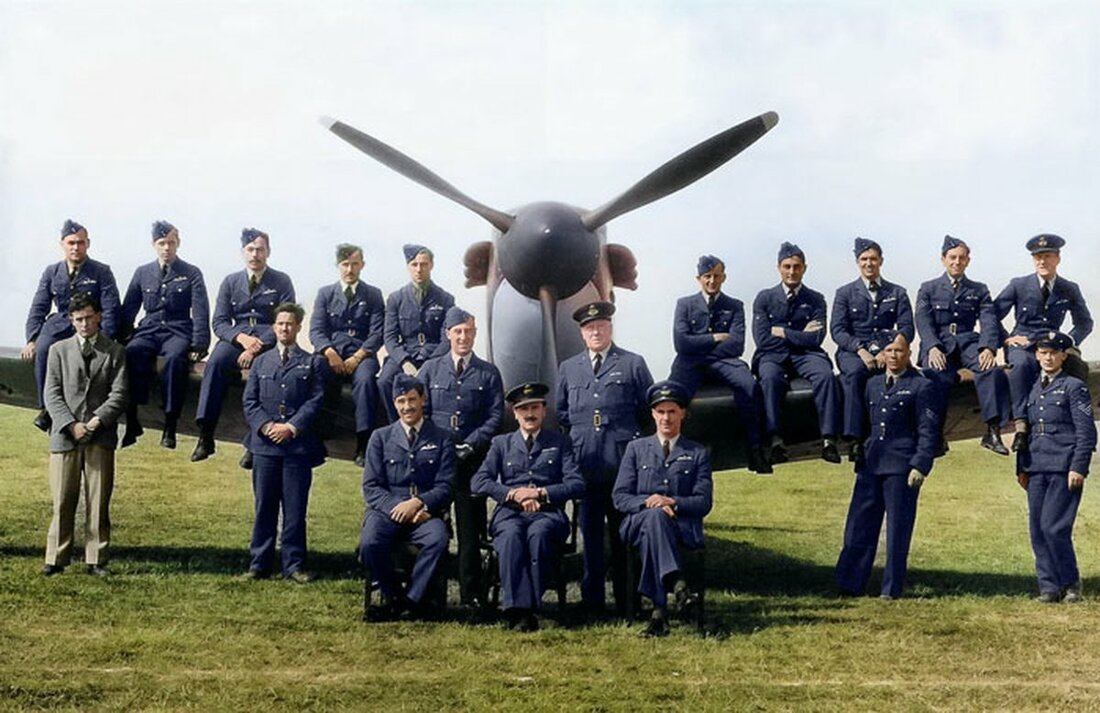
With the outbreak of the Second World War looming, Barnett was raised Squadron Leader in June 1939. When the C.O. of the re-formed No. 234 Squadron was badly injured in a car accident in early November 1939, Barnett took command. It was a posting that would see him at the helm during the Battle of Britain. At that time the Squadron was operating a variety of aircraft but would have solely Spitfires in the Battle of Britain. It would be fitting for their motto was Ignem mortemque despuimus (We spit fire and death). Based out of St Eval, on the opening of the Battle itself, they could count 9 combat ready aircraft (6 not fit) and 21 Pilots ready for action, including Poles, Kiwis and Australians. One of those was the famous Pilot 'Bob' Doe, who took a D.S.O. and two D.F.C.s and scored 14 kills and 2 shared during the Battle.
On 7 July they opened their score with a Ju88 damaged and another shot down over a convoy. On that day Barnett flew P-9466 on the patrol from 1530-1730hrs, over the Scilly Islands, Plymouth and Falmouth areas, swapping into P-9366 at some point. The following day they scored another, their C.O. went out on patrol himself in trusty P-9466 from 2125-2155hrs and also on the next day from 1840-2010hrs from Land's End up to Weston-Super-Mare. The unit chalked up a third kill in early August. Barnett held firm in his command for over a month, before an interview with the A.O.C. of 10 Group on 12 August 1940. He relinquished his command the next day - with tensions of his style of leadership noted in several publications - and joined No. 111 Squadron at Dyce as a supernumerary Squadron Leader. He resigned his commission in August 1941 and left the Royal Air Force.
Clearly keen to continue to serve, Barnett was next commissioned 2nd Lieutenant into the Army in October 1943. He joined the 11th Hussars (Prince Albert's Own) and was advanced Captain, being released in 1946. Spending some time in Kenya, apparently taking a position in the Police Force, he returned home and became a driving instructor in London. He died on 25 July 1971 at the Royal Marsden Hospital, London.
With thanks to Simon Muggleton for accessing the relevant Squadron ORBs for the Battle of Britain period.
Subject to 20% VAT on Buyer’s Premium. For more information please view Terms and Conditions for Buyers.
Estimate
£1,400 to £1,800
Starting price
£1100
Watch, listen and bid as if you were in the room. Now available for auctions worldwide.
Click here to bid live
An exclusive and confidential service for the discerning collector or vendor.
View the Gallery
Download every Spink catalogue on your iPad, iPod or iPhone using free Spink app.
Download From iTunes© 2026 Spink & Son. All rights reserved.