Auction: 26002 - Orders, Decorations and Medals
Lot: 187
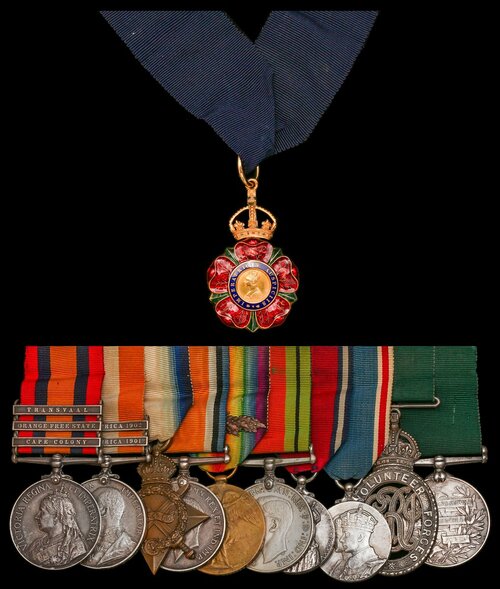
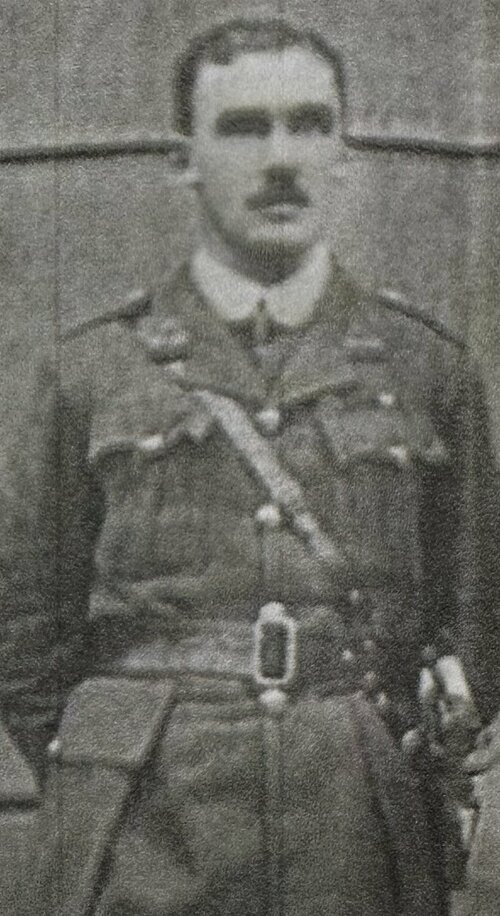
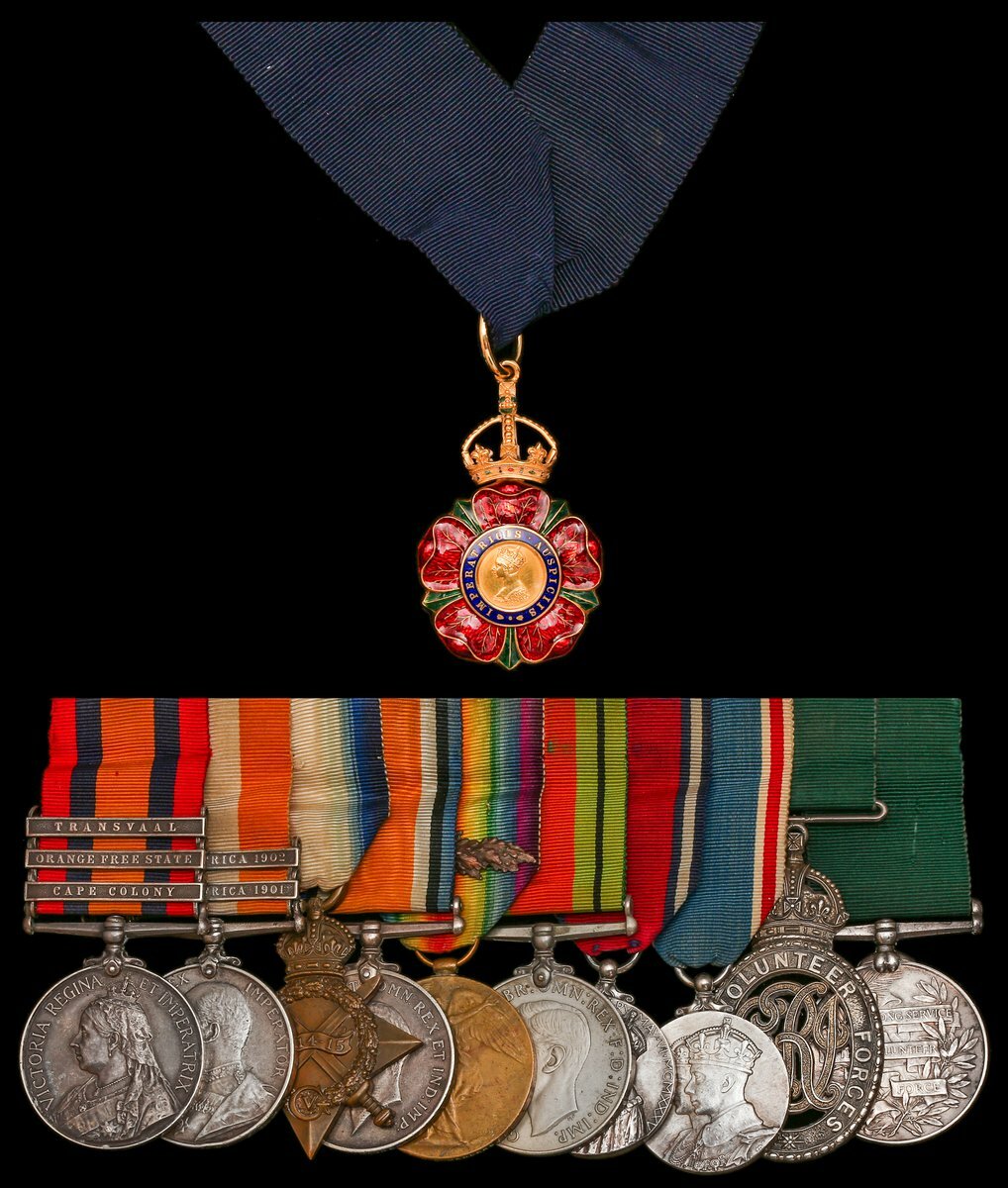
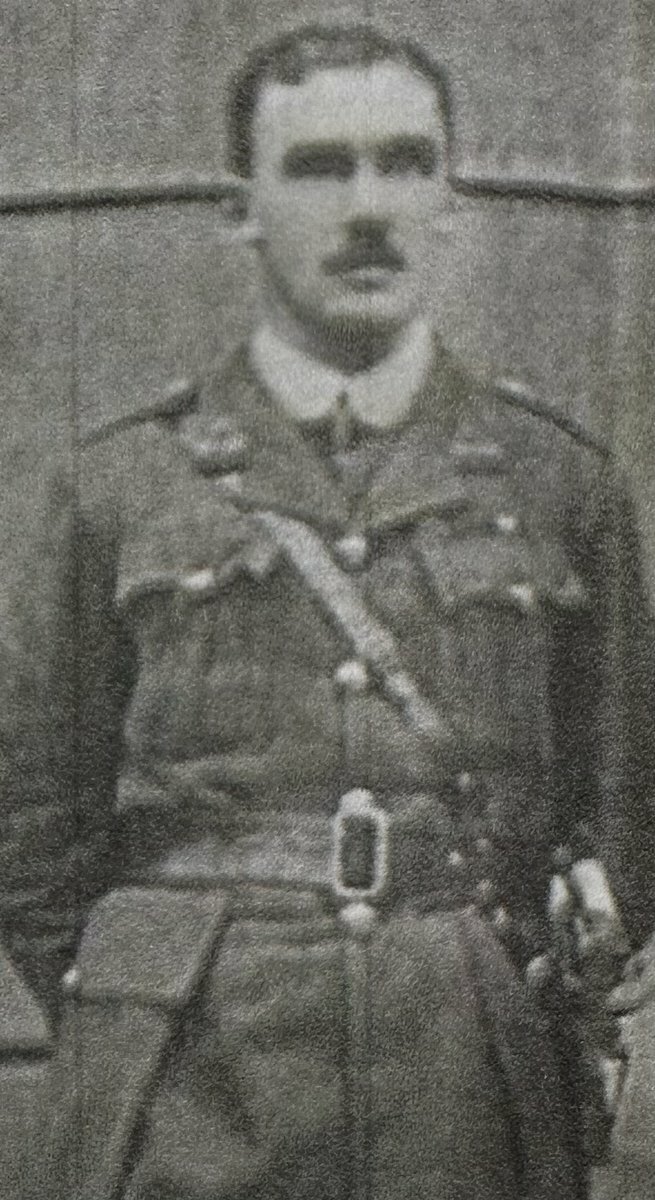
A fine inter-War C.I.E. group of eleven awarded to Colonel H. C. Manders, Royal Berkshire Regiment, late Imperial Yeomanry, later Assam Valley Light Horse
Having been wounded in action in Gallipoli with the 2nd Battalion, Hampshire Regiment, at Sari Bair in August 1915 and 'mentioned' for his services, he forged a long career in India serving as Aide-de-Camp to H.E. The Viceroy and was Colonel Commanding the Assam Valley Light Horse
The Most Eminent Order of the Indian Empire, C.I.E., Companion’s neck Badge, 3rd Type, gold and enamel; Queen’s South Africa 1899-1902, 3 clasps, Cape Colony, Orange Free State, Transvaal (Lieut. H. C. Manders. 59/Co. Imp. Yeo.); King’s South Africa 1901-02, 2 clasps, South Africa 1901, South Africa 1902 (Lt: H. C. Manders. I.Y.); 1914-15 Star (Lieut. H. C. Manders. R. Berks. R.); British War and Victory Medals, with M.I.D. oak leaves (Capt. H. C. Manders.); Defence Medal 1939-45; Jubilee 1935; Coronation 1937; Indian Volunteer Forces Officers’ Decoration, G.V.R. (Major H. C. Manders, Assam V.L.H. A.F.I.); Volunteer Force Long Service Medal (India & the Colonies), G.V.R. (Sergt. H. C. Manders. 6th. Assam Valley Lt. Horse. I.D.F.), mounted as worn, contact marks, edge bruises, generally very fine (11)
C.I.E. London Gazette 1 January 1937.
M.I.D. London Gazette 5 November 1915.
Horace Craigie Manders was born at York Town, Frimley, Surrey in October 1882 and was educated at Epsom College. He attested as a Private for the 78th Company (Rough Riders), Imperial Yeomanry on 14 March 1900 for service during the Second Boer War. Commissioned as a Lieutenant into the 59th Company (Oxfordshire Hussars), Imperial Yeomanry on 9 December 1900, he was invalided home in May 1901. However, he returned to South Africa three months later, remaining there until the end of hostilities.
Manders subsequently moved to Assam, India to work as a tea planter, and there attested for the Assam Valley Light Horse, Indian Defence Force. At the outbreak of the Great War, he returned home and was commissioned into the 9th Battalion, Royal Berkshire Regiment. He served at Gallipoli from May 1915 where he injured his back. Having recovered, he was thence attached to the 2nd Battalion, Hampshire Regiment from 1 June 1915 serving on Cape Helles. Manders was to be wounded during the assualt on Sari Bair on 6 August 1915 by a shell explosion and was evacuated and returned home for treatment at Mrs Tal's Hospital, Upper Grosvenor Street. Futhermore, he had contracted malaria before coming home and took a 'mention' for his troubles.
Later transferred to the 11th King Edward’s Own Lancers, Indian Army in 1918, he was released in October 1919 with the rank of Major. Post War, Manders later served as Colonel Commanding the Assam Valley Light Horse and was appointed A.D.C. to H.E. The Viceroy of India, being appointed a Companion of the Order of the Indian Empire. His I.V.D. was awarded in July 1924.
Returned to England after becoming a widower for the second time, by 1939 Manders was living at Alton and served as an A.R.P. Warden. For some time he lived at 19 Ranelagh Avenue, Barnes and died at St. Stephen's Hospital in Chelsea on 11 November 1963.
Subject to 20% VAT on Buyer’s Premium. For more information please view Terms and Conditions for Buyers.
Estimate
£2,000 to £3,000
Starting price
£1600
Watch, listen and bid as if you were in the room. Now available for auctions worldwide.
Click here to bid live
An exclusive and confidential service for the discerning collector or vendor.
View the Gallery
Download every Spink catalogue on your iPad, iPod or iPhone using free Spink app.
Download From iTunes© 2026 Spink & Son. All rights reserved.