Auction: 25112 - Orders, Decorations and Medals - e-Auction
Lot: 284
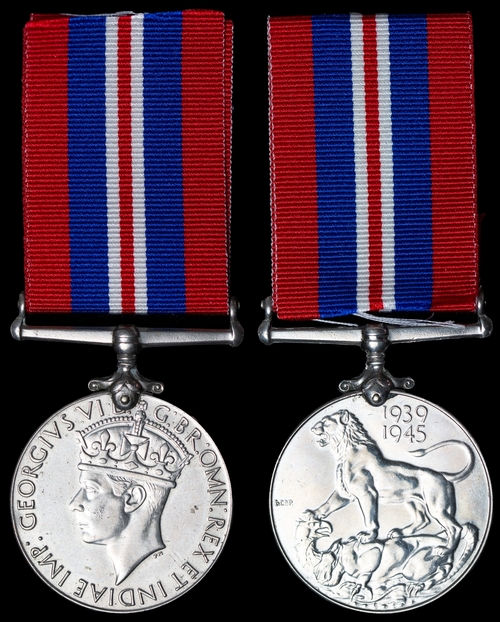
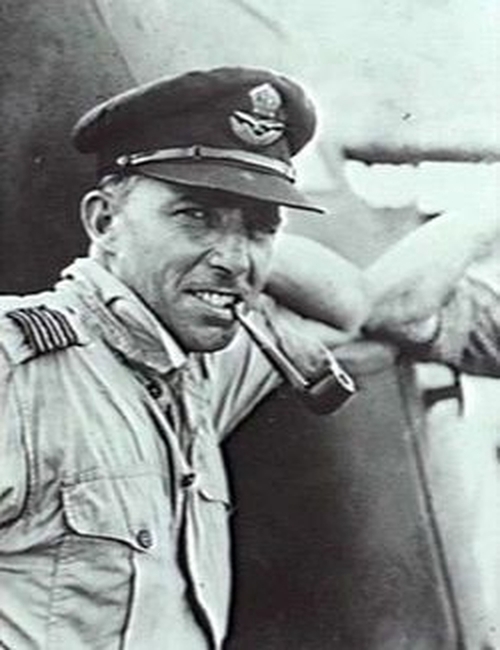
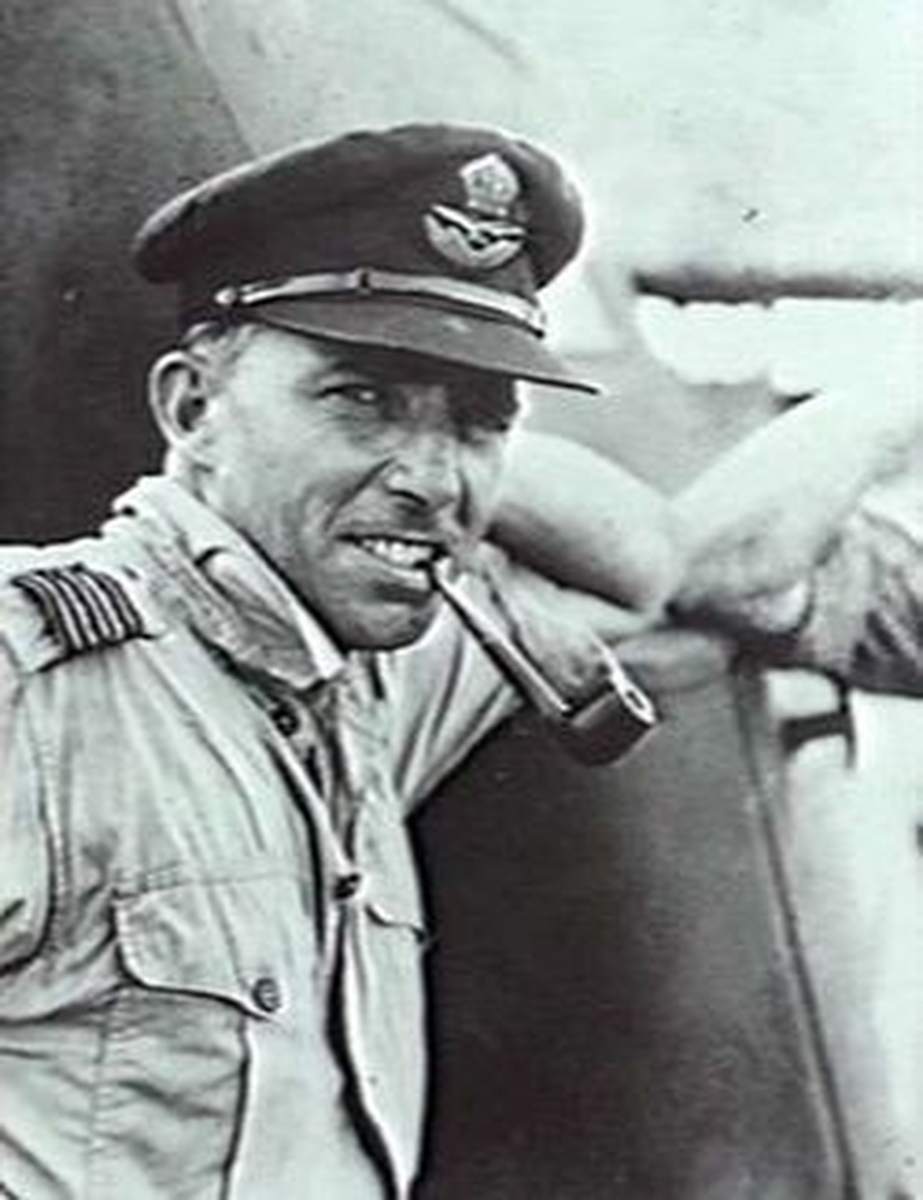
(x) The War Medal awarded to Wing Commander C.P. Glasscock D.F.C., Commanding Officer 30 Squadron, Royal Australian Air Force who was decorated for operations at Trobriand, Woodlark Islands, Salamaus and Lae in 1943
He was killed in action on 19 September 1943 when the Beaufighter he was flying was hit by Japanese Ack-Ack fire on a strafing mission around Cape Hoskins, New Britain
War Medal 1939-45 (260092 Glasscock C.P.), very fine
D.F.C. London Gazette 1 August 1944, the official citations states:
'Wing Commander Glasscock was appointed to command No 30 L.R./F. Squadron on the 30th June 1943, at a time when the unit was moving to a new locations and also when many new crews had been posted to the squadron. He accepted these added responsibilities willingly and cheerfully, and by his outstanding personality and leadership succeeded in a very short time in moulding his crews into an excellent squadron.
Throughout the month of July he personally participated in many successful convoy protection operations connected with the Allied occupation of the Trobriand and Woodlark islands. His untiring enthusiasm proved a source of inspiration to his unit, which was operating under most trying conditions.
During the operations at Salamaus and Lae in August and September, his unit was allocated the task of intercepting enemy barge traffic along the North and South coasts of New Britain. Although the barges were sheltering under cover of heavily defended positions, he led his squadron in many determined attacks which achieved marked success.
By his courage, his exemplary qualities of leadership and his untiring devotion to duty Wing Commander Glasscock has at all times upheld the highest traditions of the service.'
Clarence 'Clarrie' Parsons Glasscock was born at Goulburn, New South Wales on 3 February 1912, the son of Clarence Thomas Brown Glasscock and Eliza (Lyla) Parsons.
Educated at Sydney Grammar School, he enlisted in the R.A.A.F. in December 1932 before gaining a commission in April 1933.
From April 1936 to April 1940, he was posted to No 22 Squadron where he flew initially Hawker Demons before transitioning to Wirraway aircraft at the start of the war. Between April 1940 and April 1941, he was posted to No 12 Squadron based at Darwin flying Wirraway aircraft. During 1942 he completed various staff postings before being posted to No 5 Operational Training Unit at Wagga from April to June 1943 where he converted to the Bristol Beaufighter.
On 20 June 1943, Wing Commander Clarrie Glasscock arrived at Port Moresby assuming command of No 30 Squadron to fly the Beaufighter in the New Guinea campaign on strike missions. Eight days later, he moved the squadron to Milne Bay where it was based for a month before again moving it to Goodenough Island. During this period, the unit was largely tasked with attacking Japanese airfields and supply vessels that were moving moved along the coast between Madang and Nassau Bay and conducting escorts for Allied shipping in the area.
Having led the squadron for only three months, he was awarded the Distinguished Flying Cross for his courage and leadership in moulding a successful squadron of young crews in only a short time and personally leading the squadron in combat in many successful convoy protection operations connected with the allied occupation of the Trobriand and Woodlark Islands.
Ditched his aircraft
On August 16, 1943, at 9:20am Bristol Beaufighter Mark VIc Serial Number A19-130 took off from Vivigani Airfield on Goodenough Island piloted by Wing Commander Clarence P. Glasscock on a check-out flight to test fuel consumption and orientation. While flying at 1,200', the right engine failed while crossing the west coast of Fergusson Island. Not being able to maintain altitude with a full war load, Glasscock decided to ditch into Hughes Bay.
After flying inland for a short period of time, this Beaufighter crossed the north coast of the Island at low altitude and prepared to ditch. Before landing, the forward escape hatch was jettisoned at 100' above the mouth of the Bunai River and power cut 20' above the sea on a downwind landing and successfully ditched.
All three crew members survived the ditching unhurt. The aircraft sank in about ten seconds. Their life raft dingy inflated automatically but was punctured by the tail as the aircraft nosed over before plummeting to the bottom. The raft was abandoned forcing the crew to swim to shore.
On 19 September 1943, Glasscock, teamed up with navigator, Flying Officer John Cain, on an early morning 8 ship strafing mission around Cape Hoskins. Encountering 3 barges near the Cape Hoskins Airfield, the formation engaged the barges receiving light ack-ack defensive fire. Glasscock communicated to other crews that he had been hit in his port petrol tank. A short while later he reported that his port engine was shaking violently and that he and his navigator were going to attempt to bail out. Moments later his aircraft was observed to go through low cloud and shortly after smoke was observed through trees where the aircraft had evidently crashed. No parachutes were observed. They were listed as missing in action.
Glasscock was heard to say over the radio to his observer, Cain: "Laddie, you better get over here in the cockpit, I've been hit."
The remains of the two airmen were recovered in 1945 and later buried at Lae War Cemetery.
Glasscock is repeatedly mentioned in the RAAF official history, 'Air War against Japan 1943-45' by George Rodgers; sold together with a substantial quantity of copied research.
Subject to 5% tax on Hammer Price in addition to 20% VAT on Buyer’s Premium.
Sold for
£70
Starting price
£70
Watch, listen and bid as if you were in the room. Now available for auctions worldwide.
Click here to bid live
An exclusive and confidential service for the discerning collector or vendor.
View the Gallery
Download every Spink catalogue on your iPad, iPod or iPhone using free Spink app.
Download From iTunes© 2026 Spink & Son. All rights reserved.