
Auction: 24112 - Orders, Decorations and Medals - e-Auction
Lot: 401
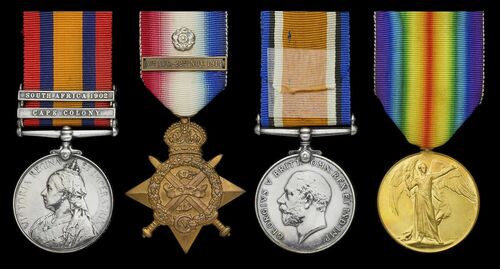
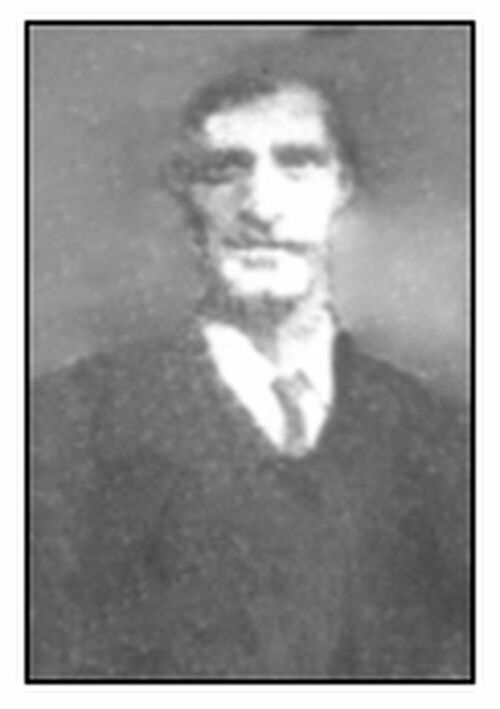
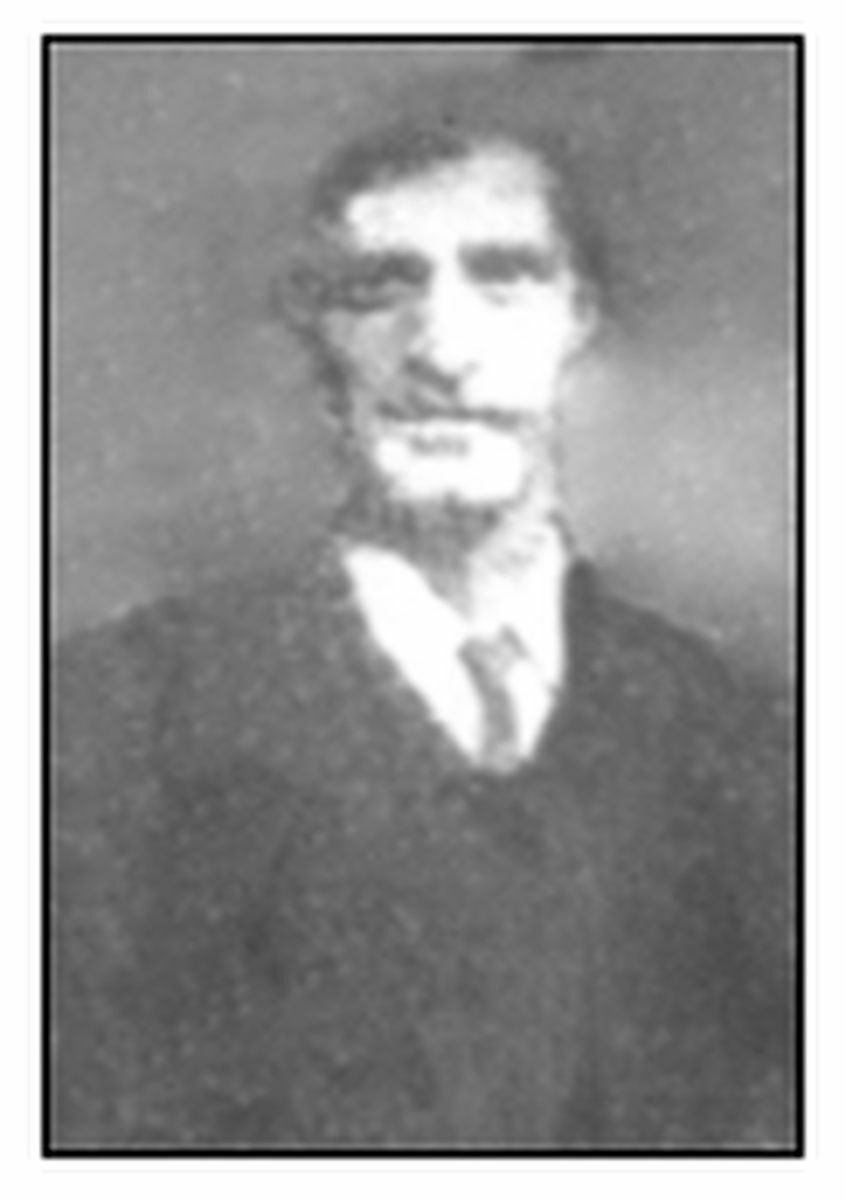
A Boer War and Great War casualty group of four awarded to Private W. Mobberley, Worcestershire Regiment, who suffered a gun shot wound to the chest on 16 November 1914 and was later killed by a sniper on 13 February 1915
Queen's South Africa 1899-1902, 2 clasps, Cape Colony, South Africa 1902 (5960 Pte W. Mobberley Worc: Regt); 1914 Star, clasp (7283 Pte W. Mobberley. 2/Worc: R.); British War and Victory Medals (7283 Pte. W. Mobberely. Worc. R.), very fine (4)
William Mobberley was born in Langley, West Bromwich circa July-September 1883 to Thomas Mobberley, an iron moulder, and Mary Ann. He was the youngest of three surviving sons, all born in West Bromwich.
Around 1890 the family moved to 5 Broad Street, Langley and were still there in 1911 at number 19. William was working as a file cutter's labourer in 1901, probably for the file maker Silas Round whose business was nearby in Titford Road.
At some point in 1901, Mobberley volunteered for service during the Boer War in South Africa and enlisted into the 6th (Militia) Battalion, Worcestershire Regiment. In 1900 the 4th (Militia) Battalion, originally known as the 2nd Battalion of the old Worcestershire Militia until 1881, was renumbered the 6th Battalion due to the fact that new 3rd and 4th Regular Battalions were raised for fighting in the Boer War.
On 18 December 1901, the men of the 6th Battalion embarked at Southampton on a troop ship and headed for the war in South Africa, disembarking at Cape Town on 18 January 1902. It performed mainly Block House duty in Cape Colony and was engaged in some minor skirmishes, resulting in 20 casualties of the unit. The Battalion returned to England in September 1902 and was disembodied at Worcester.
For his service during the Boer War, Mobberley was awarded the Queen's South Africa medal with clasps Cape Colony and South Africa 1902.
In 1908, Mobberley married Jane Truby at St John's in West Bromwich and they had one child, Doris May, in 1910. By 1911 they had moved to 12 Chapel Street, Lyng and he worked as a labourer in a brickyard.
Mobberley mobilised from the Reserve at the start of the Great War and went to France with the 2nd Battalion, Worcestershire Regiment on 12 August 1914. The 2nd Battalion was part of the 5th Brigade, 2nd Division and went immediately to Mons. They were involved in the long retreat to the Aisne in early September. By late October they were at the Battle of Langemark, just north east of Ypres, and on 31 October the five hundred or so remaining men of the battalion were called upon to plug a hole in the British Line, as it was feared that the Germans were in imminent danger of breaking through and reaching the Channel Ports, therefore cutting off and capturing the British Troops and, in all likelihood, winning the War.
The 2nd Worcestershire carried out a famous frontal attack in the form of a gallant bayonet charge under heavy shell and gun fire across the grounds of the chateau at Gheluvelt, joining remnants of the South Wales Borderers, who also took part in the attack, on the lawns of the chateau. This successfully plugged a potential gap in the British line and prevented a German breakthrough. The Battalion suffered heavily, losing about a third of their already depleted strength, with 187 casualties, included 31 killed. Mobberley is confirmed as having been one of those gallant 'chargers' present at Gheluvelt by the Worcestershire Regimental Museum.
After the battle the 2nd Worcesters were held in reserve for a few days, but on 8 November took over a section of the front line to the north-east of Polygon Wood. Here, the exhausted and depleted men were subjected to almost constant shelling, gun fire, an hand grenade attacks from German advanced sap trenches that were dug towards the British line.
On 16 November, Mobberley received a gunshot wound to the chest and miraculously had a lucky escape. The bullet passed within half an inch of his heart and had been deflected by a copy of the New Testament. He was evacuated to England and after leaving hospital, was given three weeks recuperation at home. He returned to France just before Christmas 1914, this time being posted to the 1st Battalion and went into the trenches again on New Years Day 1915.
The 1st Worcesters were occupying trenches facing Neuve Chappelle and at 11.15 pm on 1 January, the Germans launched a fierce bombardment against their position. No reply was made until just after midnight, when the British artillery responded. This barrage was supplemented by a newly devised experimental weapon - the Trench Mortar (named 'Archibald') - whose debut was entrusted to a specially selected group of men of the 1st Worcesters under their brave commander, 2nd Lieutenant E.B. Conybeare. It was to play a 'cheerful' part in the war of the trenches during that first winter and whilst it was not particularly influential in its effectiveness, its erratic behaviour and performance did provide a source of amusement and entertainment for the troops.
The Battalion continued to hold the frontline trenches in better cold, snow, rain and frost throughout January and February - the conditions were absolutely miserable. On Saturday, 13 February, Mobberley was in the front trench when he was killed by a sniper in a bizarre incident, described in a letter to Jane Mobberley by William's platoon commander (no. 9 Platoon, "C" Company), Lieutenant L.H. Ruck:
'I very much regret to have to inform you that your husband was killed in the section of trench of which I am in command at nine o'clock in the morning of the 13 February. He was looking through a periscope towards the German lines when a bullet came straight through the periscope and hit him in the head. Death was quite instantaneous. We buried him that night in the orchard behind the trench. My trench is only eighty yards from the Germans, so I am sorry to say that casualties are fairly frequent. Private Mobberley had not been with me very long, but I thought a lot of him as he was always willing and cheerful, and was a good soldier in every sense of the word.'
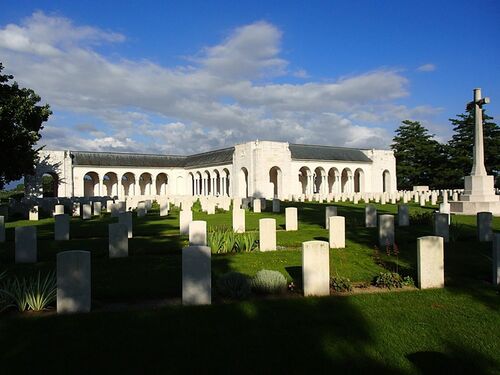
The location of the burial must have been lost in the subsequent fighting in the area, because William Mobberley is commemorated on the memorial at Le Touret, which bears the names of soldiers who died in that area with no known grave.
His effects, amounting to £3-18-6 were paid to Jane Mobberley and her child in July 1915, followed by a £5 war gratuity in 1919. An 'In Memoriam' was placed in the Weekly News of 15 February 1918 by his parents and his brothers, Sam and Jack, but with no reference to Jane.
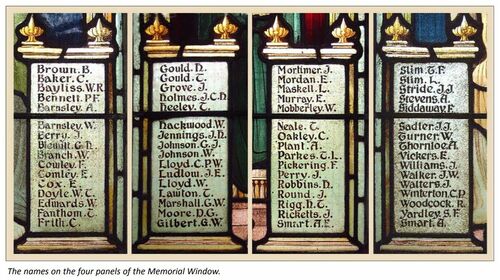
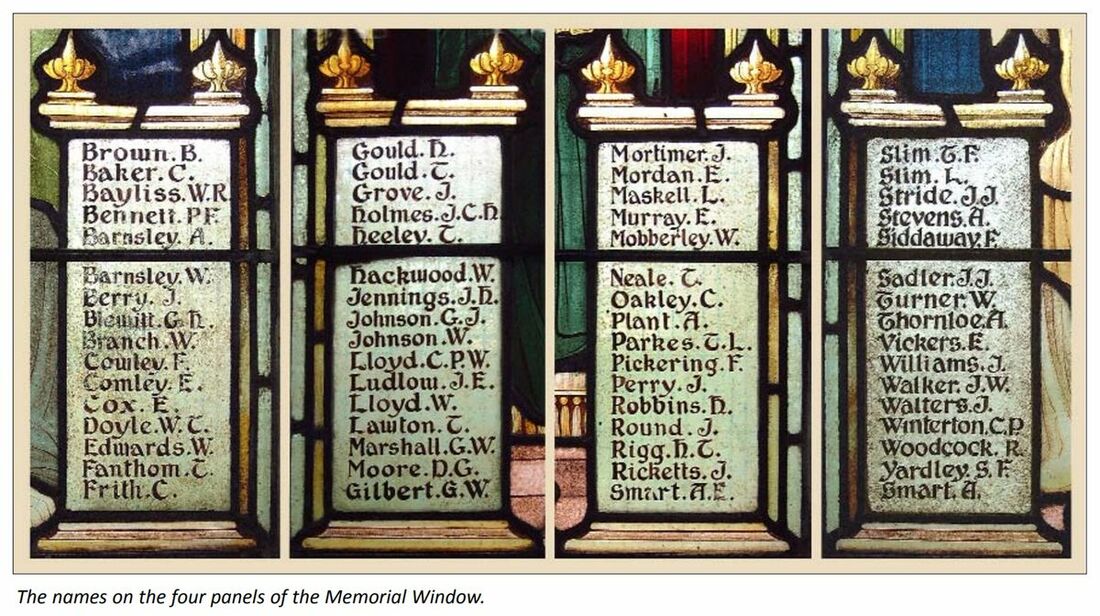
Following the War, it was decided that a memorial window containing the names of the war dead from the Langley area be installed in the Parish Church of St Michael's and a granite cross be erected at the Holy Trinity Church.
Subject to 20% VAT on Buyer’s Premium. For more information please view Terms and Conditions for Buyers.
Sold for
£350
Starting price
£180



Watch, listen and bid as if you were in the room. Now available for auctions worldwide.
Click here to bid live
An exclusive and confidential service for the discerning collector or vendor.
View the Gallery
Download every Spink catalogue on your iPad, iPod or iPhone using free Spink app.
Download From iTunes© 2026 Spink & Son. All rights reserved.