
Auction: 20122 - Spink Numismatic e-Circulars 2 Part I: Toy Money, Tokens,Tickets and Medals
Lot: 721
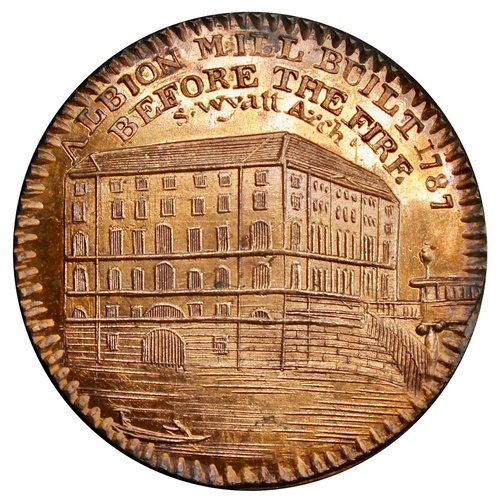
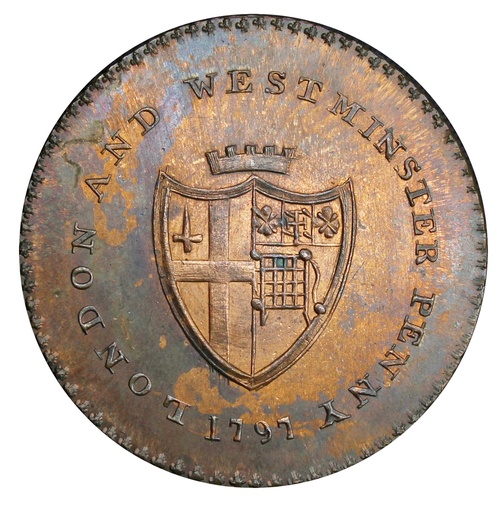
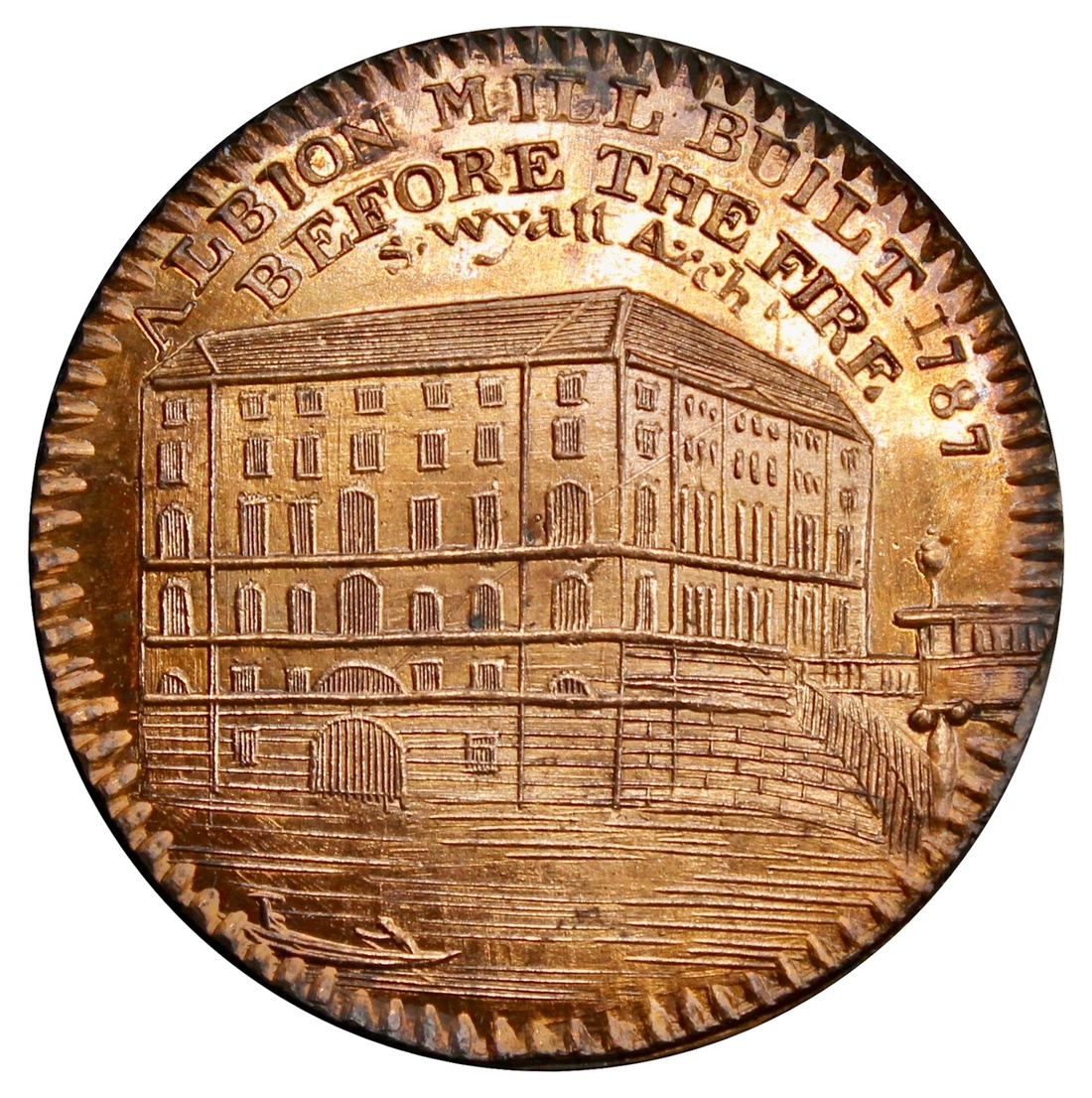
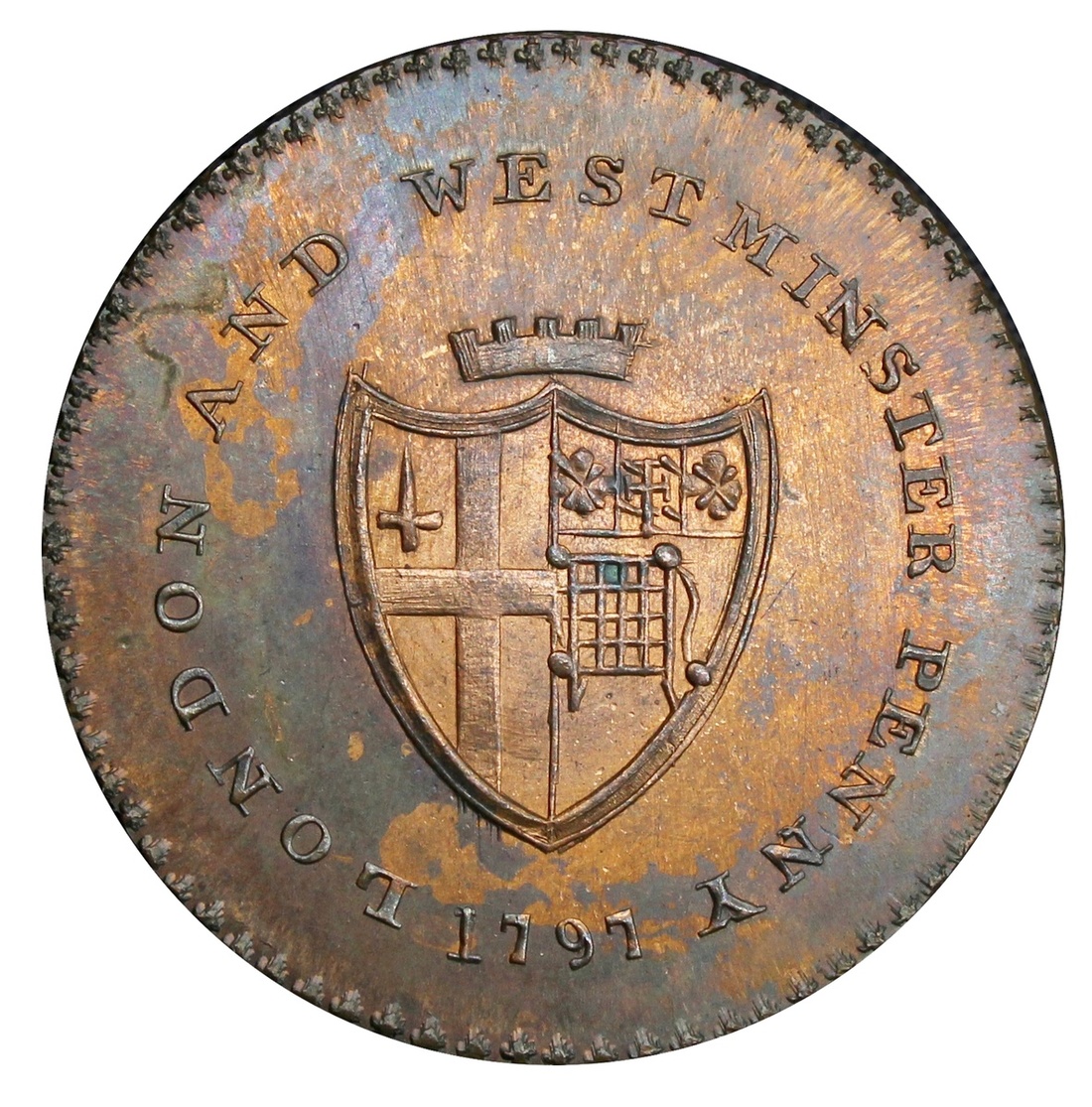
Middlesex, Southwark, Albion Mill (Skidmore's), Penny, 1797, LONDON AND WESTMINSTER PENNY - 1791 -, crowned shield, rev. ALBION MILL BUILT 1787, BEFORE THE FIRE, S. Wyatt Arch.t, view of Mill from Northern bank of the Thames by Blackfriar's bridge, I PROMISE TO PAY ON DEMAND THE BEARER ONE PENNY on edge, 24.09g, 12h (Conder 79/95; D&H 92), some uneven partial toning on obverse, otherwise a superb example, with full mint red bloom on reverse, choice, practically as struck, rare thus
Provenance
Purchased Spink, £160 (ticketed £200)
Probably
R C Bell, A Collection of British Trade Tokens, DNW, 1 October 1996, lot 52 - £150
Albion Mills was the first steam-powered flour mill in England. Conceived in 1783 by Matthew Boulton, of Soho Coin Works fame, he appointed renowned 18th Century architect Samuel Wyatt to finish its construction by the spring of 1786. Newspapers excitedly record the start of operations on April 1, commenting: 'This mill, the largest in the world, has been erected for the beneficient and salutary purpose of supplying this great metropolis with flour, and of course reducing the price of bread, the greatest blessing the poor can experience on earth.' (Salisbury and Winchester Journal, 10 April 1786).
Sited in Southwark, on the south-east bank of the River Thames, next to Blackfriars Bridge, 20 pairs of steam-driven millstones were capable of processing 10 bushels (363 litres) of wheat per hour. By June 1790, the Albion Mills were producing £6,800 worth of flour for London per week, a virtual monopoly which forced several of the wind-driven mills in Lambeth out of business.
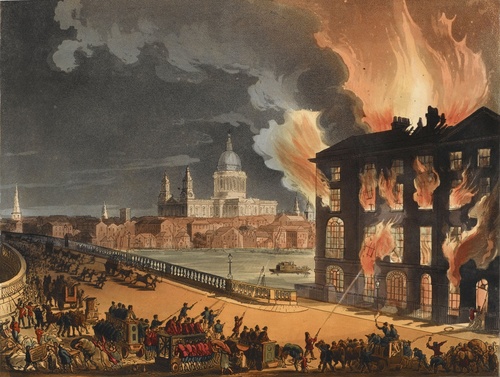
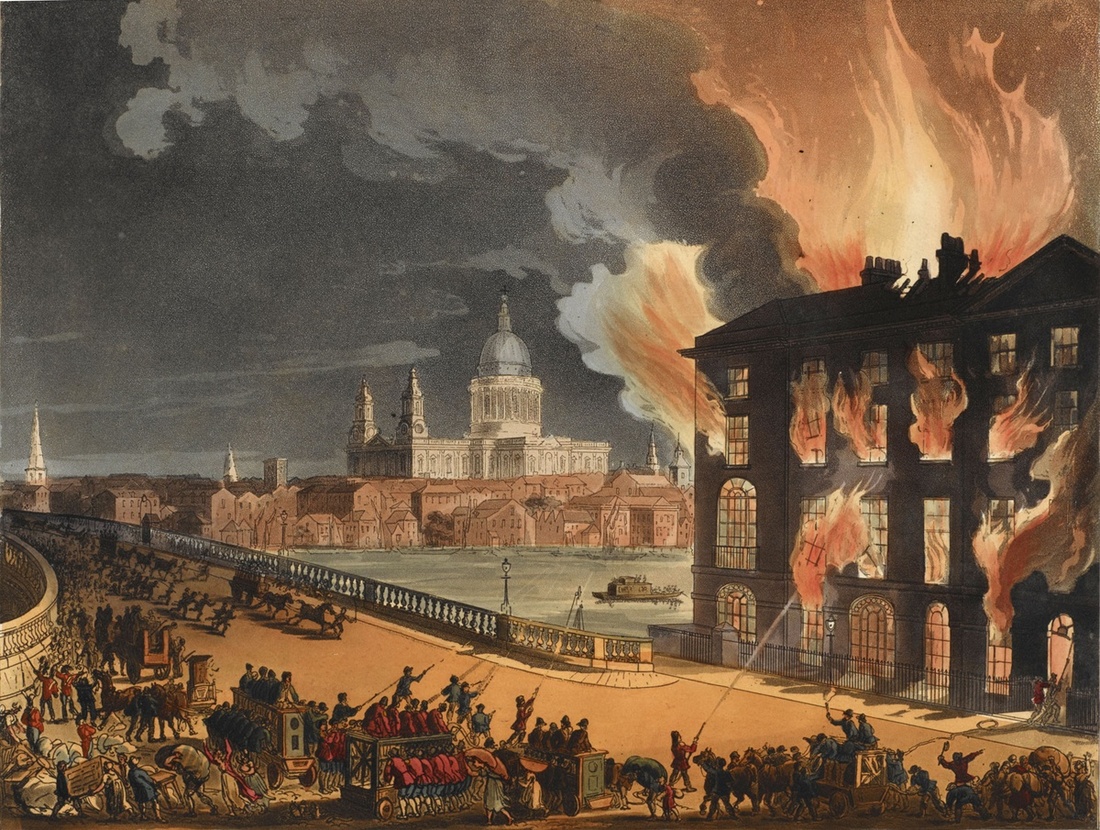
However, at 6:30, on the morning of March 2, 1791, a large fire broke out in a room on the second-but top floor of the building, possibly in a corn machine or in a pile of previously damp flour. Contemporary accounts record the blaze immediately took hold, and 'raged with such unabating fury, that in about half an hour the whole of that extensive edifice, together with an immense quantity of flour and grain was reduced to ashes' (Hampshire Chronicle, 7 March 1791). Arson was initially considered as the timing of the fire suspiciously occurred at ebb tide on the Thames, making it more difficult for the fire brigade to access water for their hoses. As the account continued: 'their assistance was ineffectual, for the flames burst out in so many different directions, and with such incredible fury and intolerable heat, that it was impossible to approach on any side till the roof and interior part of the building tumbling in completed the general conflagration in a column of fire, so awfully grand as to illuminate for a while the whole horizon.' It was noted as the fire raged, the platform of cannon normally used to signal to workers 'cooked off' successively until all were regularly discharged to the wonder of the gathering crowds in the street below. Once the fire reached the main barrel of gunpowder stored in the basement, a tremendous explosion was heard, sending flames 'ascending in spiral stream of liquid fire to an amazing altitude' which caused 'all the panes of glass in the opposite houses of Albion Place to crack incessantly and at so great a distance', as well as prompting all the pitch to melt on all the barges 'moored within 80 yards of the mill'.
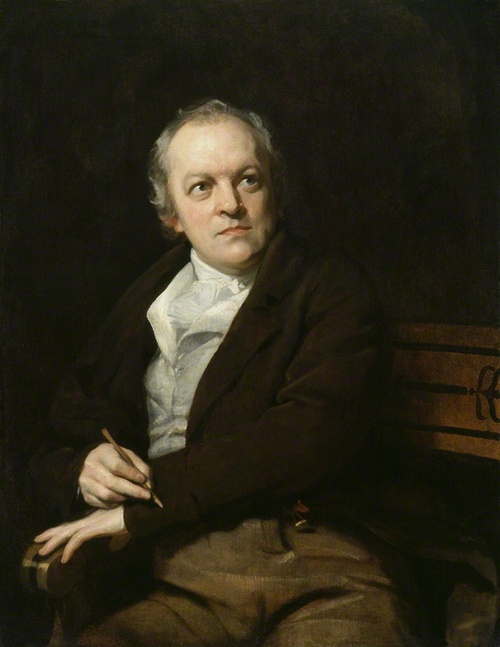
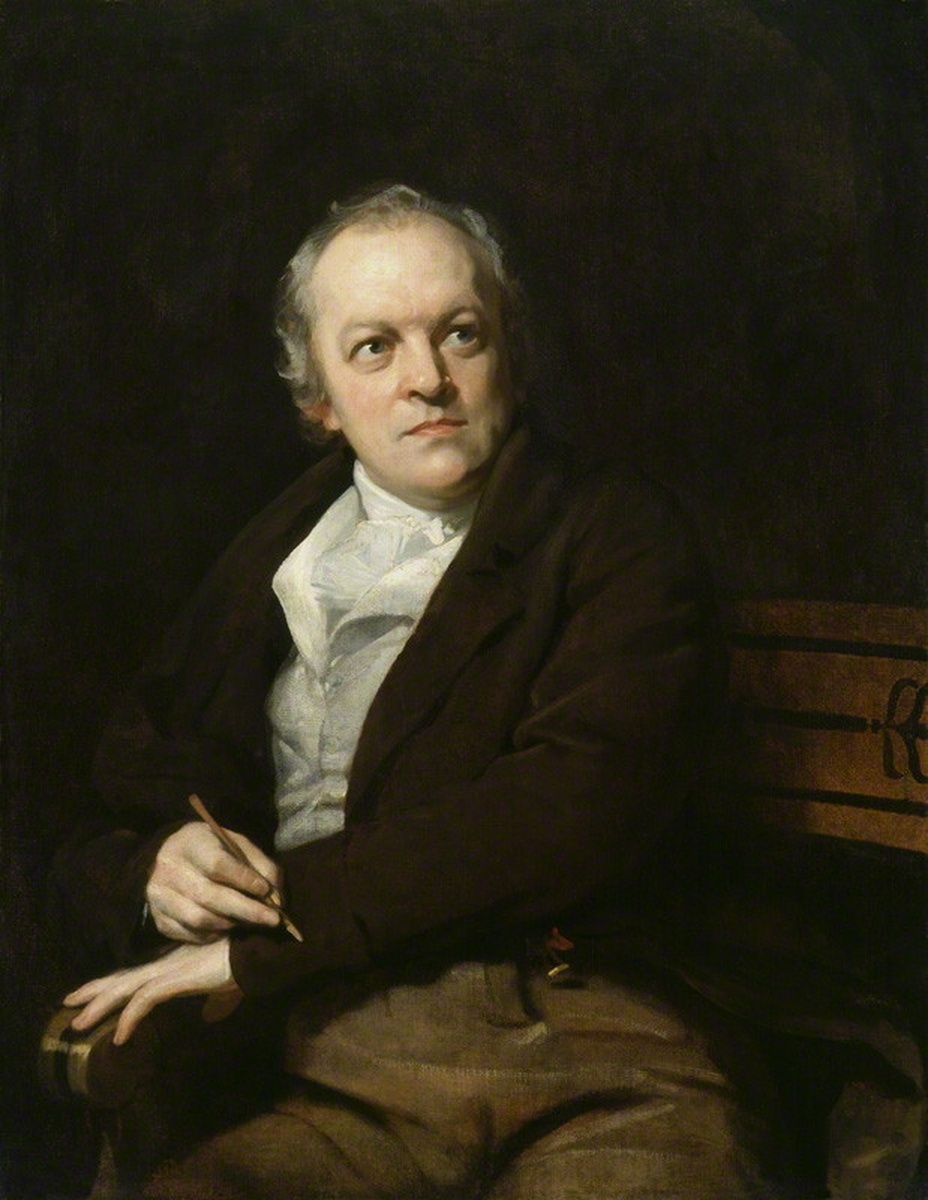
The breeze that morning was said to carry 'immense quantities of burning wheat into the air, [to] scatter profusely into the different streets of Westminster, and in St James's Park.' Over Westminster Bridge at Lambeth, a young poet named William Blake would observe this devastation, and as it is now widely believed, take inspiration from the image of the blackened, fire-beaten shell of the Albion Mills to formulate the line 'these dark satanic mills' in his now iconic prose 'And did those feet in ancient time', later popularised by Sir Hubert Parry into the rousing national hymn 'Jerusalem'.
Although established to mechanise the milling process and pass on labour reduction costs to the poor, the Mill swiftly came to monopolise parts of the London flour market. It's destruction was therefore widely rejoiced by the general populace as it was viewed as 'injurious to hundreds of honest millers in different parts of the country.' The market reaction to the fire was also immediate, with the price per quart of wheat at Mark lane falling 3 Shillings the following week. Several proprietors of rival mills at Blackwall, Limehouse and Poplar, Middlesex and Rotherhithe as well as those in Berkshire, also soon restarted business having previously been idle for more than three years. (Hampshire Chronicle, 14 March 1791). Initially plans were filed to rebuild the Albion Mills in the years following the fire. Remarkably no deaths were recorded beyond company livestock, but 300 jobs were lost. The costs of damage were also estimated to be as much as £200,000, with only £66,000 actual liable for insurance payout. Consequently the building remained in a largely ruinous state until being finally raised in 1809. Largely forgotten today, the Albion Mills is largely credited with being 'London's symbol for the impending Industrial revolution.' The British Museum also holds illuminated prints or Robert and Henry Aston Barker's 'Panorama's of London' as drawn from the roof of the Albion Mill in 1792/93.
Subject to 20% VAT on Buyer’s Premium. For more information please view Terms and Conditions for Buyers.
Estimate
Starting price
£250

Watch, listen and bid as if you were in the room. Now available for auctions worldwide.
Click here to bid live
An exclusive and confidential service for the discerning collector or vendor.
View the Gallery
Download every Spink catalogue on your iPad, iPod or iPhone using free Spink app.
Download From iTunes© 2026 Spink & Son. All rights reserved.