Auction: 26002 - Orders, Decorations and Medals
Lot: 237
(x) The superbly well-documented Virtuti Militari, Cross of Valour with two Bars, D.F.M. group of five awarded to Pilot Officer L. Kosmowski, No. 306 (Polish) Fighter Squadron, Royal Air Force, late Polish Air Force, who took three 'kills' and one damaged, with recent research suggesting one of his victims was German Ace Adolf Galland, before being tragically killed in action in 1942 with his death attributed to the German Ace "Wutz" Galland, Adolf's brother
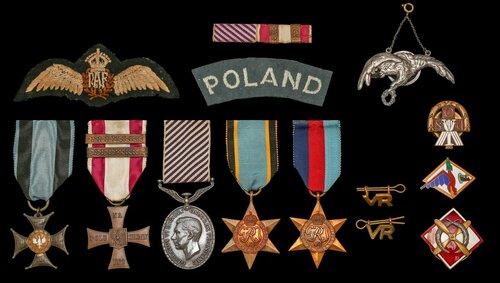
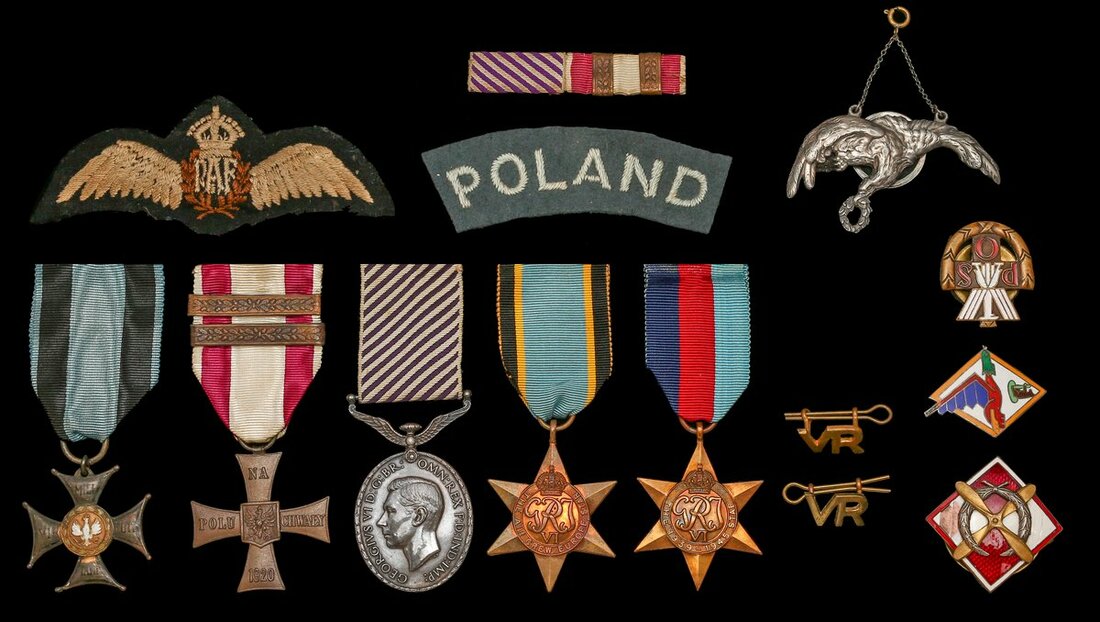
Poland, Republic, Order of Virtuti Militari, 5th Class breast Badge, silver and enamel, officially impressed '8209', the number possibly officially corrected; Cross of Valour, with Second and Third Award Bars; Distinguished Flying Medal, G.VI.R. (784757 Sgt. L. Kosmowski.); 1939-45 Star; Air Crew Europe Star, sold together with a comprehensive archive of original documentation, good very fine and rare to a Polish Fighter recipient (5)
Note of the 64 D.F.M.s issued to Poles during the Second World War only 12 awards were made to fighter pilots.
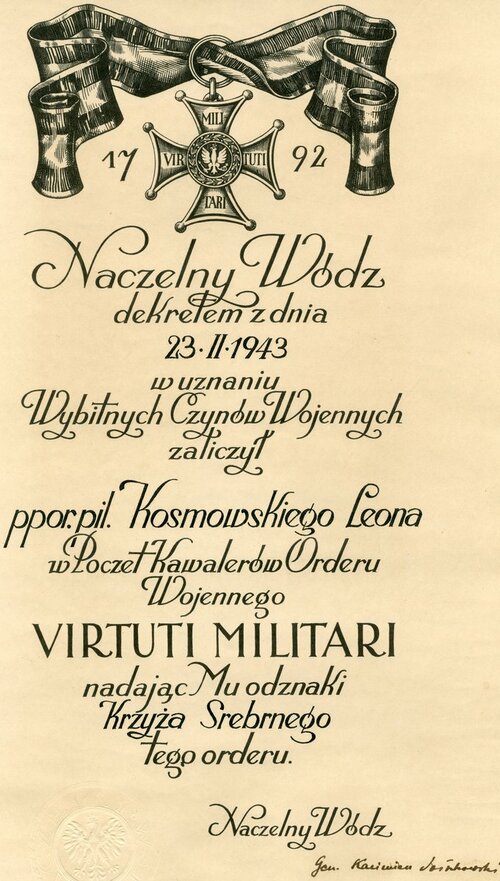
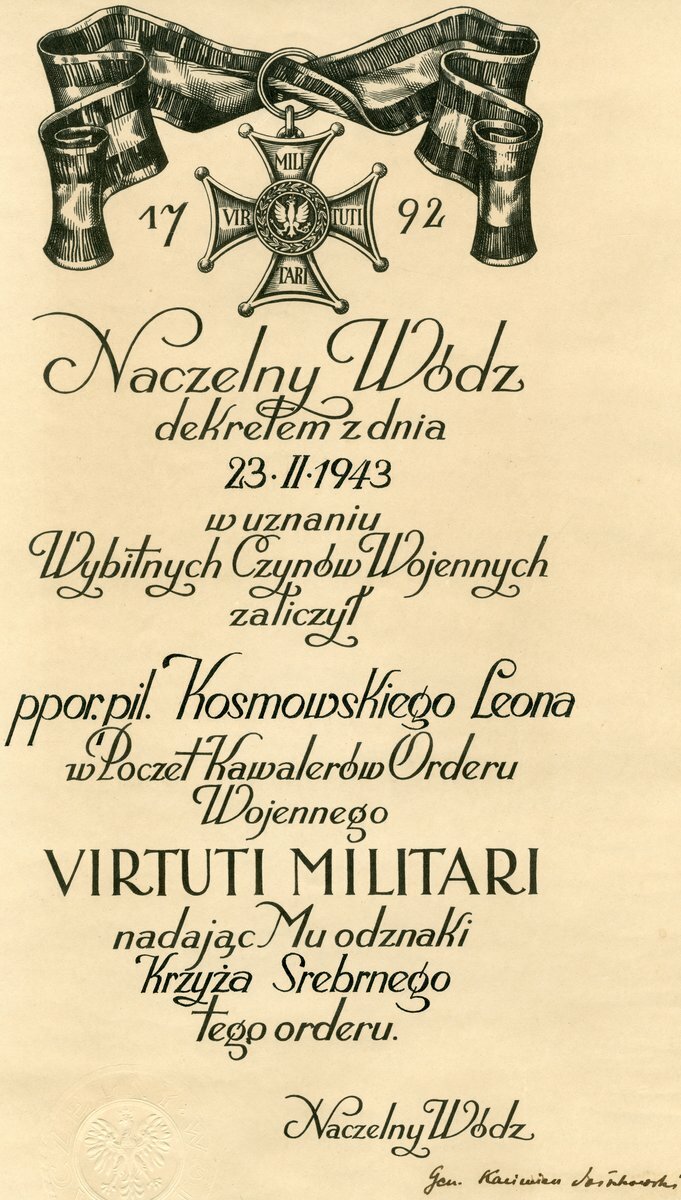
Virtuti Militari Diploma dated 23 November 1943.
D.F.M. Embassy of the Republic of Poland Air Attache Memo No 257 2 October 1942.
Leon Kosmowski was born in the village of Cosel (Kozanów) near Breslau (Wroclaw), in the territory of what was then Germany on 31 March 1919. The parents of the future aviator were Piotr, by profession machine operator, and his wife Jadwiga, nee Torz. Apart from their son, the parents had six daughters, five of whom were older than Leon.
The Battle of Poland
Shortly after his birth, Kosmowski and his family left Wroclaw and left for Poznan. There he attended a general school and then Charles Libelt Public School of Faculty. He was involved with scouting from 1927 as a member of the Fifth Scout Troop, Prince Józef Poniatowski. After completing his civil education in 1936, Kosmowski decided his future was with aviation and joined the Air Force Non-commissioned officers School for Minors in Bydgoszcz (relocated in 1938 to Krosno). He began his studies on 1 September 1936. After the first year of study, he was selected to be a pilot. Completing primary training, mainly on the RWD-8 and the PWS-16, he was selected for training on fighters.
Accompanying a group of his fellow N.C.O. cadets he began a 'higher pilot' course at the Pilot School in Ulez on 12 March 1939. During the course they were trained on PWS-10, PWS-26 and PZL P.7 aircraft. Having completing the course in Ulez on 30 May 1939 and at the same time graduating from the N.C.O. school, SPLdM, Kosmowski was assigned to the 142th Fighter Squadron. The unit was stationed at the airport in Torun and was part of the 4th Aviation Regiment, equipped with PZL P.11c aircraft. Kosmowski, like other pilots of the squadron, carried out an intensive and extensive training program in the summer of 1939. However, shortly before the outbreak of the war, just after the announcement of the mobilization, he and the other junior pilots were transferred to the Training Squadron of the 4th Aviation Regiment. In the last days of August, he participated in the action of moving civil aircraft from Bydgoszcz, Grudziadz, Inowroclaw and Rumi to the depths of Poland.
Kosmowski remained in the Training Squadron after 1 September 1939 and shared the unit's fate throughout the September campaign. Initially he stayed at the airport in Torun but, after the first two bombing raids, he moved to the outer Fort IX 'Boleslaw Chrobry' of the Torun defences and then to Fort XI 'Stefan Batory'. He was directed to the Main Railway Station for the purpose of evacuation by rail on the night of 4-5 September, which happened the next morning. Rail transport was on the route Wloclawek-Kutno-Sochaczew. In the face of attacks by German aviation, artillery and finally surrounded by German troops, at the behest of the railway transport commander, the train was abandoned and set on fire on 7 September. Soldiers divided into groups under the command of the officers and were ordered to walk on to Kovel. Most of them, like Kosmowski, managed only to break through to besieged Warsaw. In the middle of the month, the Air Battalion was created from airmen fighting as infantry in the area of the Mokotow airport.
It is known that Kosmowski remained in the Training Squadron until 24 September 1939. Then he managed to get from besieged Warsaw to France. He was probably one of about 20 airmen who departed from the Mokotow airport to Romania or Hungary that day.
Kosmowski stayed at the Lyon-Bron air base from 18-21 October 1939, where an improvised camp for Polish airmen was initially organized. There at the end of the year the Aviation Training Center was created. The French failed to train the Poles promptly on their equipment, with the result was that only a few Polish aviation units fought during the French campaign. After the fall of France, together with the staff of the Aviation Training Center, Kosmowski evacuated by rail to the Spanish border, and then by the ship Arandora Star from the port of Saint-Jean-de-Luz to the United Kingdom. He arrived in Liverpool on 27 June 1940.
The Royal Air Force - First Engagements
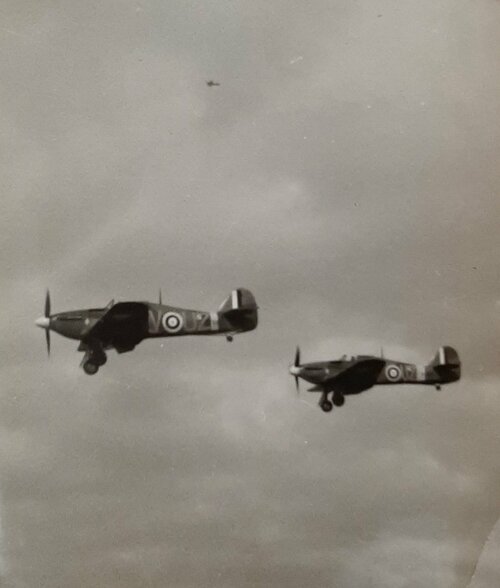
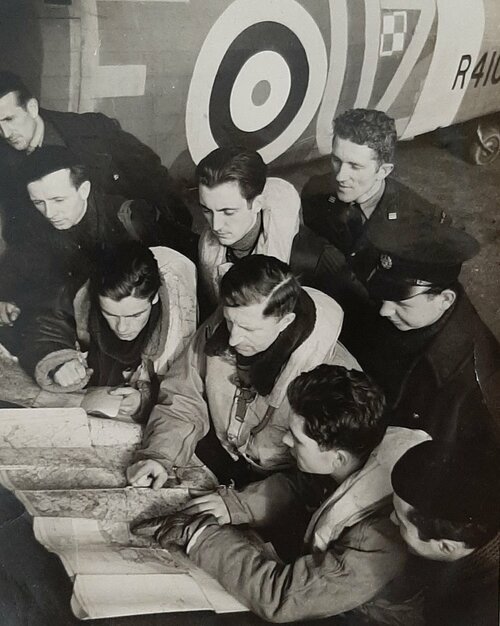
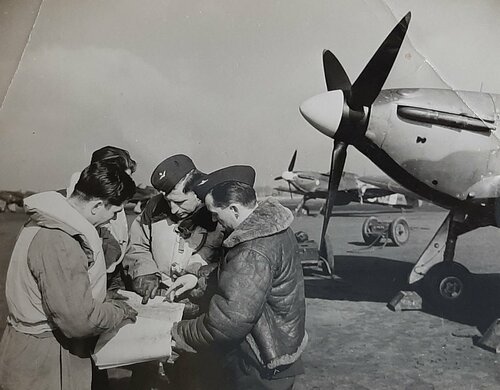
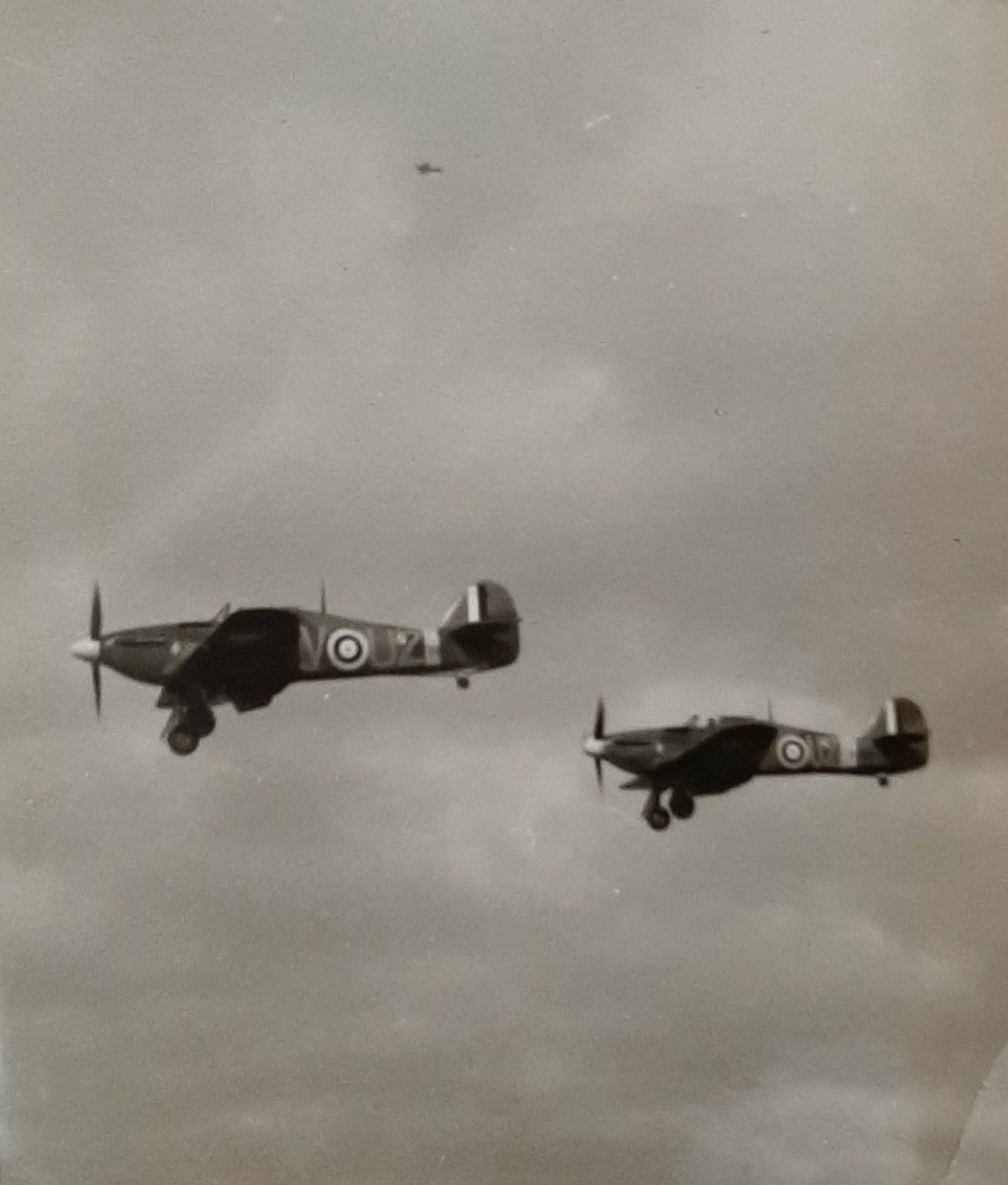
After arriving, Kosmowski was based initially at the RAF Weeton base. Later barracked at the RAF Hereford base from 27 August and at the Blackpool Air Force Base from 18 September, Kosmowski was assigned to the 306th Fighter Squadron 'Torun' on 24 September 1940, formed at the RAF Church Fenton base. In this unit he underwent training on British equipment; first training aircraft and then the Hurricane I. He took off on operational flights beginning in January 1941 - mainly day and night defense patrols. After being transferred to Northolt near London in April 1941 and the rearming of the 306 Squadron to the Hurricane II, he began taking part in offensive flights over France.
Taking off as part of 'Circus 13' flight on 17 June 1941, he was to fly as an escort for Blenheim bombers on their way over targets in Choques. During the task, he fought twice with German fighters and, upon his return, reported the damage to one Messerschmitt 109 in the target area and a definite 'kill' over the English Channel. Both submissions were officially confirmed.
During his next flight over France just four days later, he once again won an air victory. Taking off with 'Circus 16', he was to cover the Blenheims bombing the Luftwaffe airport in St. Omer-Wizernes. In the fight in the target area, he shot down a Messerschmitt 109. According to the latest findings, it is highly likely that he also shot down the famous German air ace and then commander of JG 26, Obstlt, Adolf Galland (previously this shooting had been attributed to ppor. Boleslaw Drobinski from 303 Squadron but research and corroborating German records suggest it was Kosmowski). Galland survived, but nursed a badly damaged plane to Calais-Marck Airport.
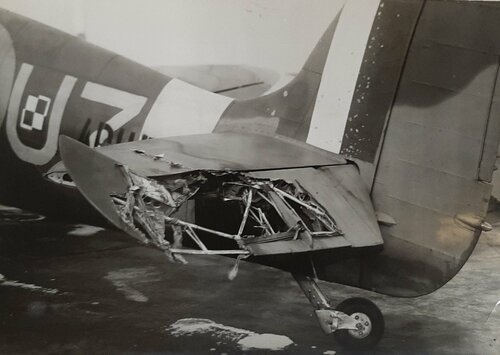
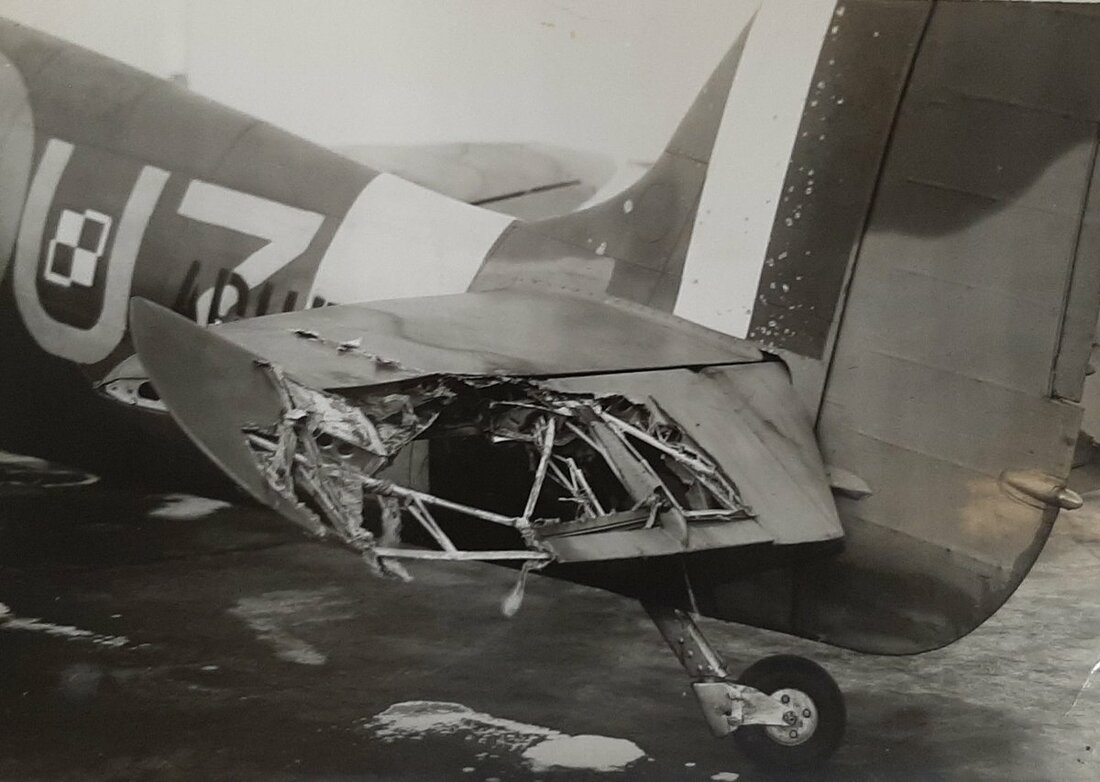
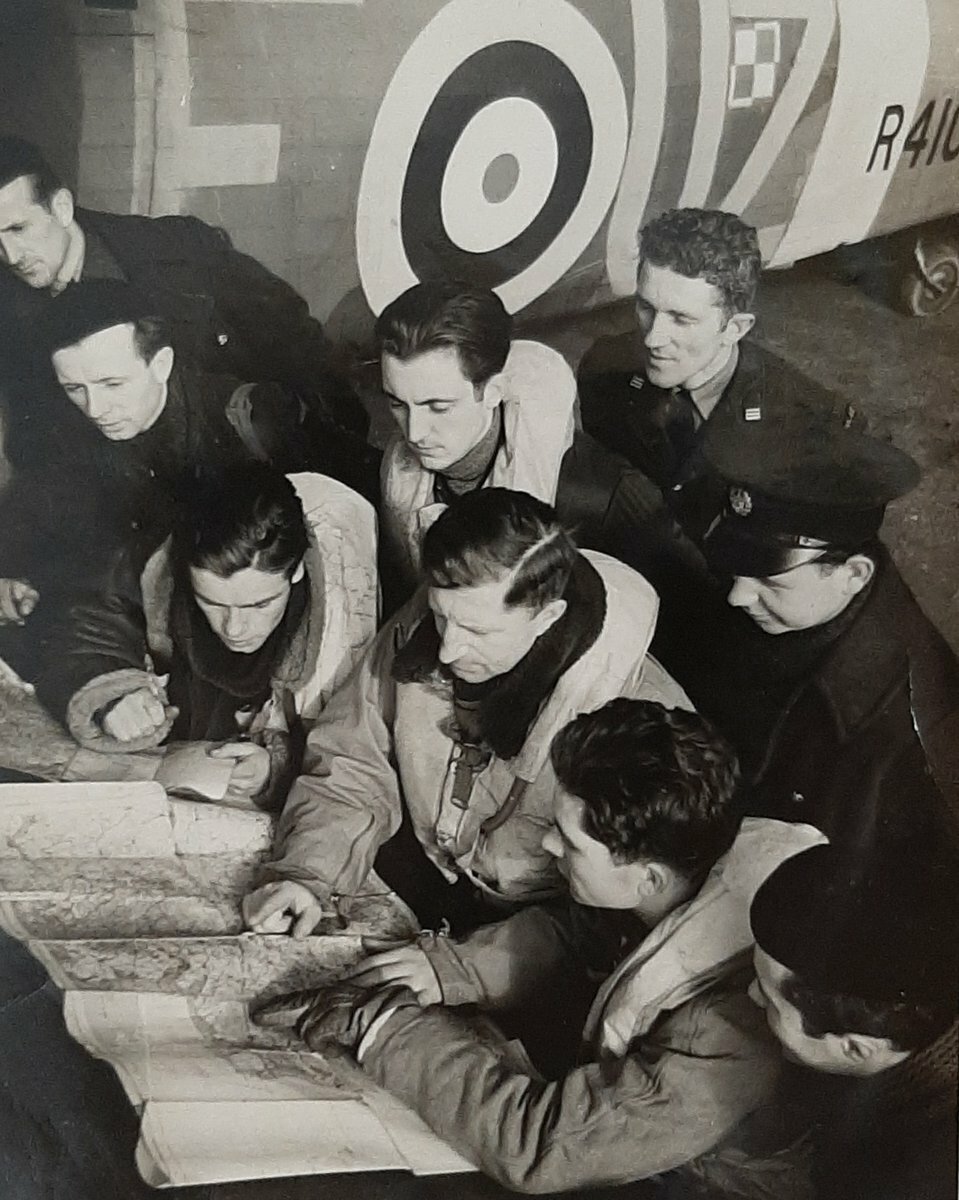
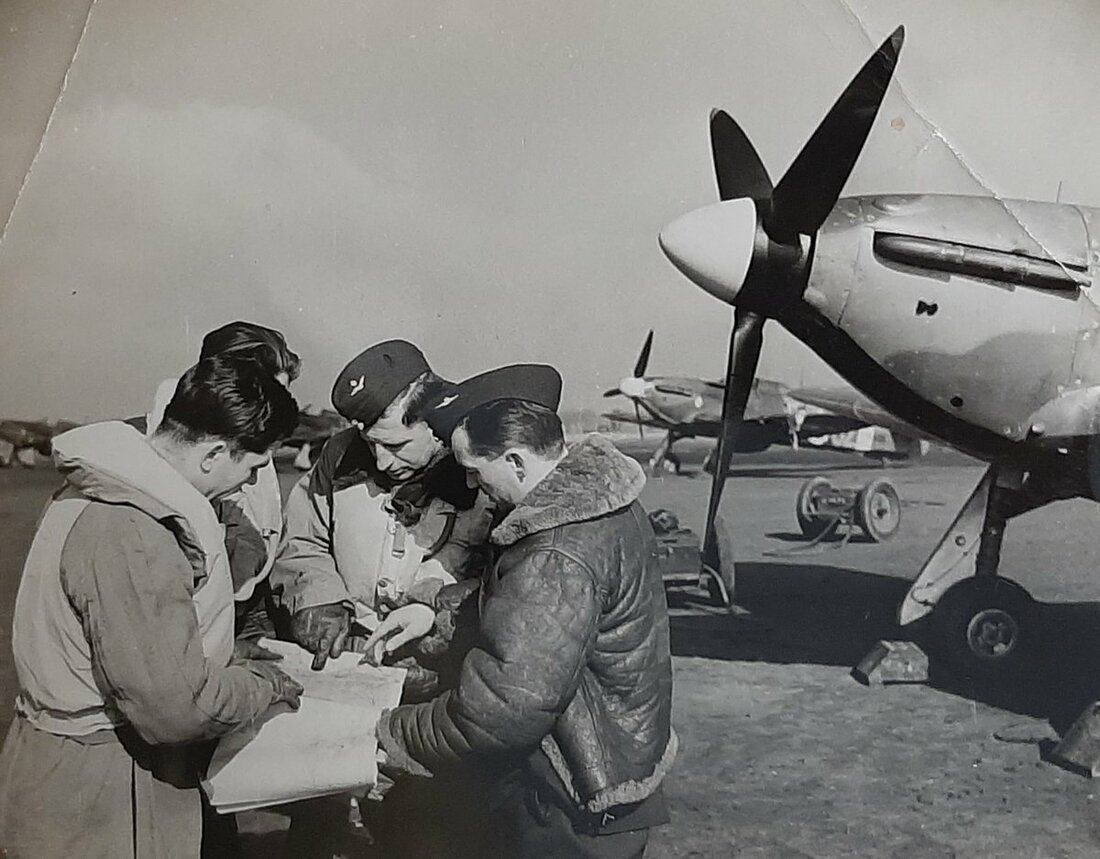
306 Squadron received new equipment at the end of June 1941, Spitfire IIBs and - in early September 1941 - the Spitfire VBs. While flying a Spitfire V, Kosmowski was almost shot down himself. During an escort of Blenheims against Béthune ('Circus 101'), the Poles fought JG26 & JG4 Me 109s and Focke-Wulf 190s. The accurate cannon fire from a pilot of one of the German fighters almost completely destroyed the left elevator of Kosmowski'a Spitfire VB UZ-M (AD115 refers and original wartime photos of the damage are included in the Lot). Despite this, he managed to return safely to England and land in Northolt without further damage.
Kosmowski left for a rest to the Speke RAF base in October 1941, where for the following months he mainly dealt with the introduction of pilots to operational work. He was transferred to Stanton Church Airport back to his squadron in December 1941. Having returned to duty he participated in Operation Veracity I, aimed at destroying three German warships in the French port of Brest on 18 December 1941. The task of the 306 Squadron was to escort Halifax heavy bombers which were to dump their loads on the two battleships and a cruiser hidden at the docks. In the target area, there was a fight against the attacking Me 109s trying to get to the bombers. Kosmowski received credit for one kill during that engagement.
Instructor and a Second Tour
Soon however he was transferred to the 58 Operational Training Unit in Grangemouth, Scotland on 5 April 1942. There Kosmowski became a fighter pilot instructor, passing on his experience to the student pilots during their primary piloting school. During his stay in Scotland, in recognition of his combat performance, he was promoted to the rank of 2nd Lieutenant - Pilot Officer - on 1 June 1942. He completed his instructor duties and was assigned back to the 306 Squadron on 9 November 1942.
In the final weeks of the year, he participated in a number of operations over France. His unit was now stationed at Northolt, and was now equipped with the superior Spitfire IX.
Kosmowski took part in the task of 'Rodeo 140', consisting of 306 and 315 Squadron sweeping over France on 31 December 1942. Starting from the Dieppe region, the ground guidance station directed the formation of Polish fighters to Berck, where Poles attacked 13 FW 190s from a height advantage. In the first phase of the fight the Polish leader, Joseph Gil of the 306 Squadron, was shot down. The 'Torun' squadron in the fight accounted in return for two enemy planes shot down for sure, with two probably and two damaged. After the battle, the 306 Squadron aircraft began to regroup near Berck. Flying alone and trying to join the rest, Kosmowski was surprised by a second flight of Fw 190s, which had just appeared in the area of the earlier fight. Oblt. Wilhelm-Ferdinand Galland, commander of 5/ JG 26 received credit in the German records for downing Kosmowski. The pilot's body or the wreckage of the plane was never found - they were probably consumed by the sea.
Commemorated on Northolt Polish Memorial during the war, he made 39 combat flights and 47 operational flights. His contribution was already recognised with the Cross of Valor, two bars and D.F.M., to which the posthumous award of the Virtuti Militari was added.
Sold together with copied research including D.F.M. recommendation, Roll of Honour extract and combat reports, together with a comprehensive original archive comprising:
i)
Original Sosnkowski signed Diploma for Virtuti Militari.
ii)
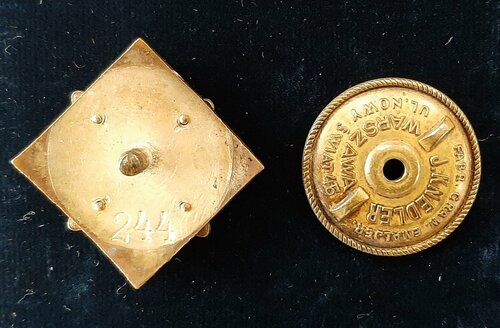
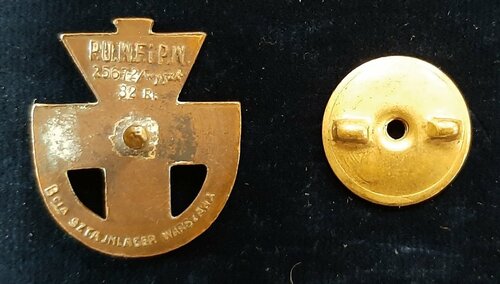
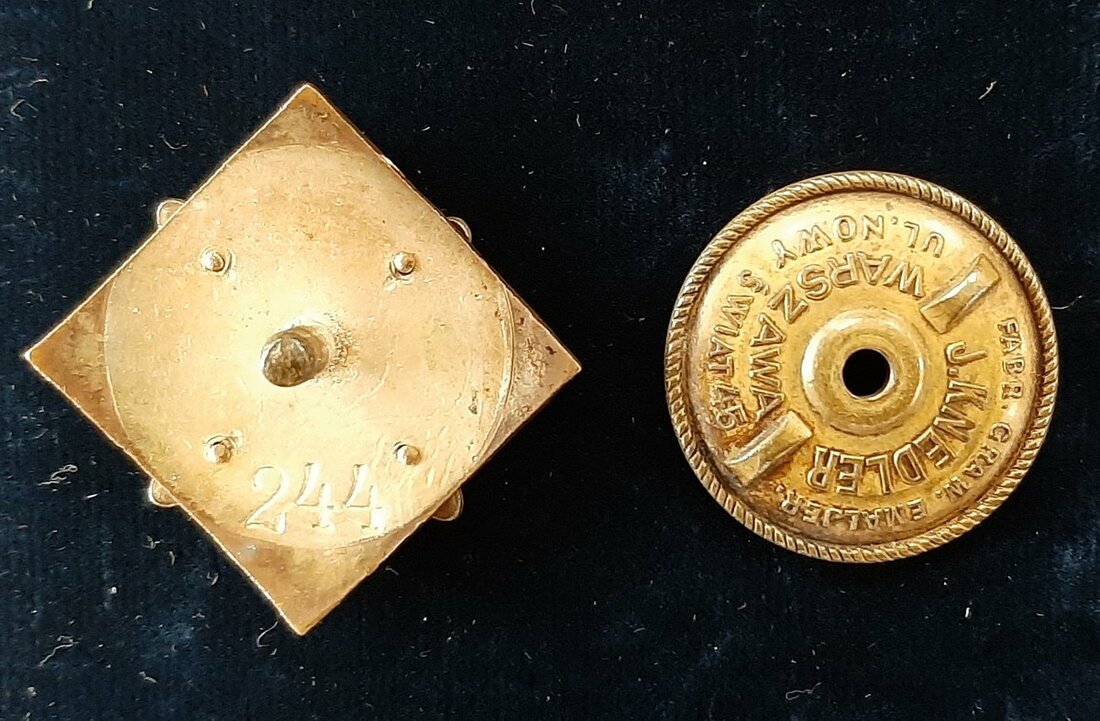
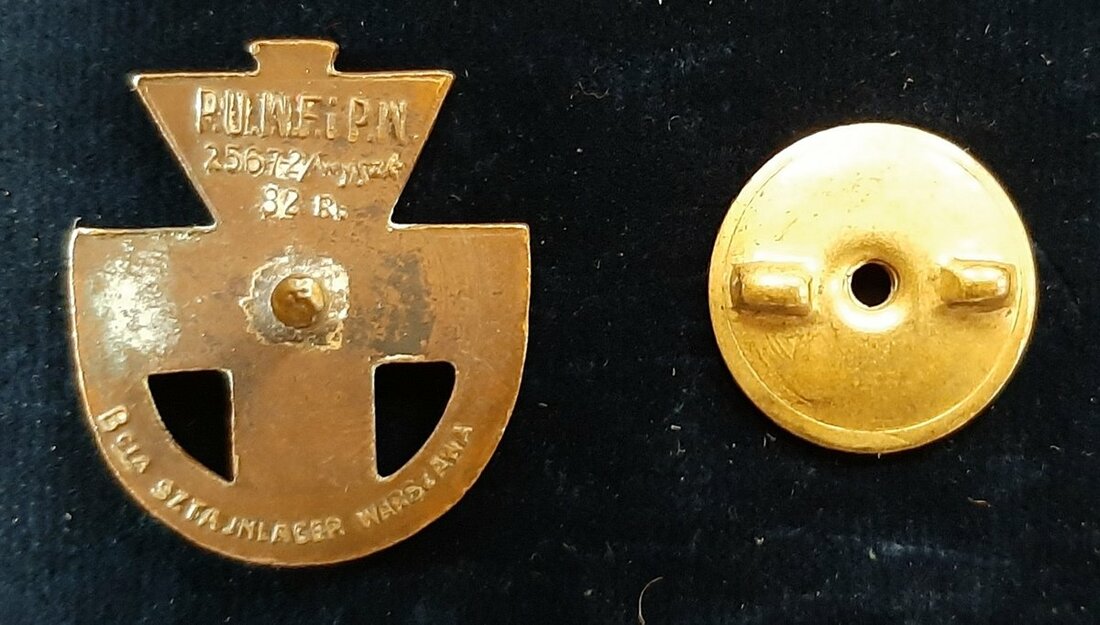
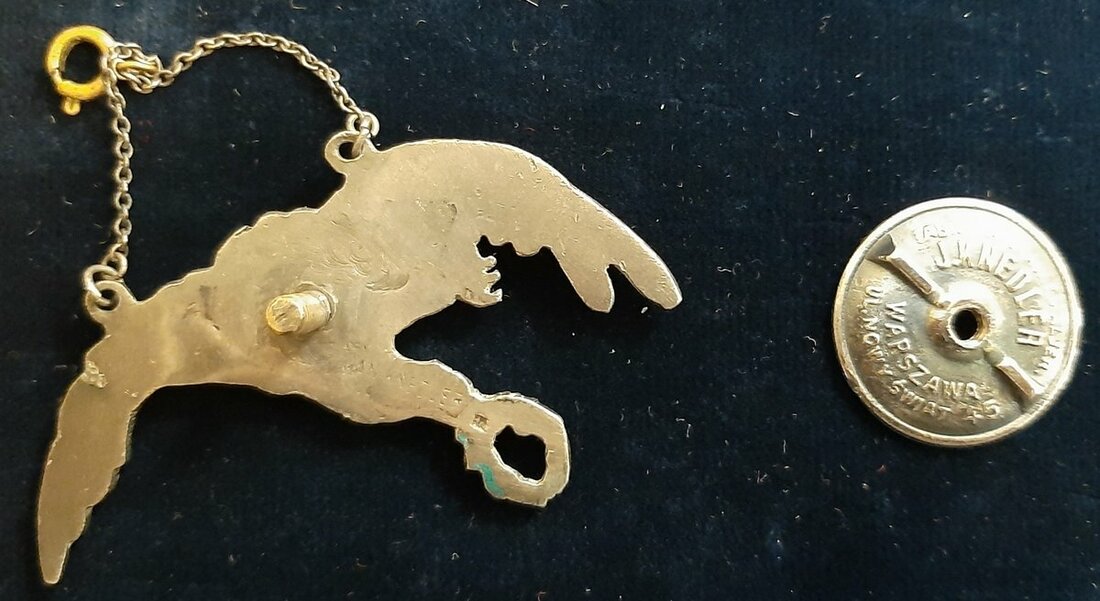
N.C.O. school badge produced by Knedler.
iii)
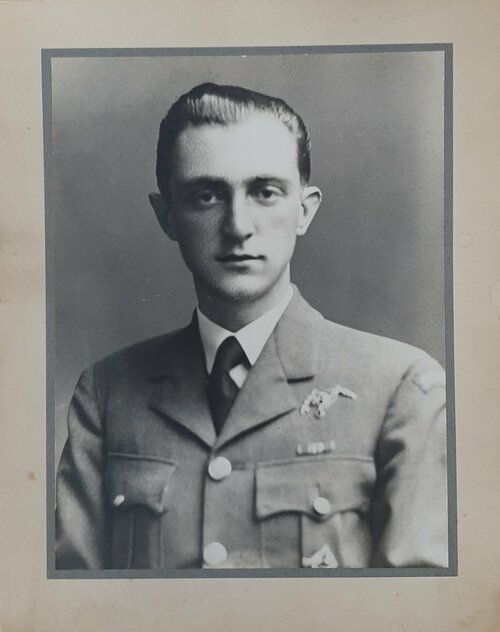
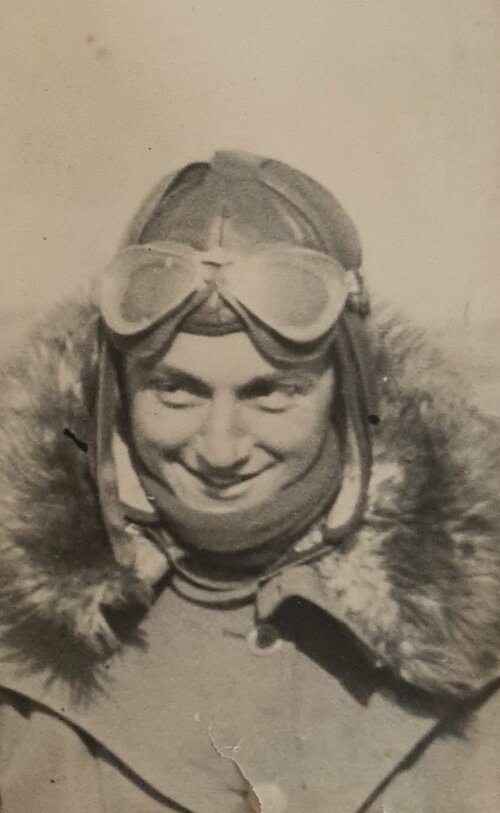
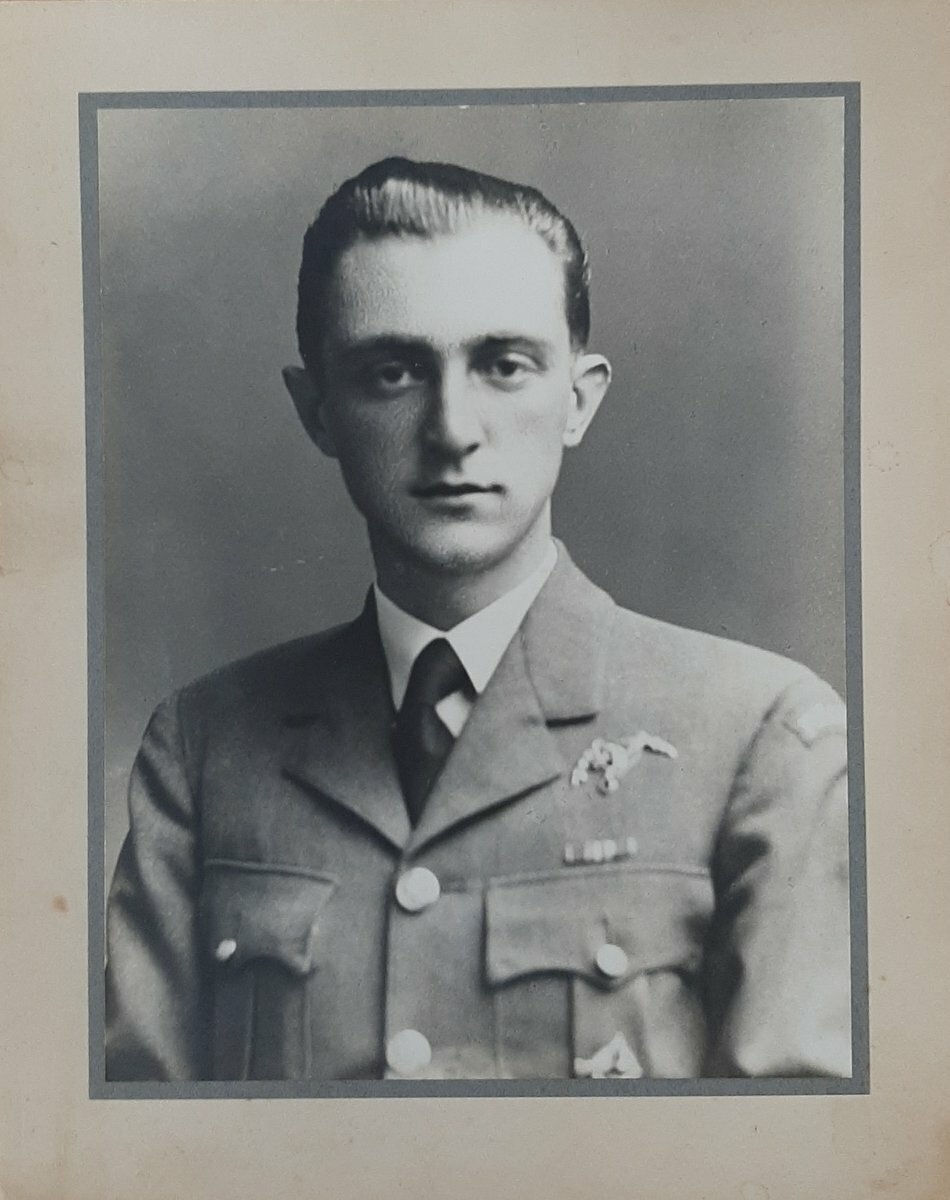
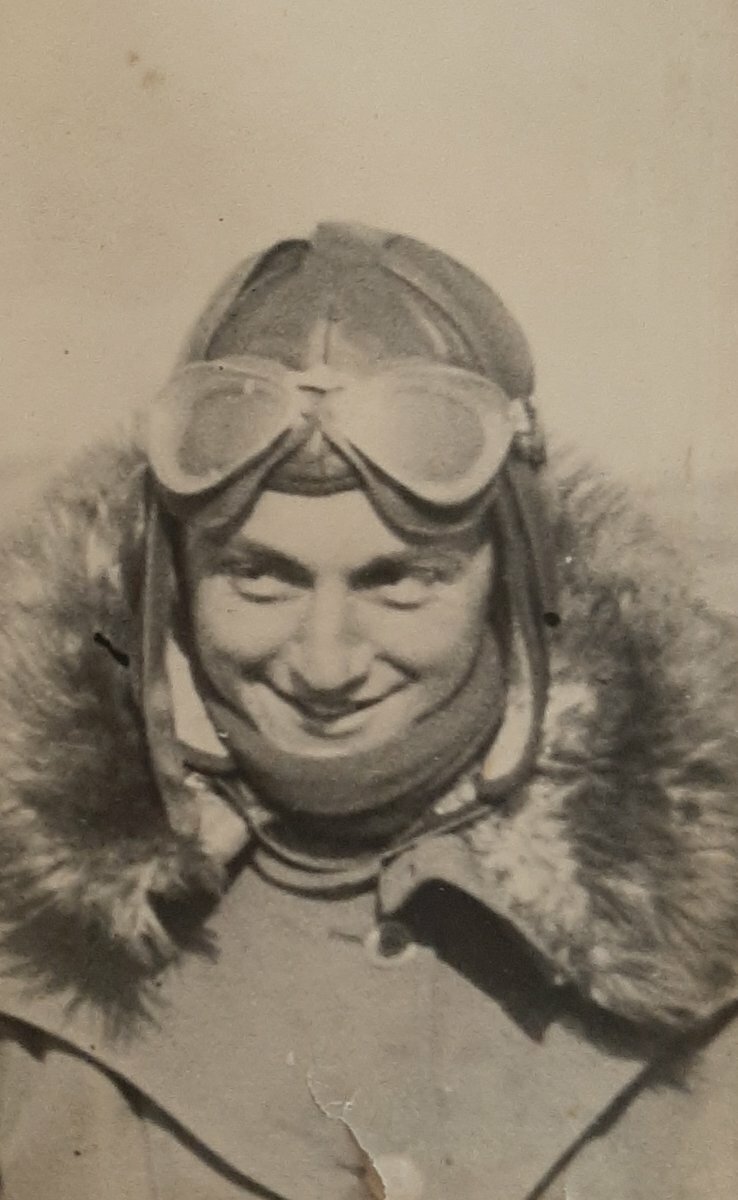
Squadron Badge (306), which the recipient can be seen wearing in his portrait photo, numbered '244 to the reverse'.
iv)
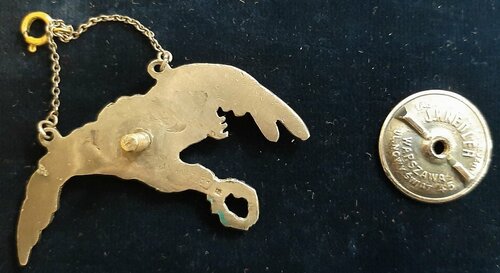
Polish pilot badge.
v)
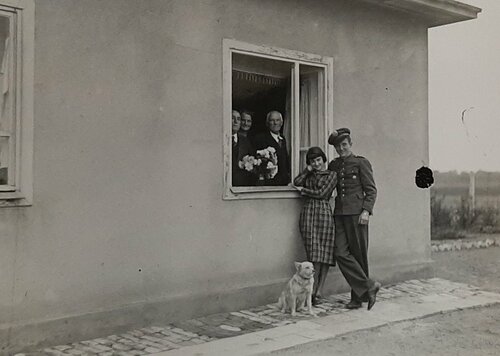
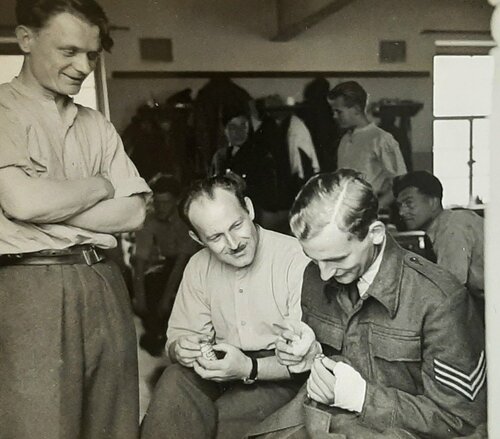
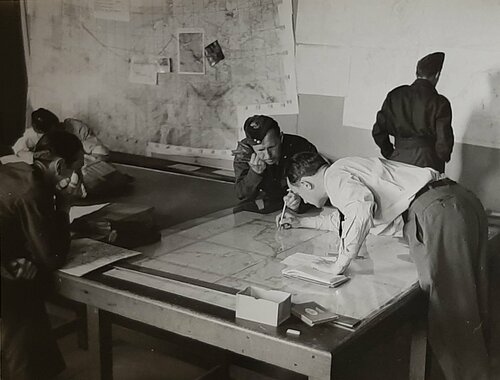
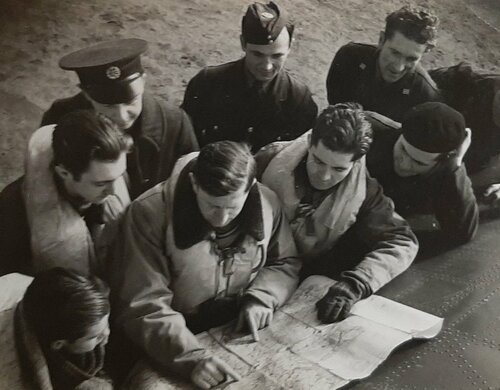
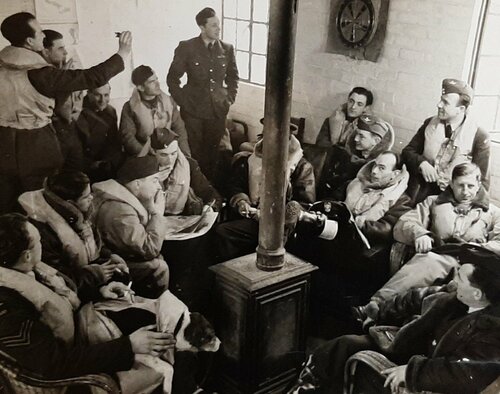
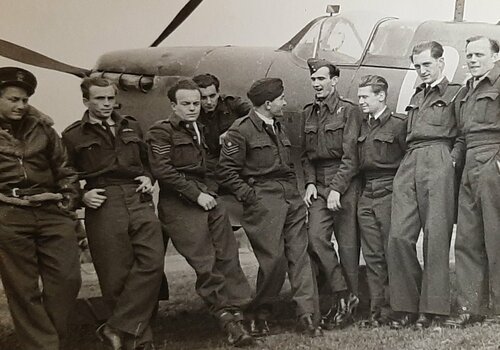
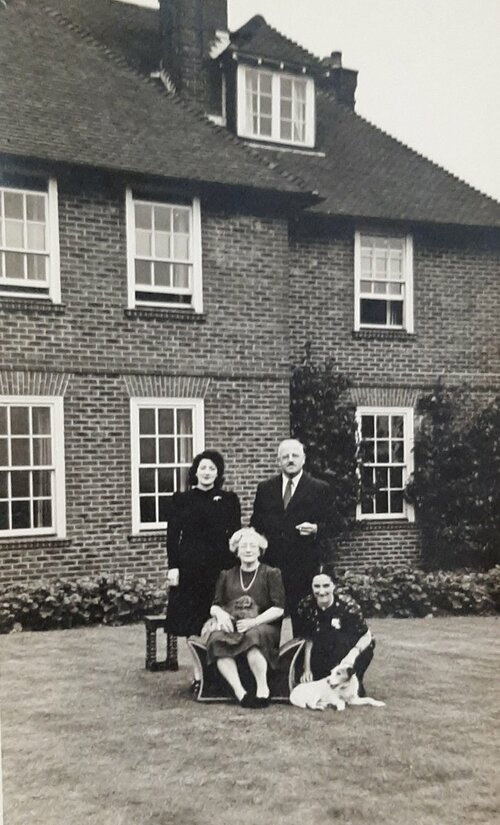
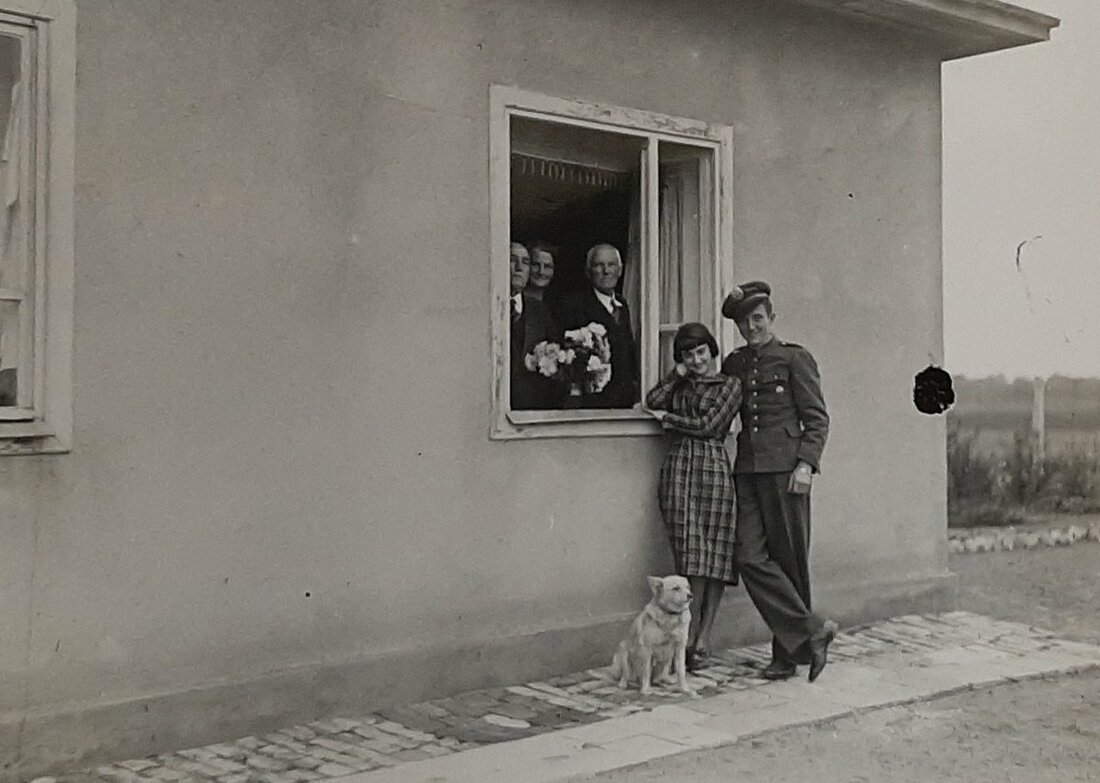
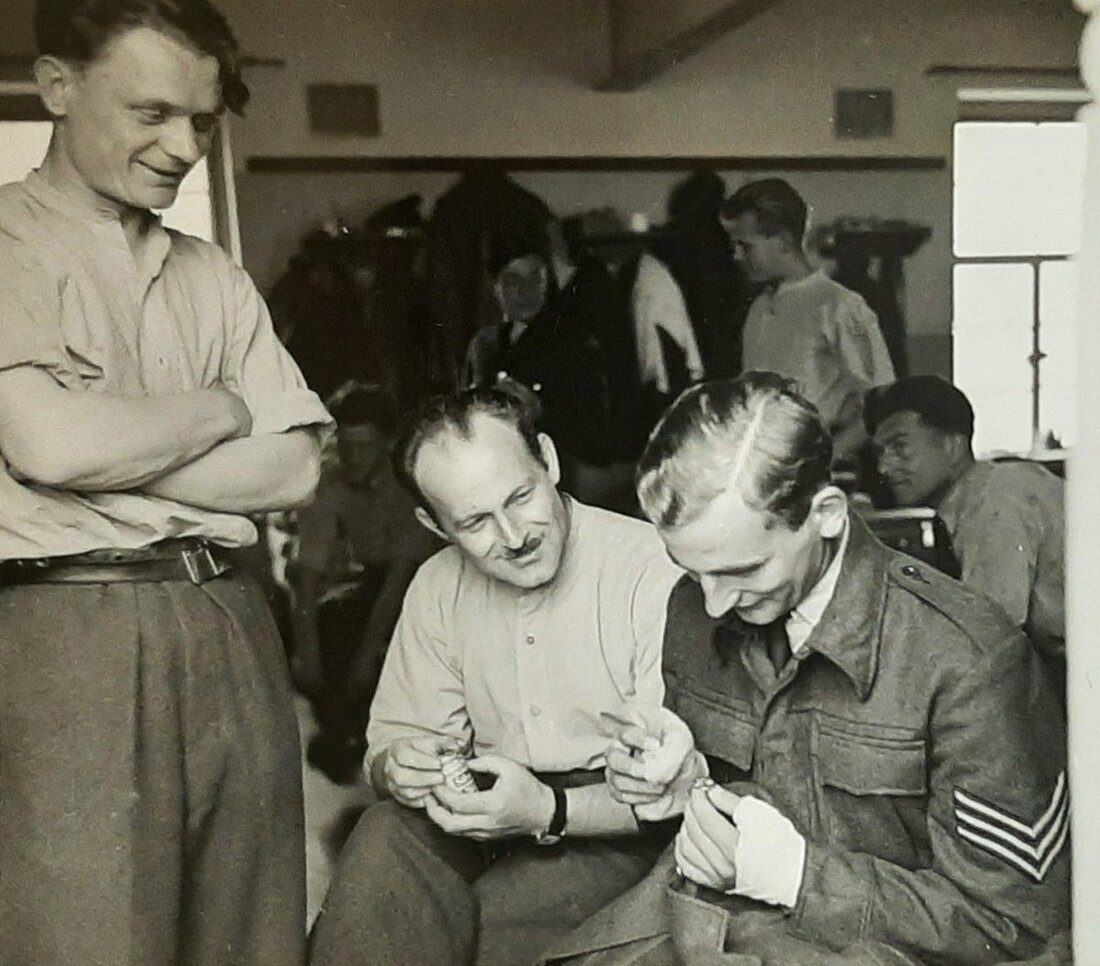
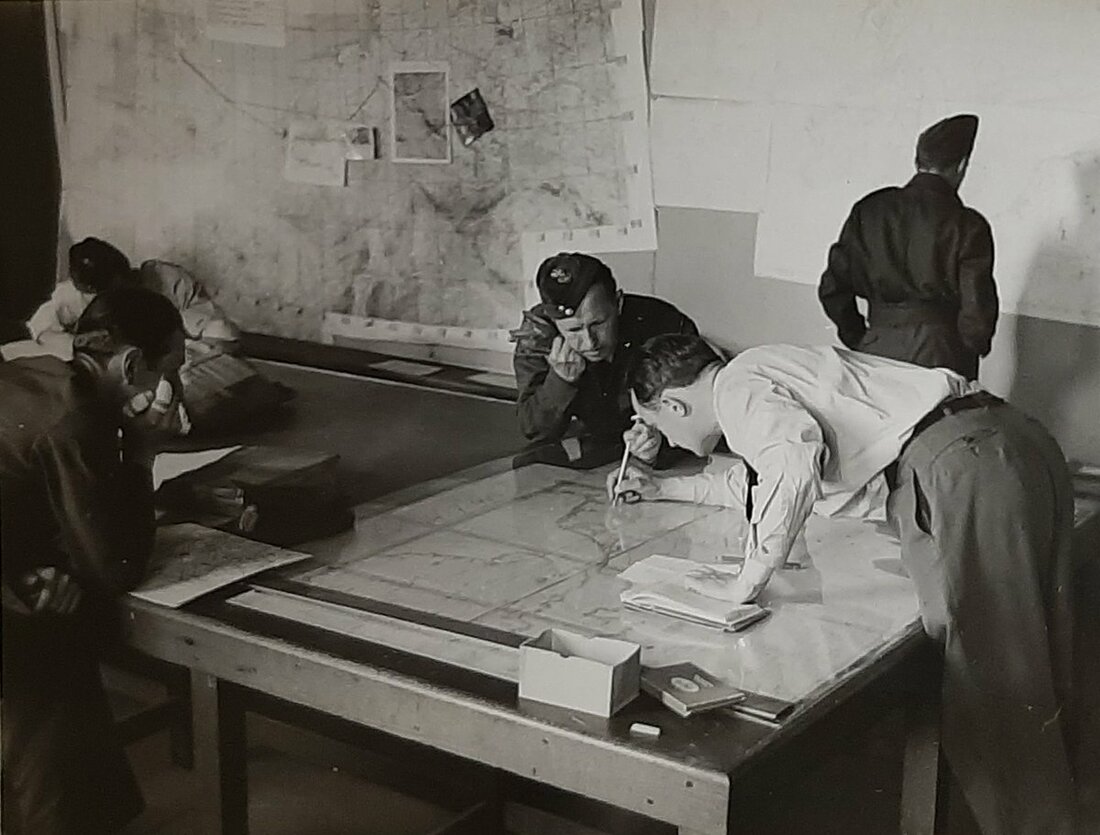
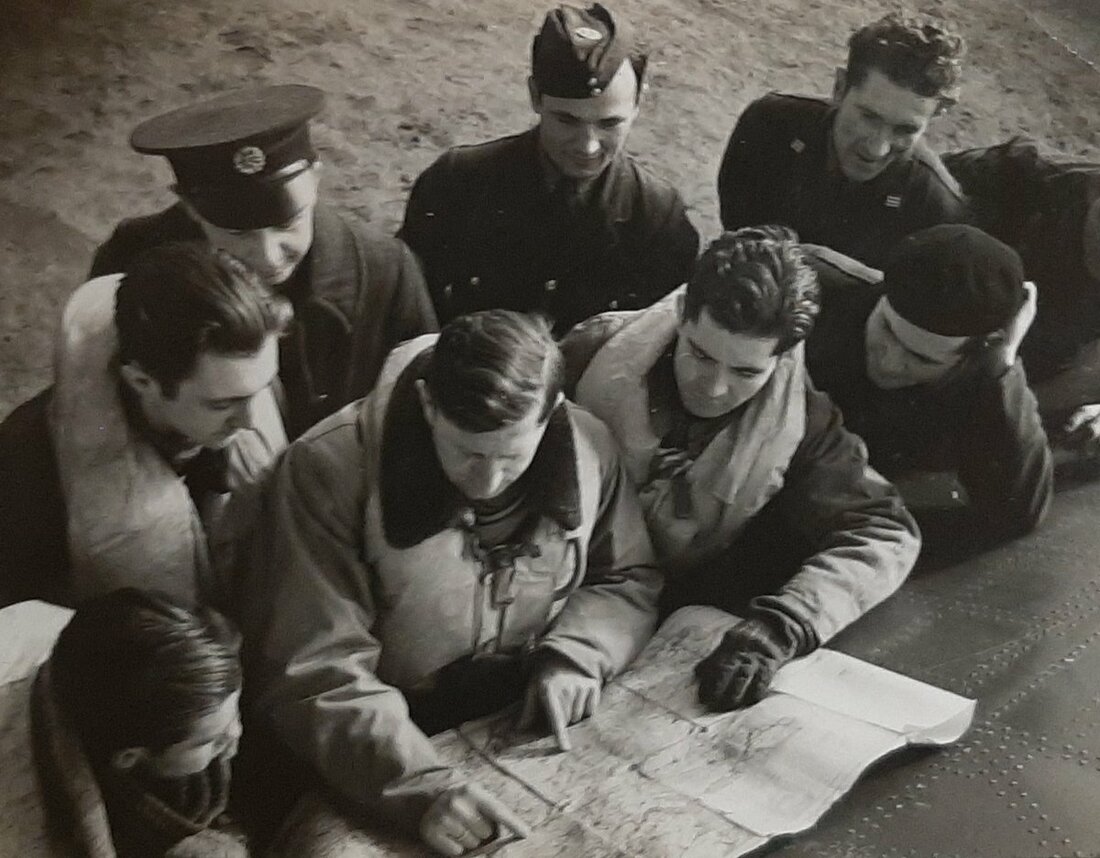
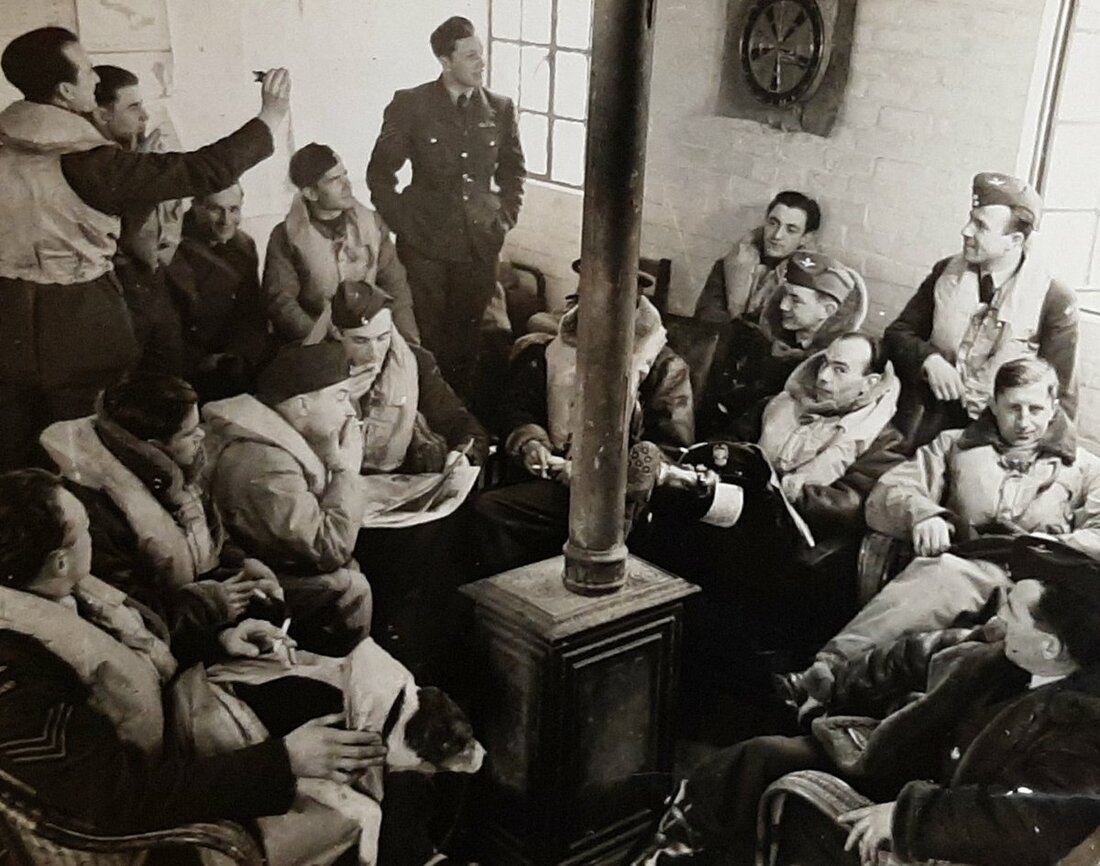
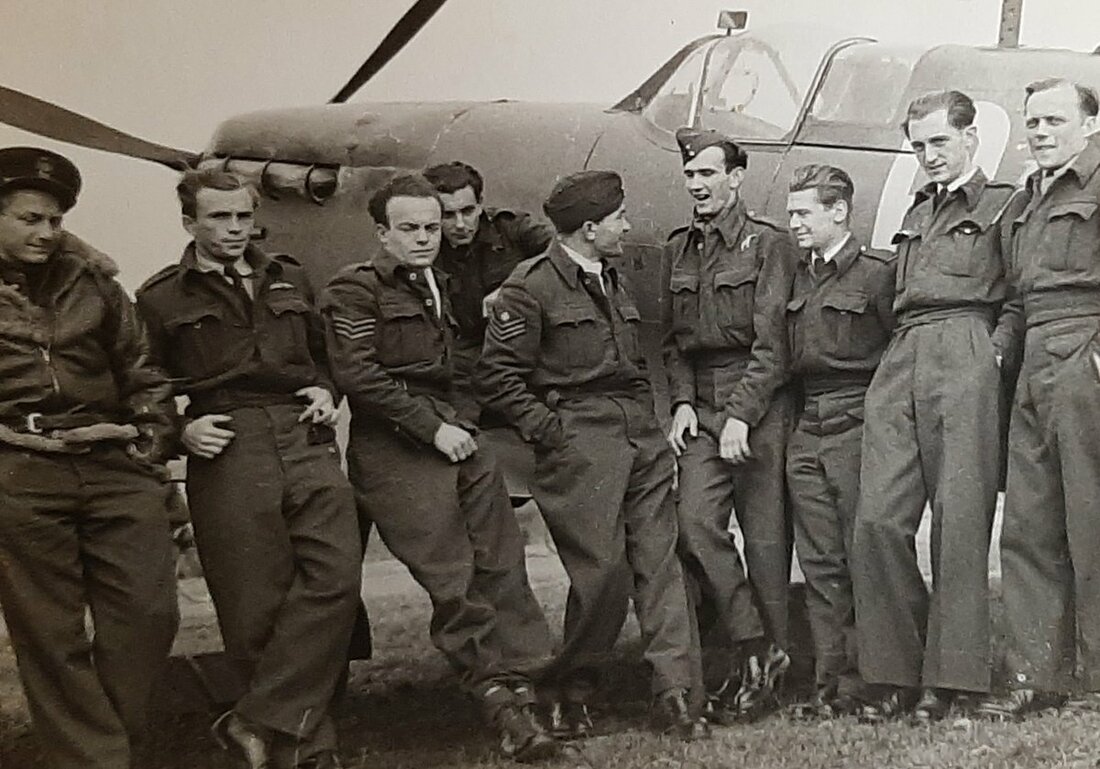
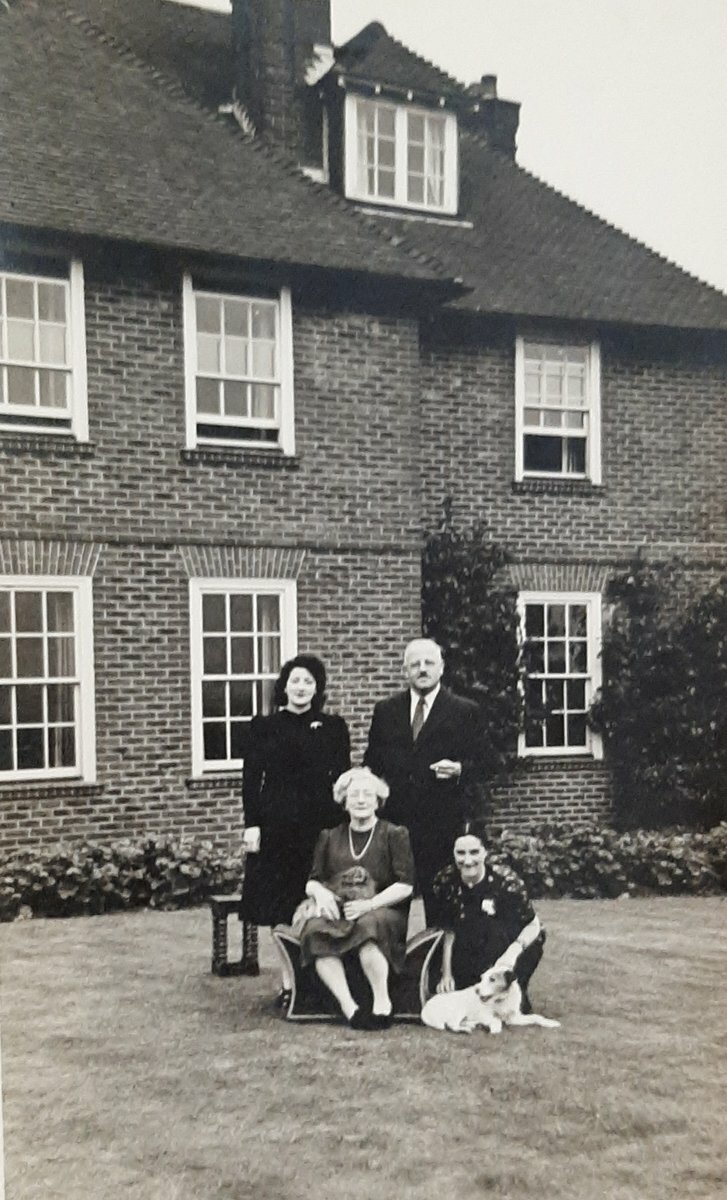
A number of wartime original photos of him with 306 Squadron taken by the Polish photo section, including images of him in uniform, damage to his aircraft, his host family in Britain and family photographs (15).
vi)
Portrait photograph of the recipient in uniform.
vii)
Ribbon bar, corresponding with the recipient's entitlement at the time of his death.
viii)
Volunteer Reserve insignia - worn by the Poles during the initial formation in GB until their squadron reorganized under the PAF/RAF agreement.
ix)
The recipient's full size RAF wings.
x)
Poland shoulder flash.
xi)
Prewar military shooting badge.
Subject to 5% tax on Hammer Price in addition to 20% VAT on Buyer’s Premium.
Estimate
£6,000 to £8,000
Starting price
£5500
Watch, listen and bid as if you were in the room. Now available for auctions worldwide.
Click here to bid live
An exclusive and confidential service for the discerning collector or vendor.
View the Gallery
Download every Spink catalogue on your iPad, iPod or iPhone using free Spink app.
Download From iTunes© 2026 Spink & Son. All rights reserved.