
Auction: 26002 - Orders, Decorations and Medals
Lot: 196
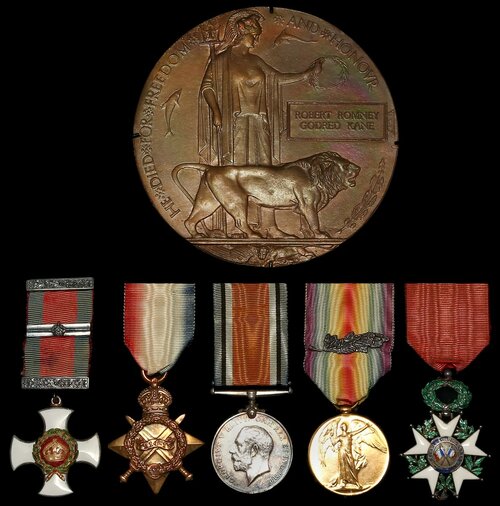
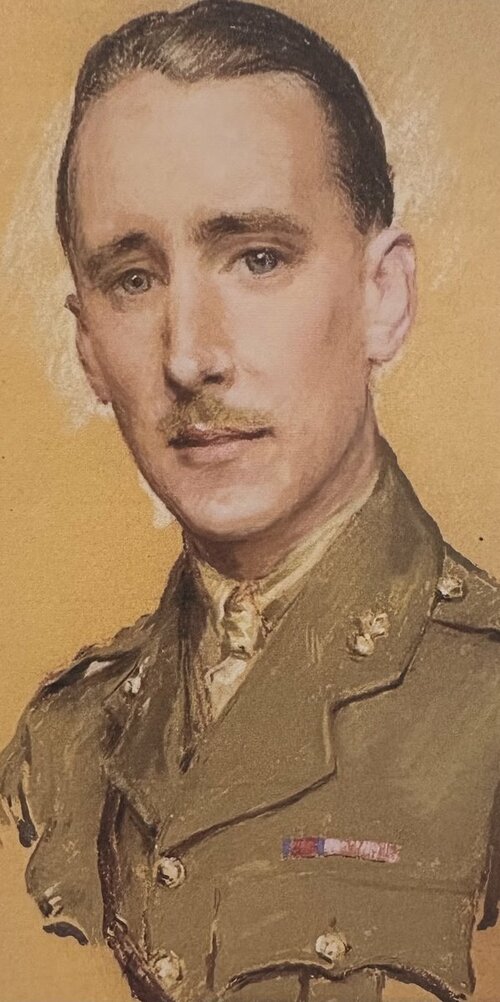
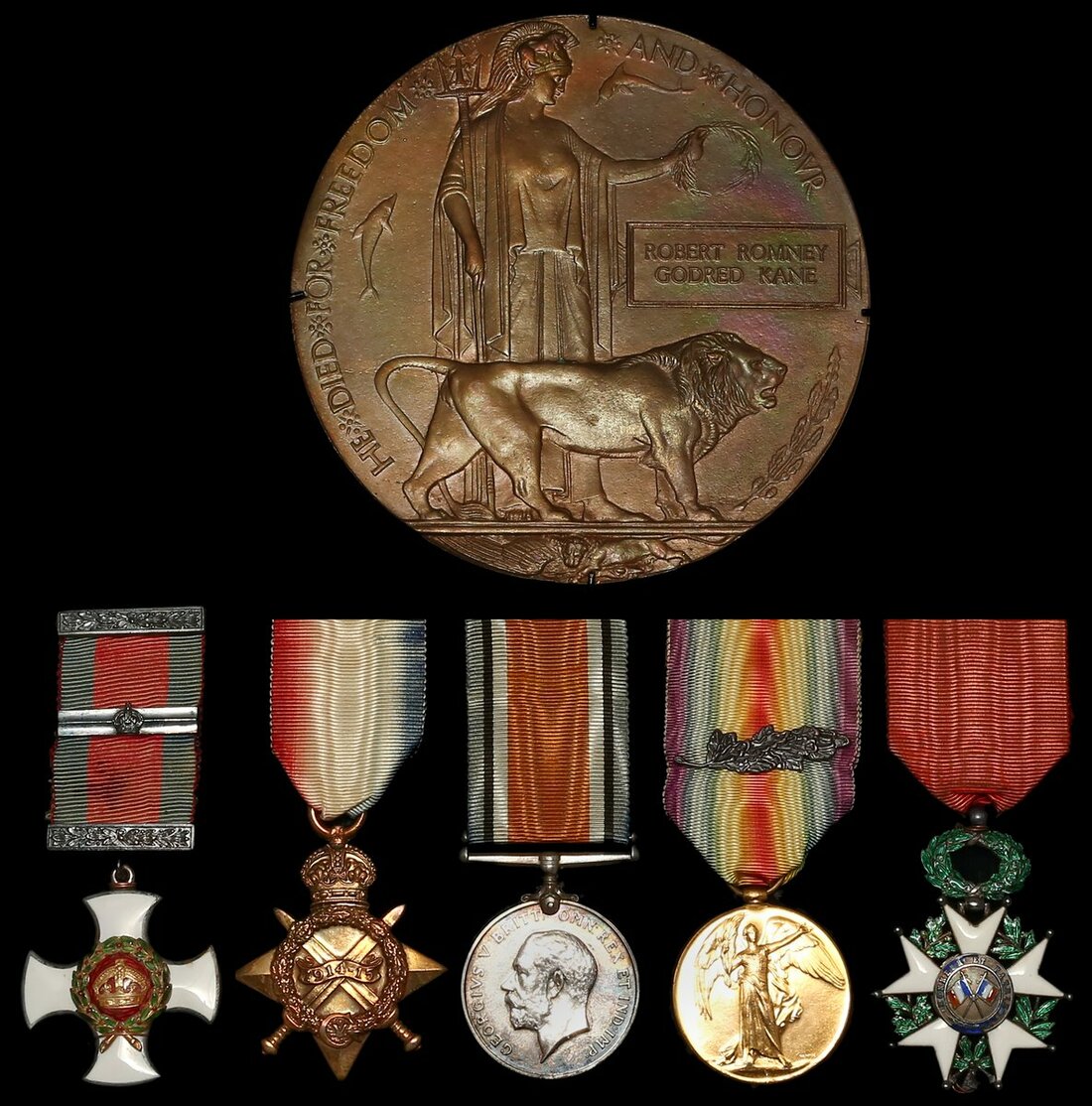
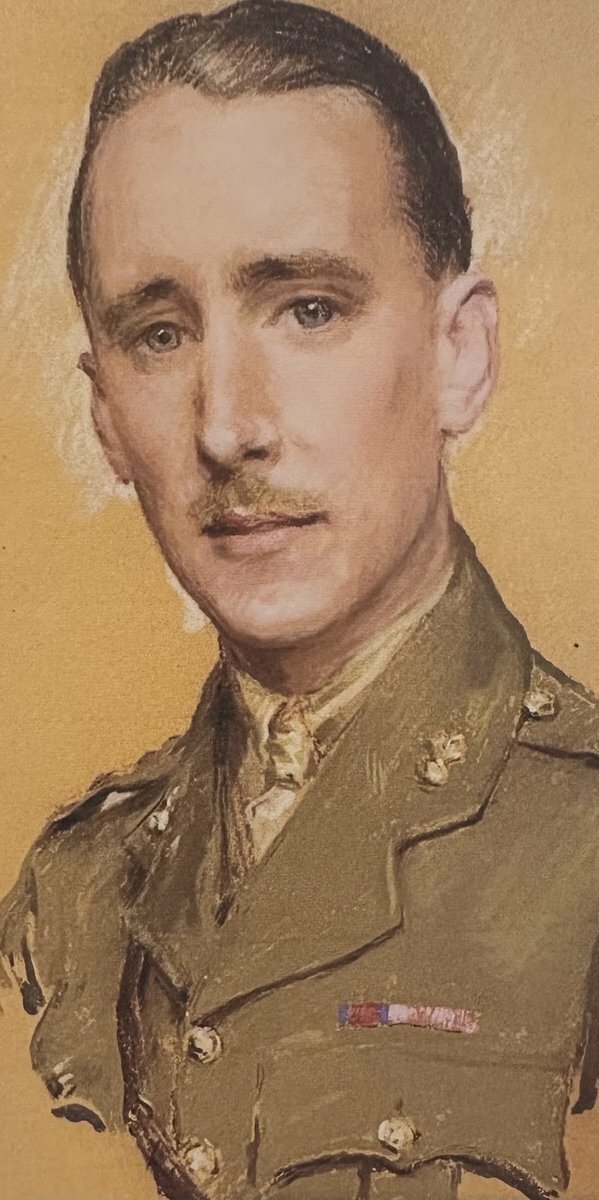
A noteable and well-documented 'Gallipoli 1915' D.S.O. and 'Cambrai 1918' Second Award Bar group of six awarded to Lieutenant-Colonel R. R. G. Kane, 1st Battalion, Royal Munster Fusiliers
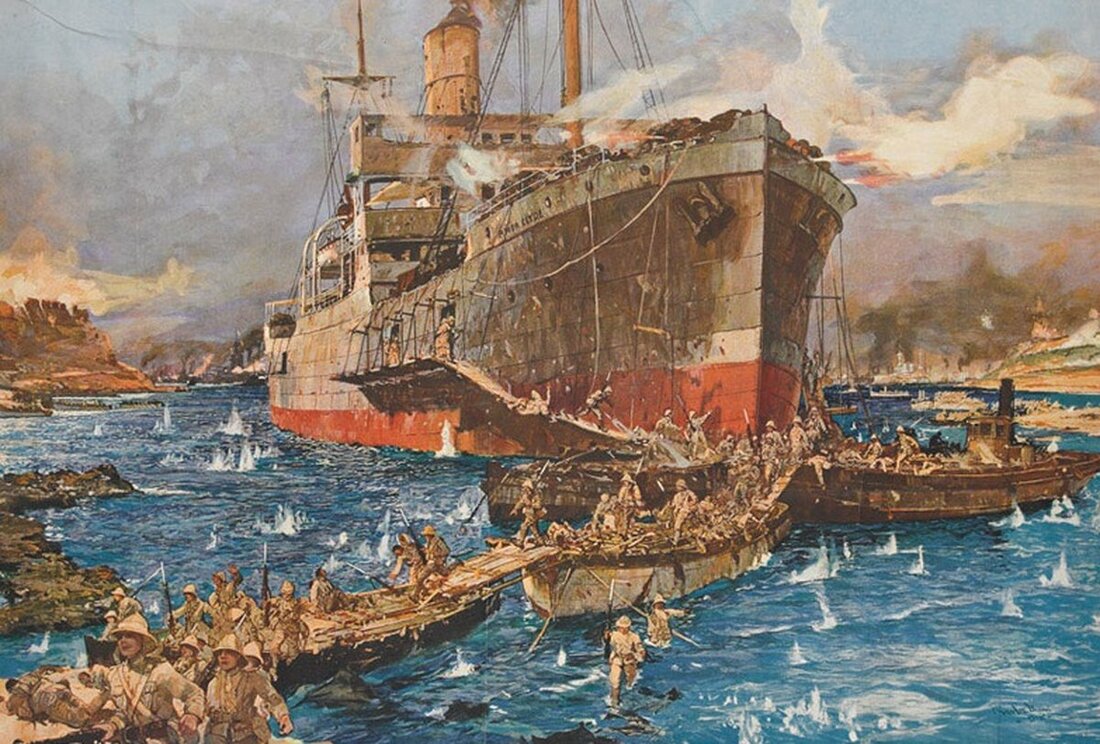
A pre-War Regular, Kane landed with his unit - and was wounded - in the bloody affair after having landed on 'V' Beach from the River Clyde on 25 April 1915, taking his first decoration, a 'mention', the Legion of Honour, and another wound for his troubles during the actions in the Dardanelles; elevated to the command of his Battalion, he would be mortally wounded on 30 September 1918 in the act of taking the Second Award Bar to his D.S.O. whilst putting in a headlong attack to the enemy at Proville
Distinguished Service Order, G.V.R., with Second Award Bar, silver-gilt and enamel; 1914-15 Star (Capt. R. R. G. Kane. R. Mun. Fus.); British War and Victory Medals, with M.I.D. oak leaves (Lt. Col. R. R. G. Kane.); France, Republic, Legion of Honour, breast Badge; Great War Bronze Memorial Plaque (Robert Romney Godred Kane), housed in a glazed frame, good very fine (6)
Provenance:
Sotheby's, April 1981, when offered on behalf of the family.
D.S.O. London Gazette 8 November 1915:
'For distinguished service in the field during the operations at Dardanelles.'
Second Award Bar to D.S.O. London Gazette 1 January 1919.
French Legion of Honour London Gazette 9 October 1915 (Gallipoli), and 18 April 1916 - an unusual instance of this award being made twice.
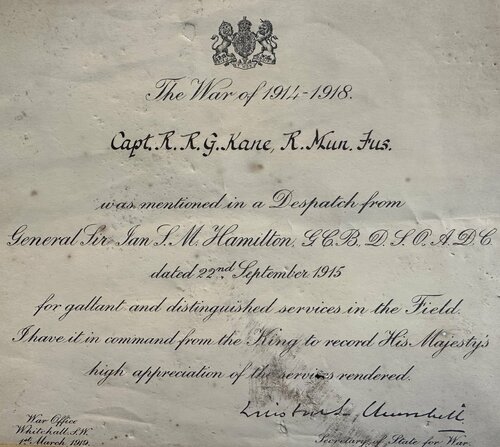
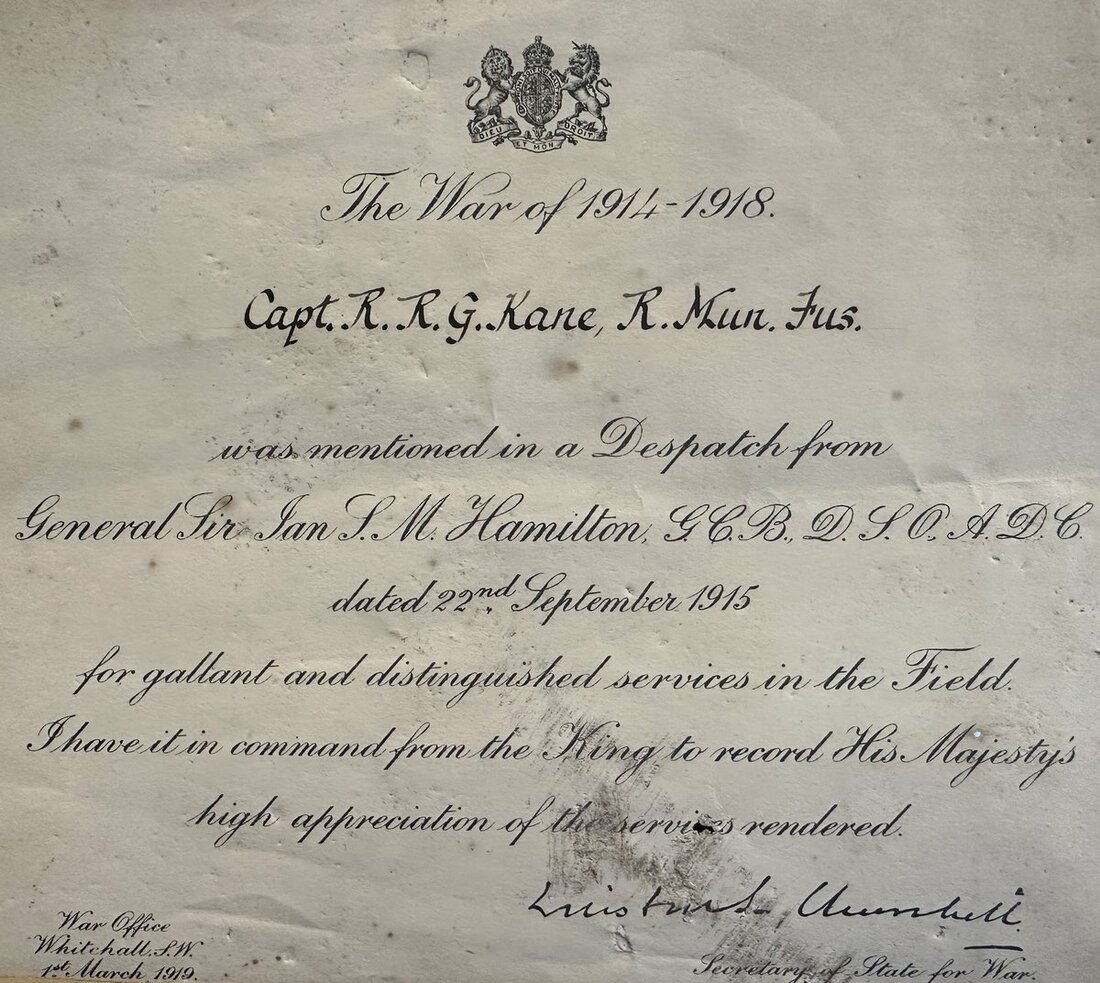
M.I.D. London Gazette 22 September 1915 (Gallipoli).
Robert Romney Godred Kane was born on 11 October 1888 at Dublin, the son of Judge Robert Kane of Fitzwilliam Place and a nephew of the famous blind Jesuit, Father Kane. Having been commissioned 2nd Lieutenant into the 1st Battalion, Royal Munster Fusiliers in September 1908 and was advanced Lieutenant in March 1910. The Battalion were stationed in Rangoon, Burma, as part of the Imperial Garrison, but also divided between smaller units posted around islands in the Indian Ocean. Whilst in Burma, Kane was arranged to be married in 1913.
With the outbreak of the Great War, Kane was advanced Captain in November 1914. As part of the policy of recalling Regular units, the Battalion returned to Britain to reinforce the British Expeditionary Force. Arriving in January 1915, they joined the 86th Brigade at Coventry, as part of the 29th Division. At the time the 29th Division was Britain's only Reserve ready for action. Kane was duly appointed Battalion Machine-Gun Officer in February 1915.
Gallipoli - River Clyde
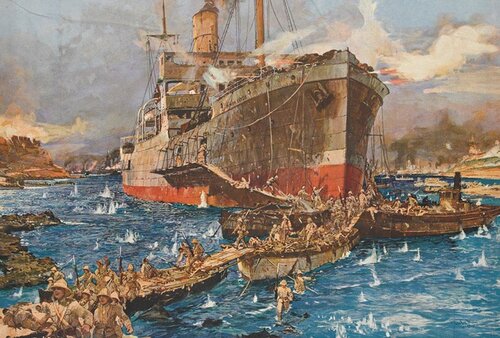
Kane and his comrades, under Lieutenant-Colonel Doughty-Wylie, were embarked for the Gallipoli landings. The naval V.C.-winning exploits that were enacted around the River Clyde during the landings at ‘V’ beach at Cape Helles on 25 April 1915 have rightly secured a place in the annals of British military history. However, from the Army’s point of the view it was the 1st Battalion, Royal Munster Fusiliers who bore the brunt of the murderous enemy fire that swept the beach during and after disembarkation - over 70% of the three Munster Companies to emerge from the sallyports cut in the side of the River Clyde became casualties. That the survivors, raked by machine-gun fire, somehow managed to cling on to the beach and then advance the following day has been described as ‘one of the most glorious tales of the Dardanelles’.
As 25 April began, River Clyde was beached near the village of Sedd-El-Bahr a little after 6am. The Munsters suffered heavy casualties from machine-guns and snipers, with many men drowning. The remnants took cover under a low sand bank. The landing was suspended and the Battalion was only able to land fully later that evening after dark. Overnight, elements of the battalion advanced in conjunction with the 2nd Hampshires but were soon forced to fall back. However, by 8am on the 26th, ‘Old Castle’ had been occupied and the advance through the village commenced. It was occupied despite heavy sniper fire and by 3pm the assault on Hill 141 commenced. This was captured by 4pm and by 5pm troops were taking up outpost positions extending from the left of ‘Y’ Beach to the right of Hill 141.
Kane, along with nine other Officers were wounded, with Major Jarrett, Lieutenant Pollard and Sergeant-Major Bennett being killed in action. Returned to his duties, Kane was not out of the firing line for long and in mid-July he was reported as wounded in action for the second time.
The battalion had moved up to the front line again on 4 May and on the 7th made an advance of 200 yards. A night attack was made early in the morning of the 9th and an advance of 500 yards made before enfilading fire made the position untenable and they were forced to retire. By 11 May the battalion had been reduced to 379 officers and men. Having received some reinforcements, 28 June saw the battalion attack on Bruce’s Ravine and further casualties mounting to some 159 in killed, wounded and missing. 5 July saw a heavy Turkish counter-attack while the battalion was in the Worcester Flat Trenches, which was successfully beaten off. On 16 July the survivors of the battalion were taken off from ‘Y’ Beach aboard H.M.T.B.D. Savage and headed for Mudros, only to return to ‘V’ Beach on the 21st.
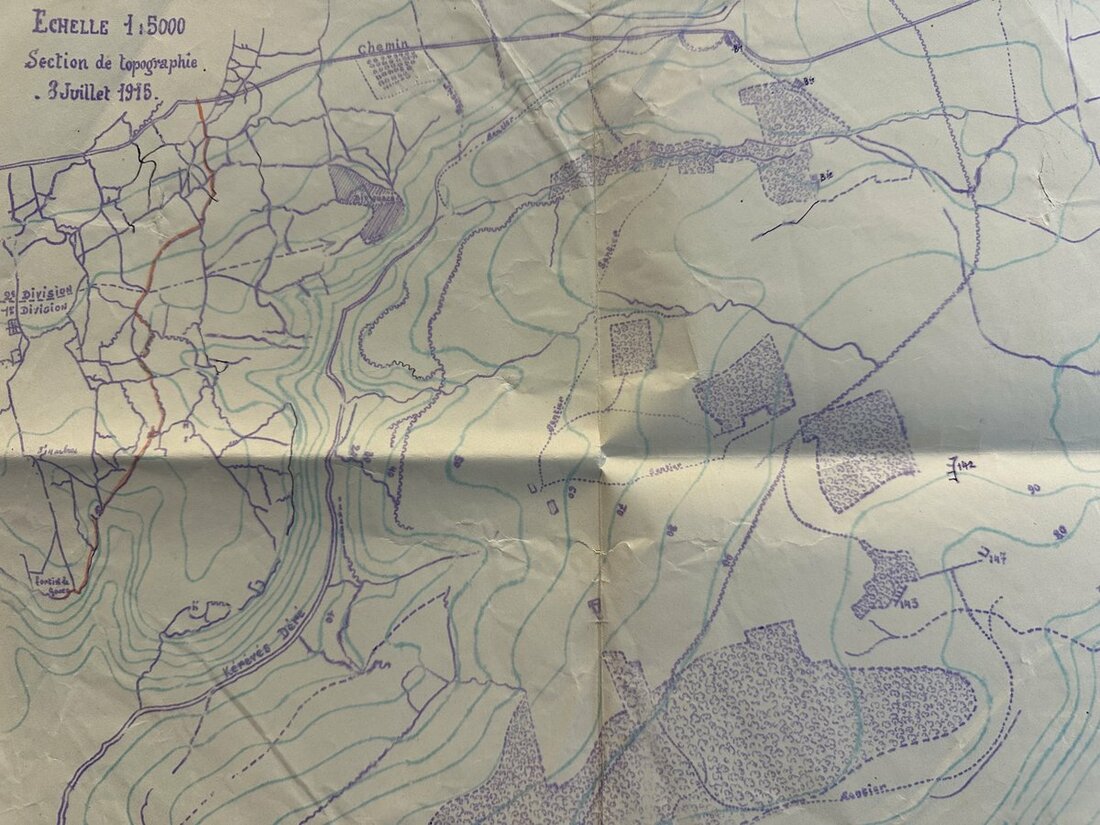
Appointed as Liaison Officer to the French Corps in the Dardanelles before the evacuation, Kane took a D.S.O., French Legion of Honour and a 'mention' for his troubles.
Western Front - double D.S.O.
Advanced Major in November 1917, Kane assumed command of the unit in February 1918. He was to lead them into the costly actions of the Battle of Cambrai in late September 1918. He was to earn his second D.S.O. at the cost of his life at Proville. Extracts from the War Diary of 1st Battalion, Royal Munster Fusiliers, written by Major Nightingale, state:
'27 September 1918
The Bn attacked across the open and advanced about 3000 yds and were finally held up in front of CANTAING village, partly by Machine Gun fire and partly by our own artillery barrage, which had not lifted sufficiently to allow our men to gain a footing in the village. The Bn remained where it was during the night.
28 September 1918
Cooperation having been made with the artillery, a barrage was put down in the morning and the Bn captured the village of CANTAING, and troops of another Bn went through them. The Bn remained in CANTAING village.
29 September 1918
Orders were received that the Bn was to proceed forward from CANTAING the following day and recapture part of the outskirts of CAMBRAI.
30 September 1918
5.30am The Bn moved forward crossing the St.Quentin canal and moving in artillery formation towards the objective. The Bn was held up by machine gun fire from PROVILLE.
12.00 Noon With the help of artillery barrage, the Bn was able to move forward and took up a line of post in the suburb of PROVILLE, on the outskirts of CAMBRAI. After this operation the Bn numbered about 10 officers and 150 other ranks - at 1.30pm Lt Col Kane was mortally wounded endeavouring to reorganise some detached parties of men and head them into the attack.'
Rendered unconscious with a mortal wound from machine gun fire to the skull, he was given his final sacraments by Father Dominic Devas in an Advanced Dressing Station in a ruined farmhouse a few hundred yards from the front line. Transferred via ambulance to a Casualty Clearing Station at Fontaine-Notre-Dame, he died - just a few days shy of his 30th birthday - on 1 October 1918 and is buried in the Sunken Road Cemetery. He is buried close to Sergeant F. A. Godfrey, D.C.M. and Bar, M.M., who also won his Bar in this final action (Medals sold in these Rooms in April 2024).
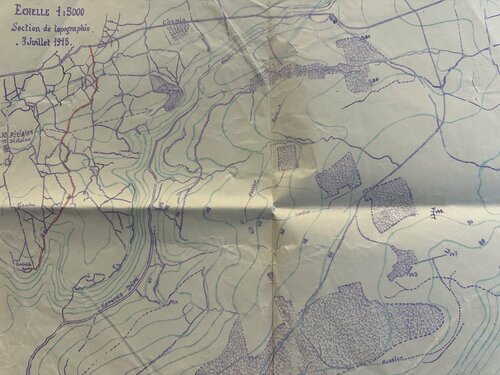
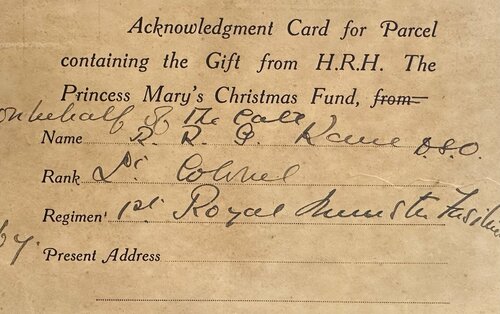
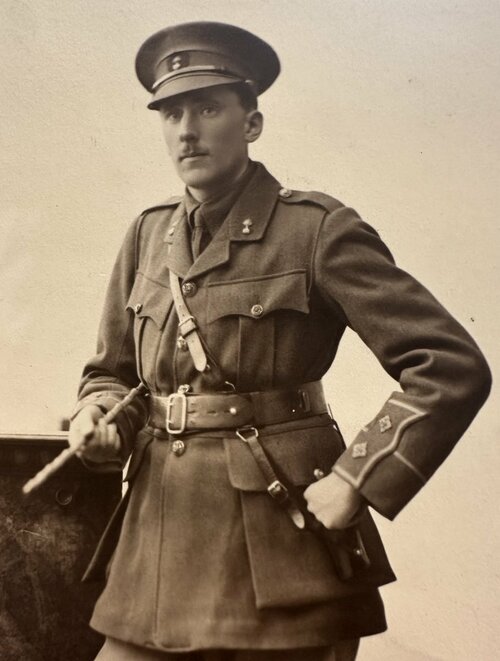
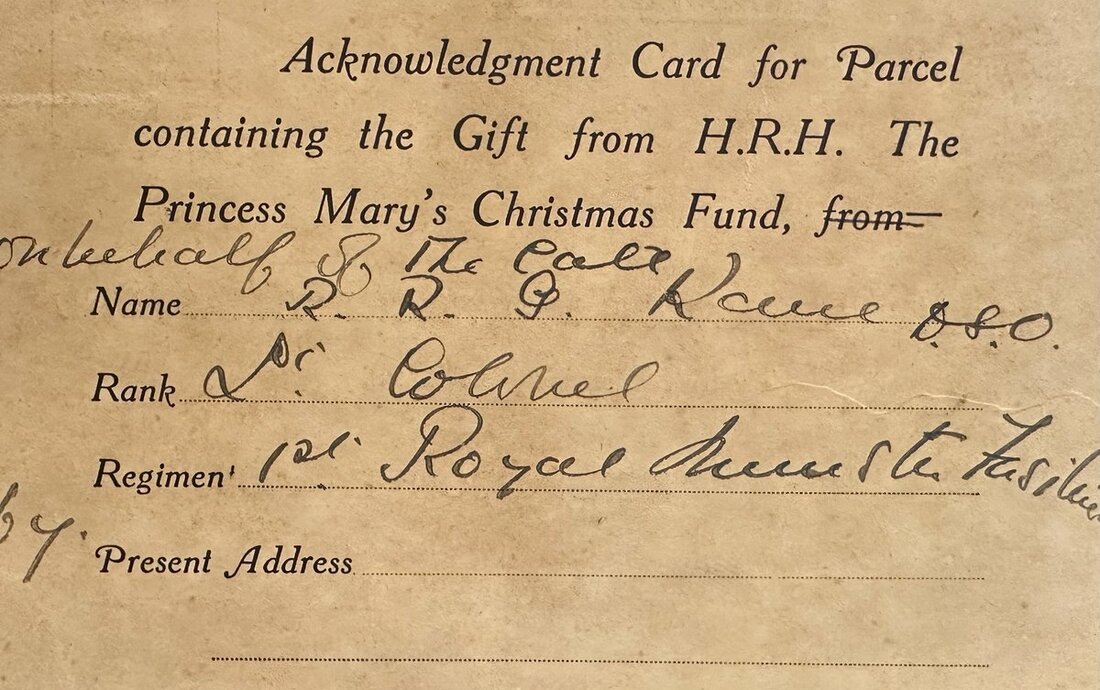
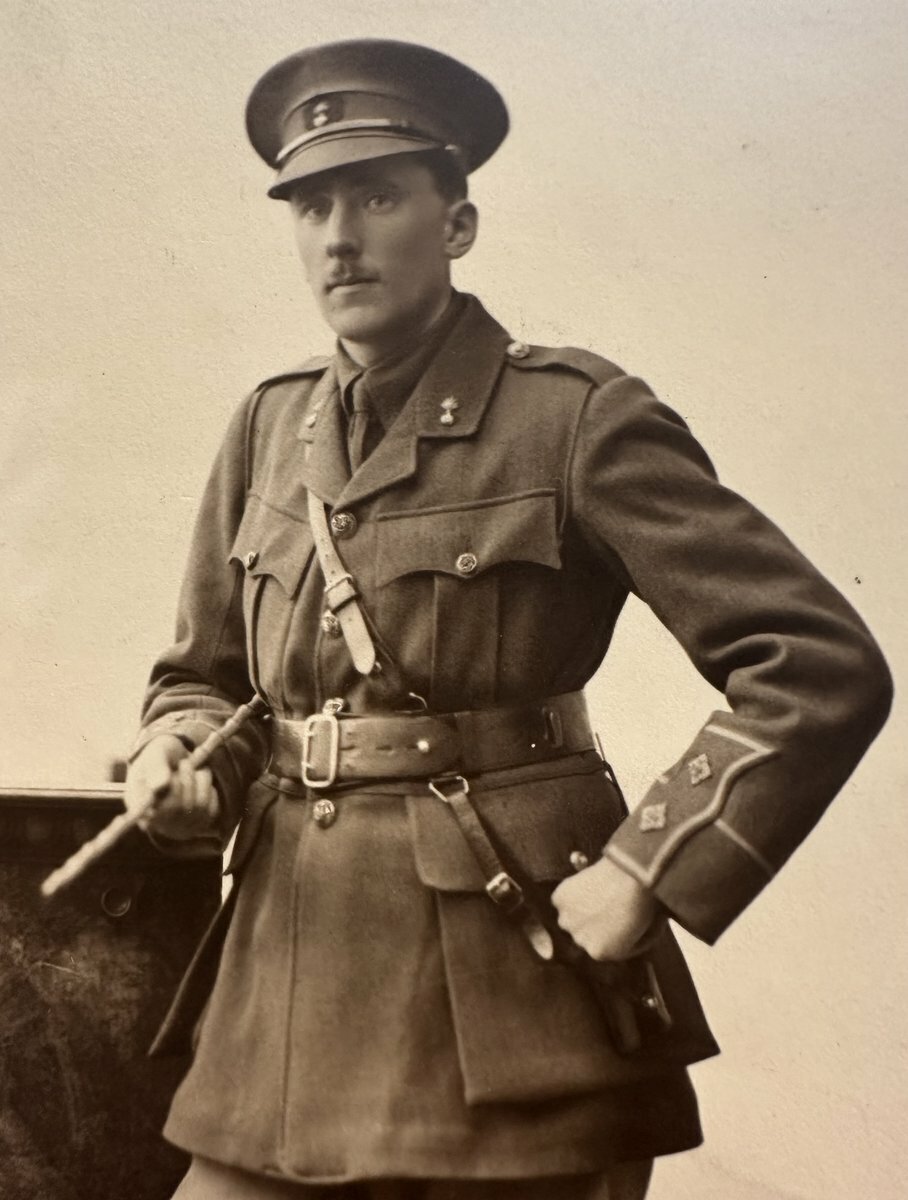
Sold together with bestowal document for the D.S.O., Mention in Despatches certificate dated 22 September 1915, Legion of Honour Certificate dated 25 September 1915, a selection of French Intelligence and Reports from Gallipoli, including some marked 'SECRET', French maps of Gallipoli, series of Messages and Signals in his hand to the Royal Naval Division, portrait photograph, besides newspaper cuttings and research.
Subject to 20% VAT on Buyer’s Premium. For more information please view Terms and Conditions for Buyers.
Estimate
£6,000 to £8,000
Starting price
£5500

Watch, listen and bid as if you were in the room. Now available for auctions worldwide.
Click here to bid live
An exclusive and confidential service for the discerning collector or vendor.
View the Gallery
Download every Spink catalogue on your iPad, iPod or iPhone using free Spink app.
Download From iTunes© 2026 Spink & Son. All rights reserved.