
Auction: 26002 - Orders, Decorations and Medals
Lot: 193
'Brixmis (the British Commanders’-in-Chief Mission to the Soviet Forces in Germany) is one of the least-known elite spying units of the British Army.
They were dropped in behind"enemy lines" ten months after the Second World War had ended and remained operating their intelligence-gathering missions until October 1990 and then covertly until 1993, long after the fall of the Berlin Wall in November 1989.
During this period, Berlin was a hotbed of spying between East and West. Brixmis was established as a legitimate channel of communication between the Red Army and the British Army on the Rhine. Its "clean status" made Brixmis a key part of the Cold War. However, their missions were concealed by their diplomatic and liaison role and they acted behind the shadows to "steal" advanced Soviet equipment and penetrate top-secret training areas.'
Dr Steve Gibson, author of BRIXMIS - The Last Cold War Mission
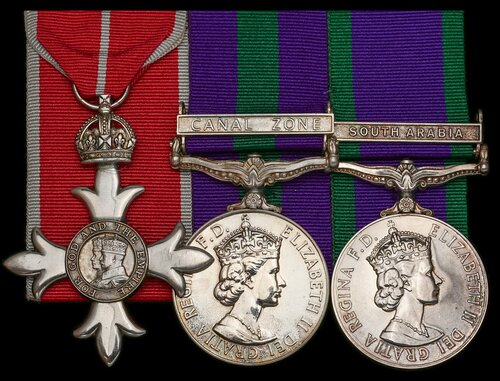
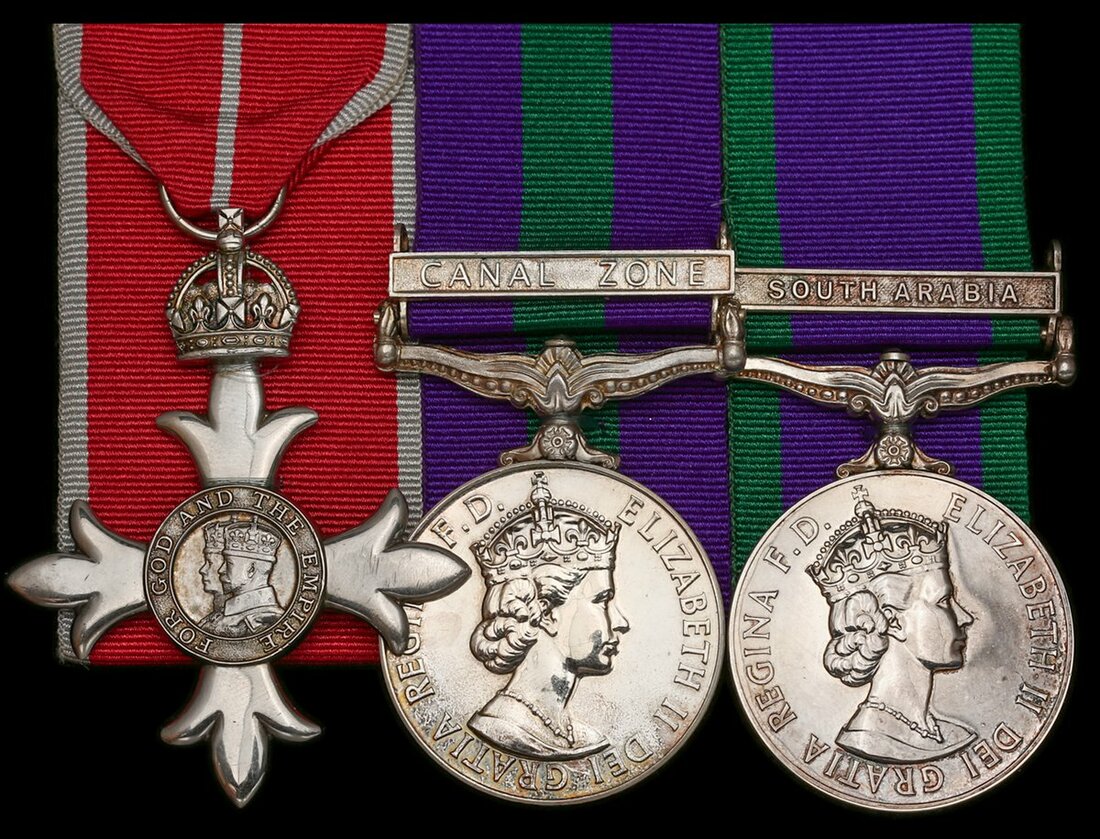
The Cold War BRIXMIS M.B.E. group of three awarded to Colonel J. O'R. Bassett, The Sherwood Foresters (Nottinghamshire and Derbyshire Regiment) and Royal Army Ordnance Corps, a skilled operative who was decorated for his fine work from 1973-75 in Berlin as Unit Security Officer of Mission & Administration Officer, and may well have gone on active patrols into East Germany
The Most Excellent Order of the British Empire, Military Division, Member's (M.B.E.) breast Badge, 2nd Type, silver; General Service 1918-62, 1 clasp, Canal Zone (Lt J M O'R Bassett Foresters), 1st issue with officially impressed naming; General Service 1962-2007, 1 clasp, South Arabia (Major J. M. O'R. Bassett. RAOC.), mounted court style as worn, good very fine (3)
M.B.E. London Gazette 1 January 1976. The original recommendation by Brigadier Harrod, Chief of Mission, BRIXMIS, for Berlin and covering the period April 1973-July 1975, gives interesting details but leaves plenty of room for the reader to interpret the 'extra-curricular' requirements, and states:
'Major Bassett has been Administration Officer of the British Commander-in-Chief's Mission (BRIXMIS) to the Soviet Forces in Germany since April 1973.
The duties of this post range far beyond those normally associated with the administration of a small [Special Forces/Intelligence] unit, and in particular demand very long hours of work every day of the week, which he has cheerfully and willingly undertaken. He is concerned with the control of a large number of highly sensitive stores and the operation of an unusual and complicated imprest account. In both of these responsibilities he has set and achieved a standard far beyond what could normally be expected.
In addition, as Unit Security Officer of a Mission responsible for constant tours in the hostile environment of East Germany, he has shown outstanding qualities of tact and firmness when dealing with superiors and subordinates which have ensured that the results of the Mission's work have been properly secured...
In addition to his very full list of duties he has found time to take part in a wide range of extramural activities, in all of which he has had dealings with the Berlin population...'
John O'Reilly Bassett was born at King's Lynn, Norfolk in August 1930. Educated at a convent school and then Chesterfield Grammar, he was commissioned 2nd Lieutenant into The Foreseters in September 1949. He saw active service in the Canal Zone with the 2nd Battalion before transferring to the Royal Army Ordnance Corps in August 1956, when his unit was disbanded. Retired as Lieutenant-Colonel in August 1981, he reverted to Lieutenant to assist the Cheshire Army Cadet Force and was the Army Careers Officer for Derbyshire until November 1987. Bassett reverted to Lieutenant-Colonel and granted the rank of Colonel.
BRIXMIS
The Imperial War Museum gives good detail, for they hold an archive of unpublished photographs of this famous unit:
'At the end of the Second World War Germany was divided into four Occupation Zones, governed by either Britain, the Soviet Union, the United States or France. An agreement provided for the exchange of Military Liaison Missions between the respective Occupation Zones. The liaison staff were granted freedom of travel within the other zones, except for certain restricted areas.
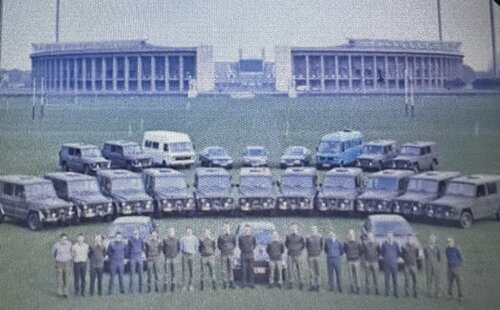
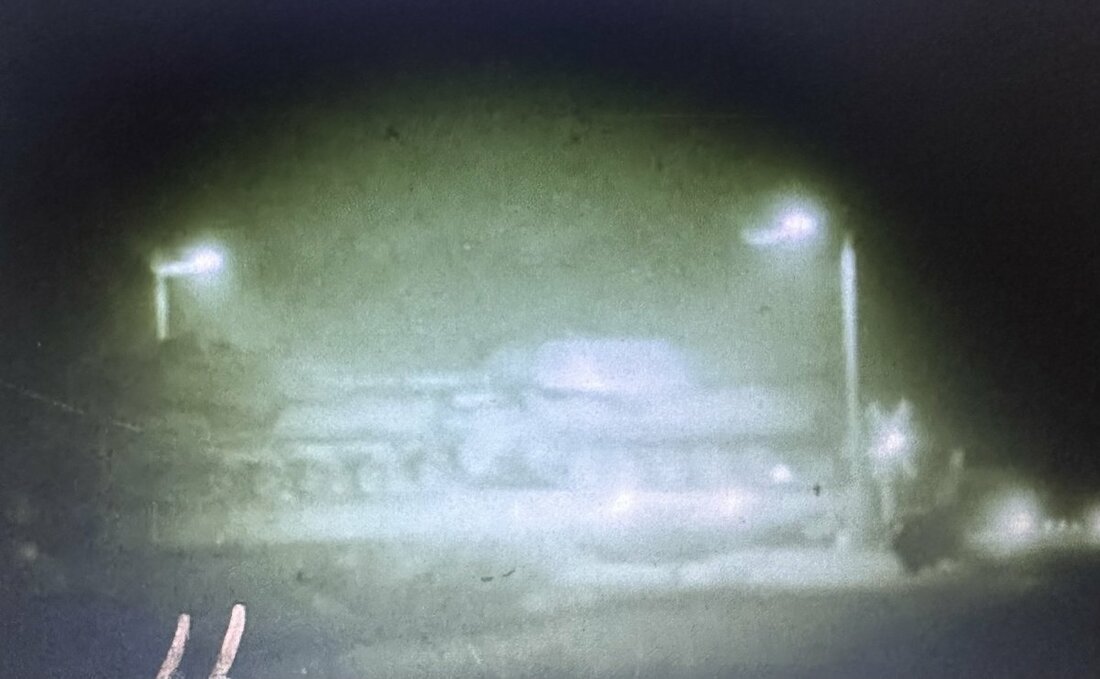
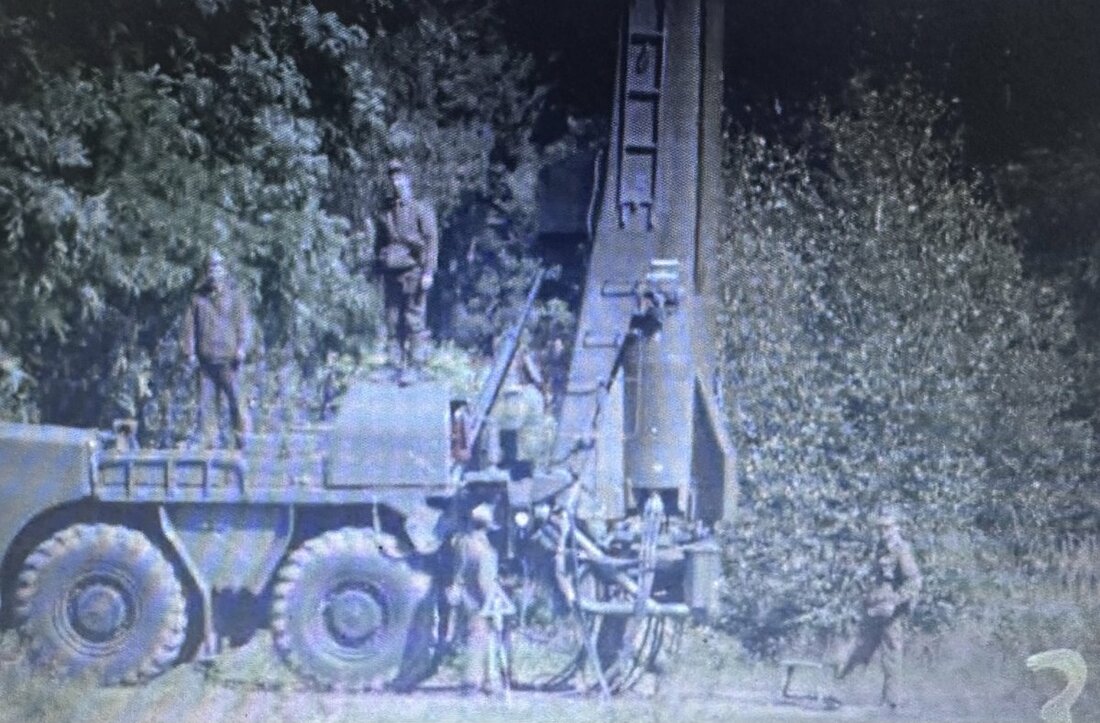
The British Mission was known as The British Commanders’-in-Chief-Mission to the Soviet Forces in Germany (BRIXMIS). They used their role to gather military intelligence, overtly and covertly, which proved invaluable to the British Armed Forces and to NATO. Their unique position, behind the Iron Curtain, put BRIXMIS in a remarkable position to collect intelligence on the exercises, equipment, weaponry and daily operations of Soviet and East German forces, in order to assess Soviet capabilities and intentions.
BRIXMIS intelligence gathering operated 365 days a year, for over forty years during the Cold War. Tour teams would usually consist of 3 members: an officer, an NCO (Non-commissioned officer) and a driver. Their role included photographing anything of interest, often from the inside of their ‘tour cars’ as they drove around East Germany. They would covertly enter the ‘restricted zones’, where it was assumed the most valuable intelligence could be gained. Soviet forces would obstruct BRIXMIS activity through harassment, detainment and even ramming BRIXMIS cars off the road.
All the Military Liaison Missions were used to gather intelligence in their respective zones, including the Soviet Mission (SOXMIS). This created a degree of transparency in occupied Germany that helped reduce international tension. BRIXMIS photographs uniquely record the British perspective of the demobilisation and removal of Soviet troops in East Germany between 1989 and 1990.'
The National Army Museum also holds the Medals of 'Tony' Haw, another decorated member of BRIXMIS, and hosted Dr Steve Gibson who published his fine work on the exploits of the unit. The cataloguer also commends the website https://stories.forcesnews.com/brixmis/.
Given the careful penning of the recommendation for Bassett and the wide-ranging requirements of their operatives, it might be fair to assume he stepped into an operational role during his tour of duty.
Subject to 20% VAT on Buyer’s Premium. For more information please view Terms and Conditions for Buyers.
Estimate
£600 to £800
Starting price
£480
Watch, listen and bid as if you were in the room. Now available for auctions worldwide.
Click here to bid live
An exclusive and confidential service for the discerning collector or vendor.
View the Gallery
Download every Spink catalogue on your iPad, iPod or iPhone using free Spink app.
Download From iTunes© 2026 Spink & Son. All rights reserved.