Auction: 25113 - Orders, Decorations and Medals - e-Auction
Lot: 563
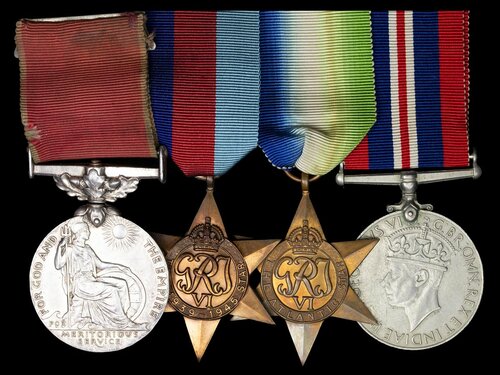
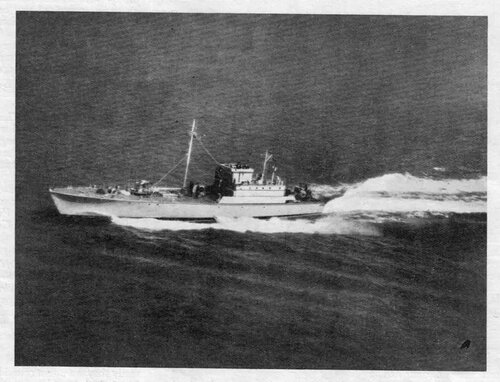
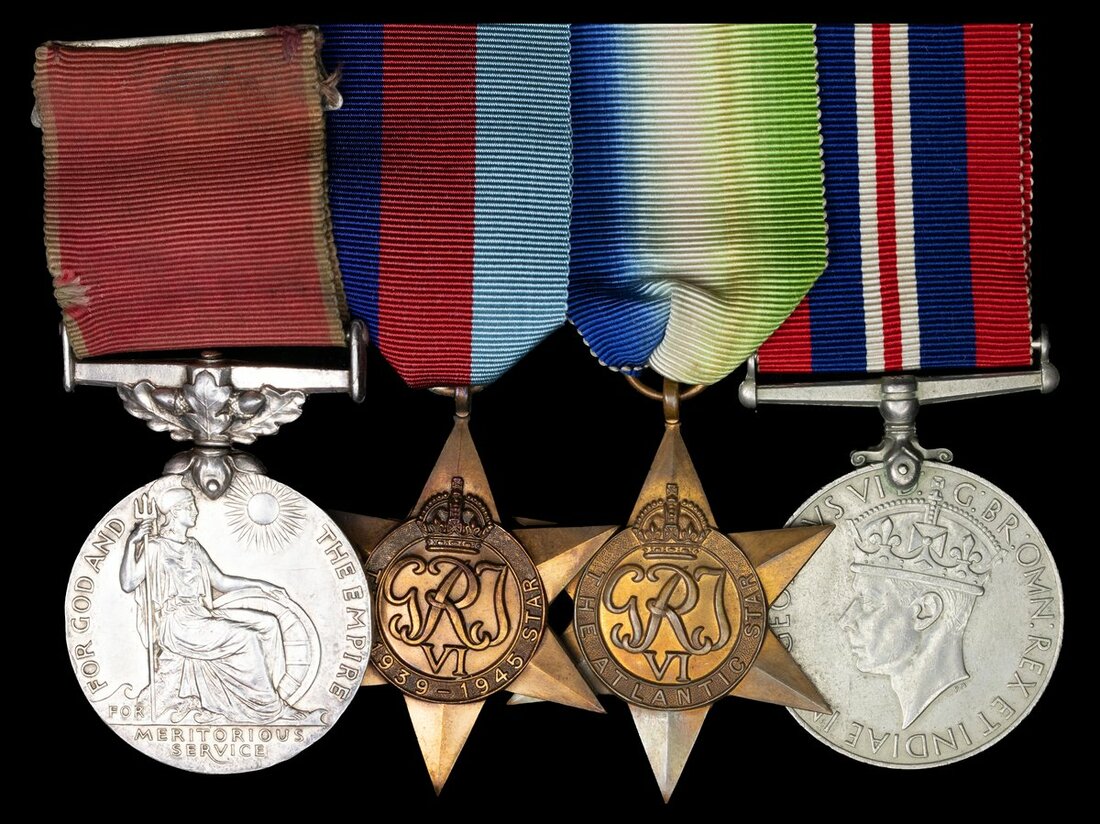
The Second World War 'Operation Bridford' B.E.M. group of four awarded to Seaman J. Dolan, Merchant Navy, the for top-secret, blockade running and most risky enterprise undertaken in a modified Motor Gun Boat to collect valuable steel and ball bearings from Sweden
British Empire Medal, G.VI.R. (James Dolan), on its investiture pin; 1939-45 Star; Atlantic Star, clasp, France and Germany; War Medal 1939-45, in their named box of issue and with torn enclosure dated March 1968, very fine (4)
B.E.M. London Gazette 22 February 1944:
'For gallantry and initiative in hazardous circumstances.'
The award of 2 M.B.E.'s and 4 B.E.M.'s to the Gay Viking & Hopewell were covered under a MOST SECRET Ministry of War Transport letter of 9 February 1944, which notes Dolan as one of the six men to be decorated following '...services rendered of a secret nature' and the fact his vessel had then made '...a second round voyage with great success.'
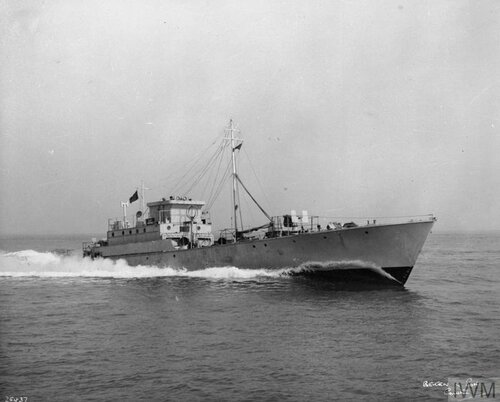
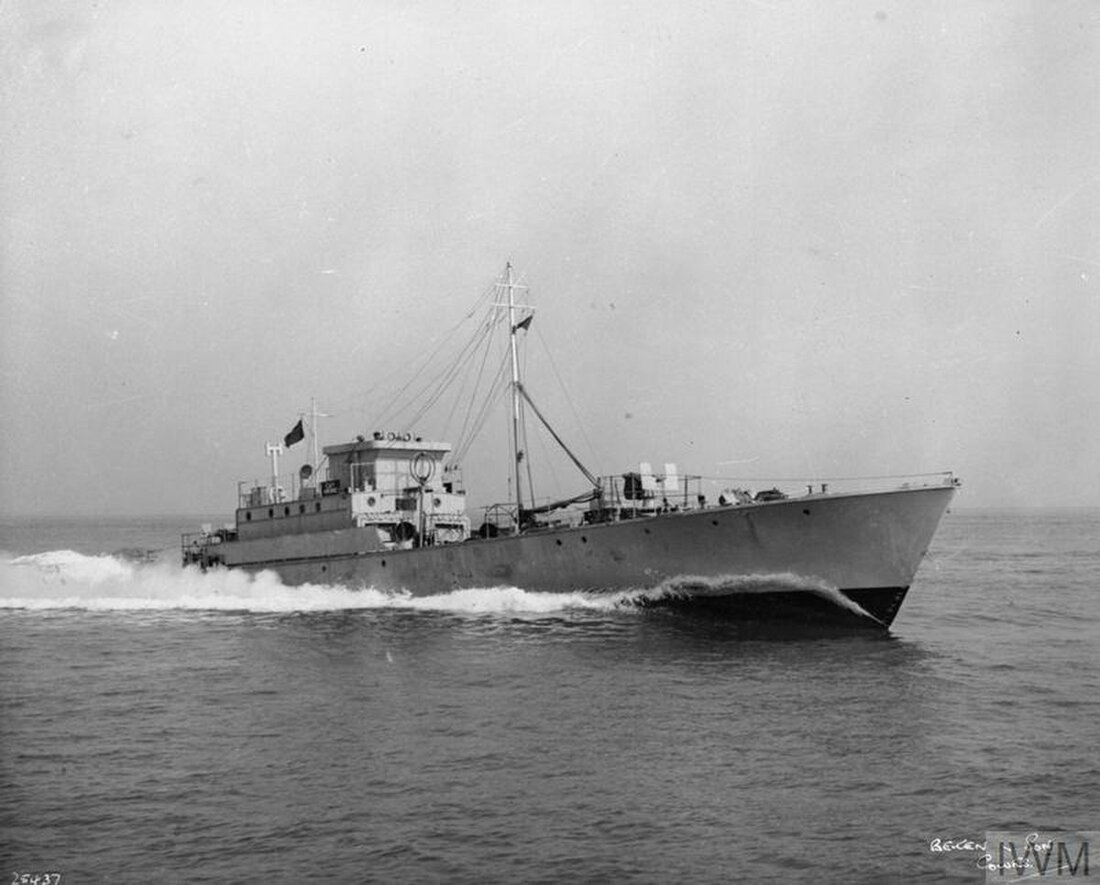
James Dolan was born at Hull in September 1922 and was a volunteer from the Ellerman's Wilson Line. His B.E.M. is noted in Seedie's as 'OP BRIDFORD'. His vessel was originally intended to go afloat as Motor Gun Boat 506 but she was instead used as a blockade runner with a complement of 21.
Dolan subsequently volunteered for Operation ‘Bridford’, part of an ongoing top-secret programme devised by Commander Sir George Binney, D.S.O., R.N.V.R., to ferry supplies of ball bearings and special steels, as well as occasional ‘passengers’, from Sweden to the U.K. The story of ‘Bridford’ and its predecessor operations is recounted in On Hazardous Service, by A. Cecil Hampshire, and a fascinating story it makes, for as Binney himself concluded:
‘Each trip in the running of this closely guarded Axis blockade has, of course, involved the dangerous sea passage through the Skagerrak and Kattegat between the enemy-occupied countries of Norway and Denmark … The operations owed their success to a combination of careful planning, courage, bluff and grand seamanship and sometimes perhaps there was an element of good luck.’
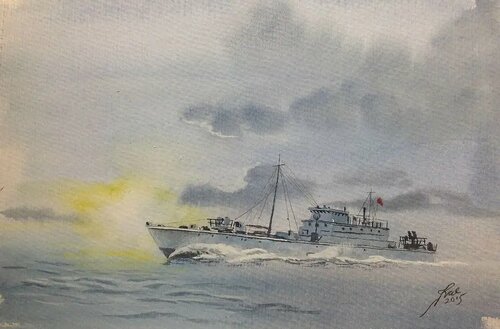
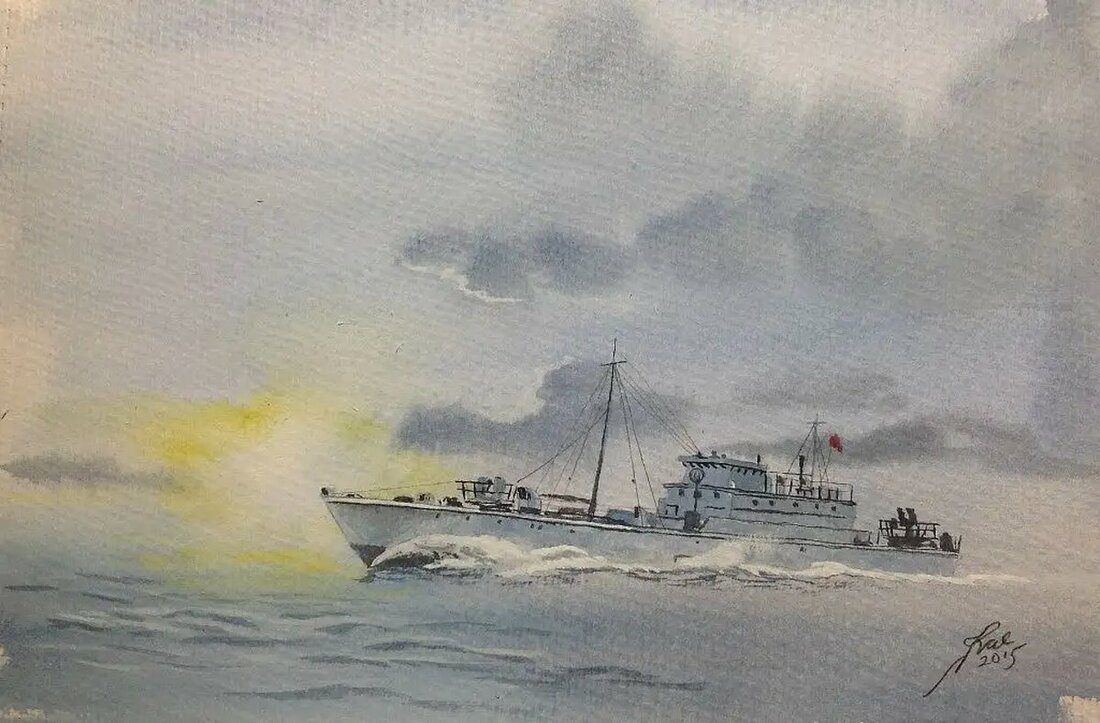
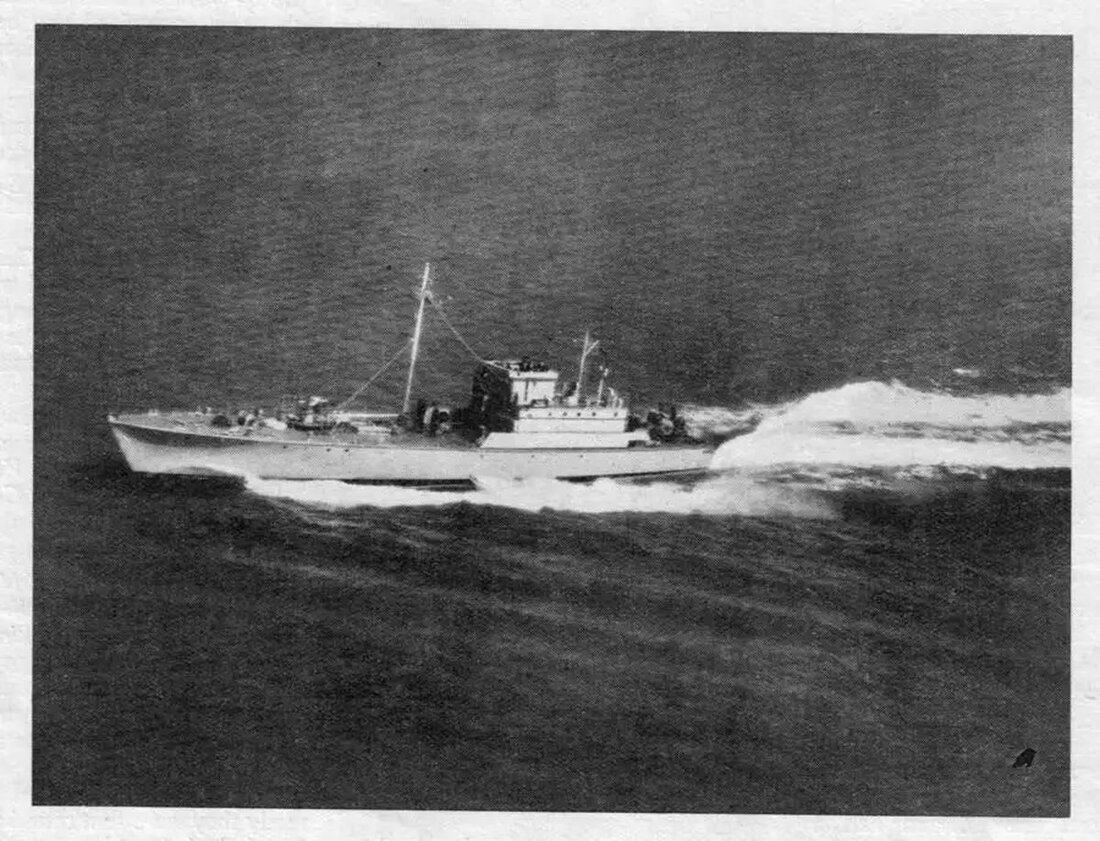
Binney managed to get hold of five Motor Gun Boats (M.G.Bs) for Operation ‘Bridford’. The boats, built by Camper and Nicholson, were 117-feet long and had three diesel engines which could produce a cruising speed of about 20 knots. After some modification, they could take a 45-ton cargo, and they were armed with Oerlikon and Vickers machine-guns. Manned by Merchant Navy volunteers, such as Dolan – and hence flying the Red Ensign, each boat also had an S.O.E.-appointed Chief Officer to oversee the security and defensive arrangements.
Binney named his five modified boats Gay Corsair, Gay Viking, Hopewell, Master Standfast and Nonsuch, thereby adding to the Elizabethan atmosphere of the adventure on which they were engaged. And to add a final touch to that sense of adventure, he ensured that ‘in each Captain’s cabin there was a picture of Sir Francis Drake.’ As it transpired, Master Standfast was captured by the Germans on her very first mission in November 1943, but the remainder of Binney’s flotilla plied back and forth from Hull and Immingham to the small Swedish port of Lysekil until March 1944.
In August 1944 Dolan reported to MV Nonsuch (Binney's boat) for operations and was discharged from Gay Viking in June 1946, therefore it seems almost certain that he participated in Operation 'Moonshine'. He died in Hull in January 1984.
Subject to 20% VAT on Buyer’s Premium. For more information please view Terms and Conditions for Buyers.
Estimate
Starting price
£750

Watch, listen and bid as if you were in the room. Now available for auctions worldwide.
Click here to bid live
An exclusive and confidential service for the discerning collector or vendor.
View the Gallery
Download every Spink catalogue on your iPad, iPod or iPhone using free Spink app.
Download From iTunes© 2026 Spink & Son. All rights reserved.