
Auction: 25113 - Orders, Decorations and Medals - e-Auction
Lot: 561
Sold by Order of the Family
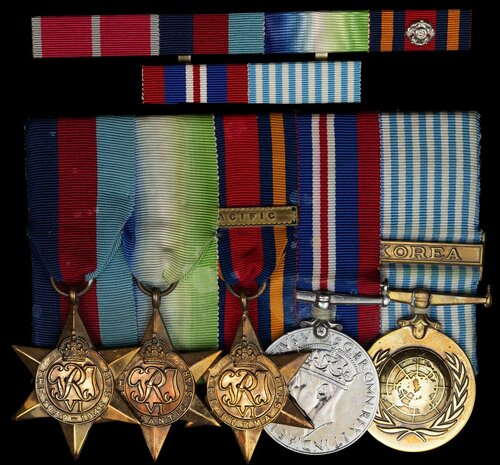
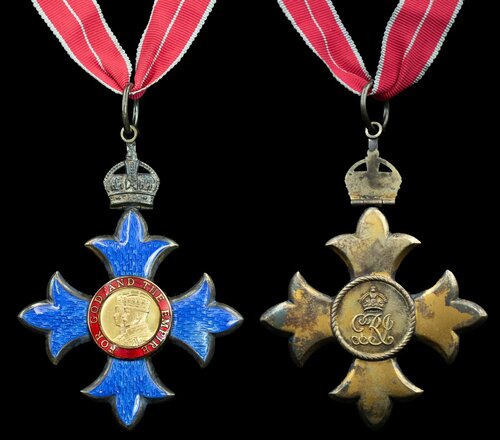
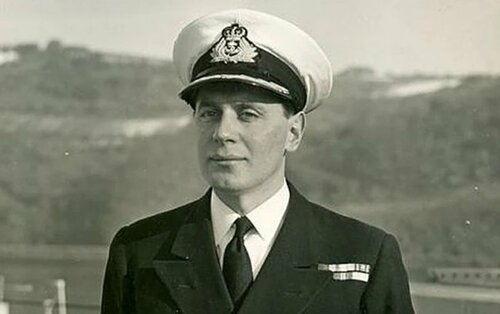
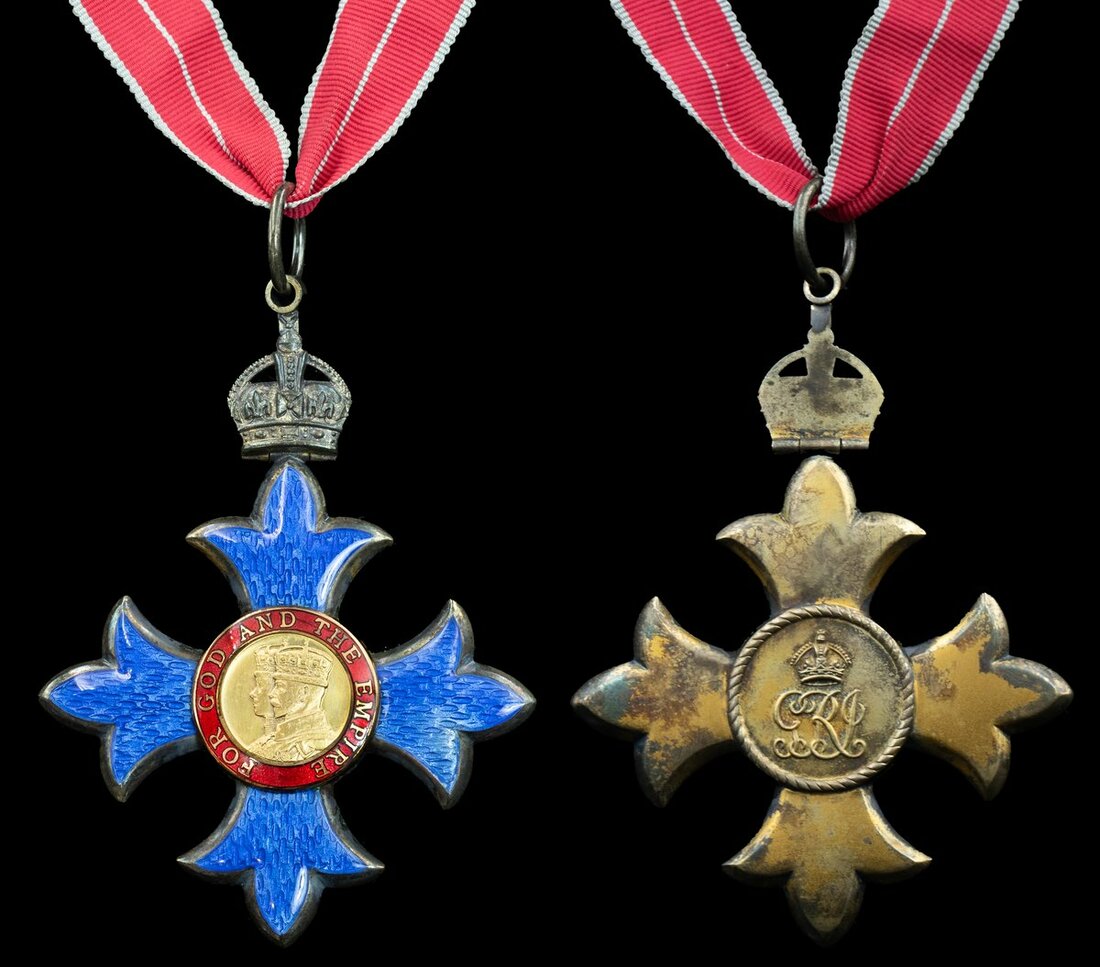
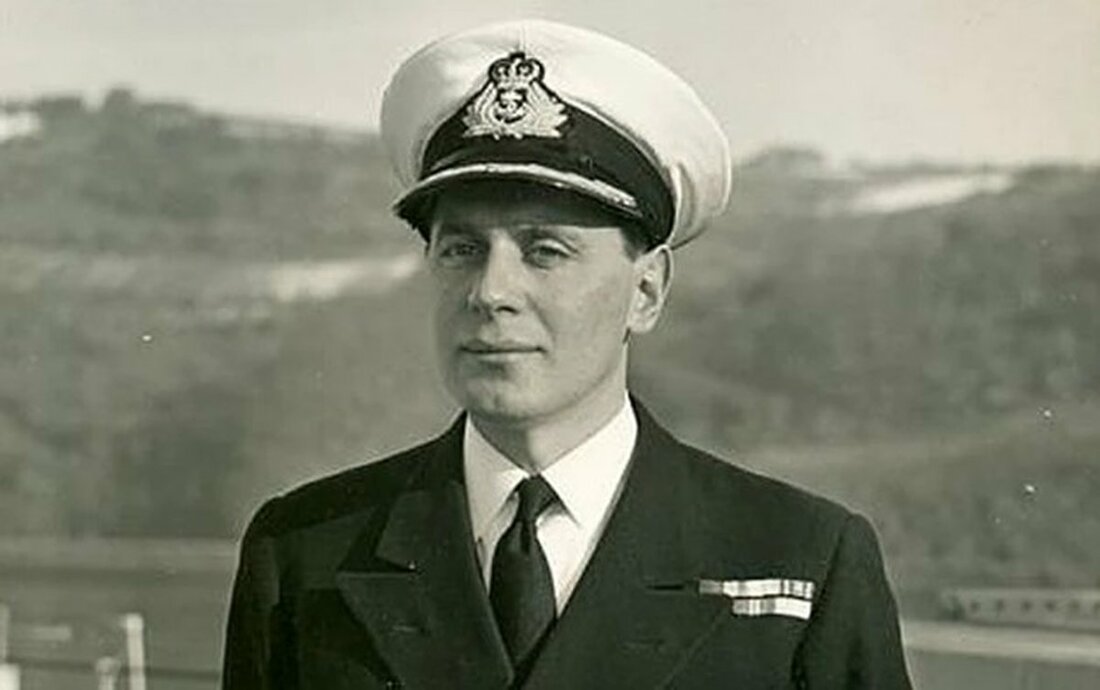
The C.B.E. group of six attributed to Rear-Admiral C.R.P.C. Branson, Royal Navy, who was twice sunk while still a Midshipman, surviving five days in a lifeboat off the coast of Africa only to rise to high rank, commanding the Task Force which evacuated the British and other nationals from Cyprus in 1973
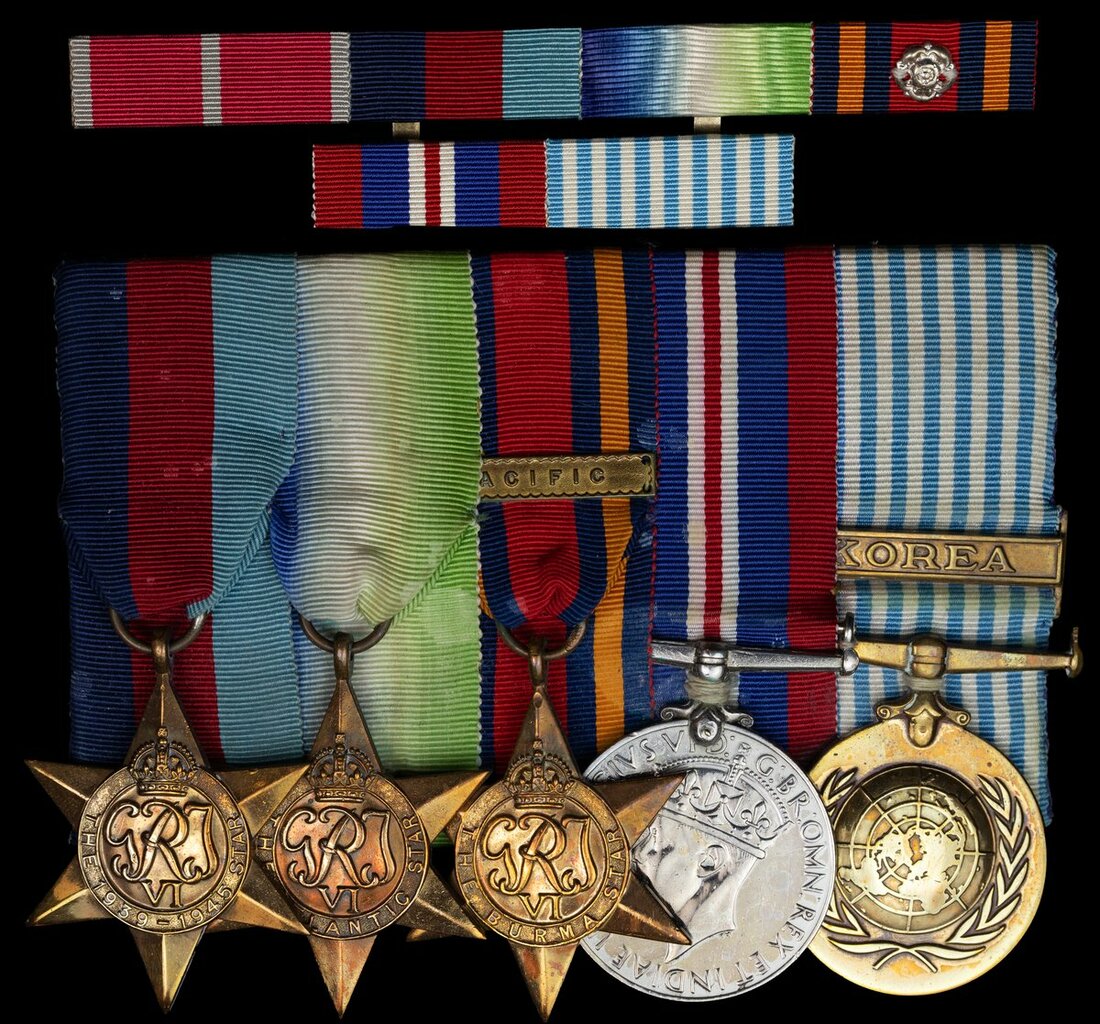
The Most Excellent Order of the British Empire, Commander's (C.B.E.) neck Badge, Military Division, silver-gilt and enamel, in its original Garrard & Co. case of issue; 1939-45 Star; Atlantic Star; Burma Star, clasp, Pacific; War Medal 1939-45; U.N. Korea 1950-54, the last five mounted as worn, sold together with a corresponding riband bar, good very fine (6)
Note, the proceeds of this lot to go to The Seafarers' Charity, formerly the King George's Fund for Sailors of which the recipient was a supporter.
C.B.E. London Gazette 1 January 1975.
Cecil Robert Peter Charles Branson was born at St. Malo, France on 30 March 1924, the son of Marcelle and Commander Cecil Branson, RN. Educated at the Royal Naval College, Dartmouth he was appointed Midshipman on 1 May 1941.
Posted to his first ship, the light cruiser Dragon, Branson boarded the merchant ship Alfred Jones to join her at Freetown, Sierra Leone in June 1941. The merchantman had joined the Convoy OB-320 and steamed ahead for Gibraltar where they dispersed leaving her vulnerable. It was at this point that Alfred Jones was spied by U-107 and her commander Gunter Hessler, one of Germany's 'U-Boat Aces' and Karl Donitz's son in law.
Branson's obituary in The Daily Telegraph refers to the incident, stating:
'Branson was on the bridge and called out a warming as he saw them approach, but at her speed of 9.5 knots Alfred Jones was unable to take avoiding action and was hit by two torpedoes. She immediately listed to port Fourteen crew were lost, but the master, the convoy commodore (retired Vice Admiral George Swabey, CB, DSO), his six staff, 38 crew, four gunners and 12 passengers crowded into two remaining lifeboats on the starboard side. Branson was not impressed, observing that everyone was giving orders and nobody listening.
Meanwhile, Hessler surfaced and fired a fifth torpedo to deliver the coup de grace, and Alfred Jones sank within half an hour, 140 miles from the coast. The survivors were left in a field of flotsam that included aircraft wings that were being ferried to Africa.'
Branson was to spend the next five days upon an overcrowded lifeboat, attempting to treat a wounded engineer who was eventually to die of his wounds. The Commander-in-Chief South Atlantic wrote to the younger Branson's father, himself still a serving officer, to commend his good behaviour. The young Midshipman meanwhile had taken up his appointment with Dragon and joined her escorting a convoy to Singapore.
He was lucky to be with this vessel as she was the last British warship to leave Singapore before its fall to the Japanese in February 1942. Joining the Western Task Force operating from Java she remained there until the Fall of Java the next month whereupon she transferred to Ceylon.
Branson returned to Britain in October aboard the troopship Orcades but was again sunk by another 'U-Boat Ace' Carl Emmermann. The survivors were rescued by the Polish steamship Narwik and dropped them at Cape Town, from where he made his way to Britain.
Sitting his Sub Lieutenant's exams Branson was commissioned on 1 January 1943 specialising in submarines. Joining Forth the submarine deport ship it was not until 1944 that Branson received an active posting, joining Sea Rover in the Far East on 14 February. Her cruise there saw nine Japanese vessels sunk including the gunboat Kosho Maru which they torpedoed at the entrance to Penang Harbour.
During the cruise Branson was promoted Lieutenant on 1 October 1944, his final wartime appointment was with the Unsparing. Continuing to serve with submarines Branson was eventually discovered to have been suffering from tuberculosis which forced him to return to more general service.
Advanced Lieutenant Commander on 1 October 1952, he served as second in commander of H.M.S. Defender from 1953-55 before and appointed to command his first command, the destroyer Roebuck in 1956 with the Dartmouth Training Squadron. Further promoted Commander on 31 December 1957 he joined the Staff of the Flag Officer Flotillas Mediterranean remaining there until 1960 when he transferred to the Ministry of Defence in the Joint Planning Staff.
After a period as the Second in Command of the Aircraft Carrier Victorious Branson was posted to H.M.S. Rooke, the Naval Base at Gibraltar in 1965 here he was advanced Captain on 31 December 1965. That same year he undertook a NATO Defence Course which saw him posted to the Defence Planning Staff, Ministry of Defence. Posted to Command H.M.S. Pheobe with Londonderry Squadron he remained there for two years before taking up the appointment of Naval Attaché in Paris in 1970.
Posted to command the aircraft carrier Hermes in 1973 he was in command of the British Task Force which stood off Cyprus during the Turkish Invasion to rescue civilians. Remaining in command of Hermes until the next year he was advanced Rear Admiral on 7 January 1975 and appointed Assistant Chief of Naval Staff (Operations). While in this role he was involved in the political swirl surrounding the Cod Wars between Britain and Iceland, and to a lesser extent the Royal Navy and the Exchequer. This was to be Branson's final appointment as he retired on 31 March 1977. Settling in Hull he joined the UK Trawlers Mutual Insurance Association as Director, an appointment he undertook as a result of the Hull based trawler St. Wistan saving his life after the Alfred Jones was torpedoed. He died in North Yorkshire on 1 January 2011, sold together with a newspaper cutting and copied research.
For the recipient's corresponding dress miniatures see Lot 755.
Subject to 20% VAT on Buyer’s Premium. For more information please view Terms and Conditions for Buyers.
Estimate
Starting price
£420
Watch, listen and bid as if you were in the room. Now available for auctions worldwide.
Click here to bid live
An exclusive and confidential service for the discerning collector or vendor.
View the Gallery
Download every Spink catalogue on your iPad, iPod or iPhone using free Spink app.
Download From iTunes© 2026 Spink & Son. All rights reserved.