Auction: 25111 - Orders, Decorations and Medals - e-Auction
Lot: 280
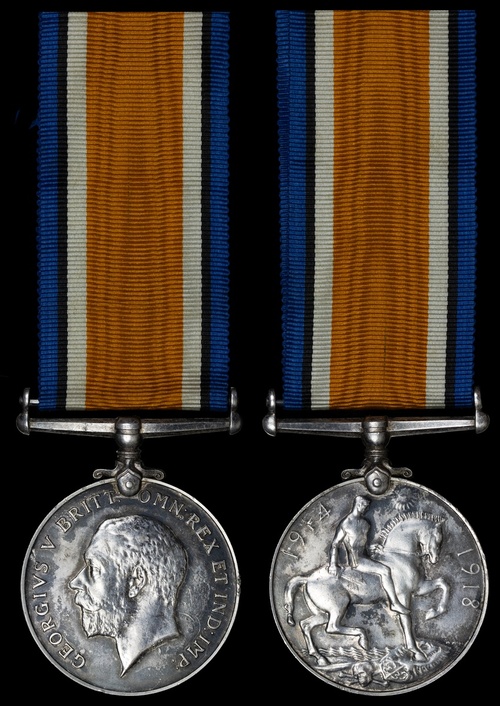
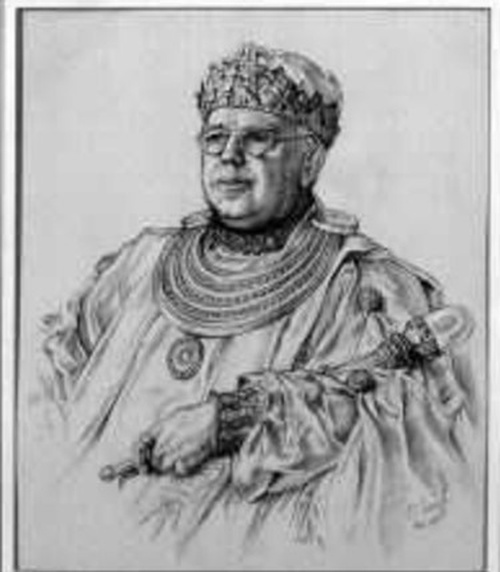
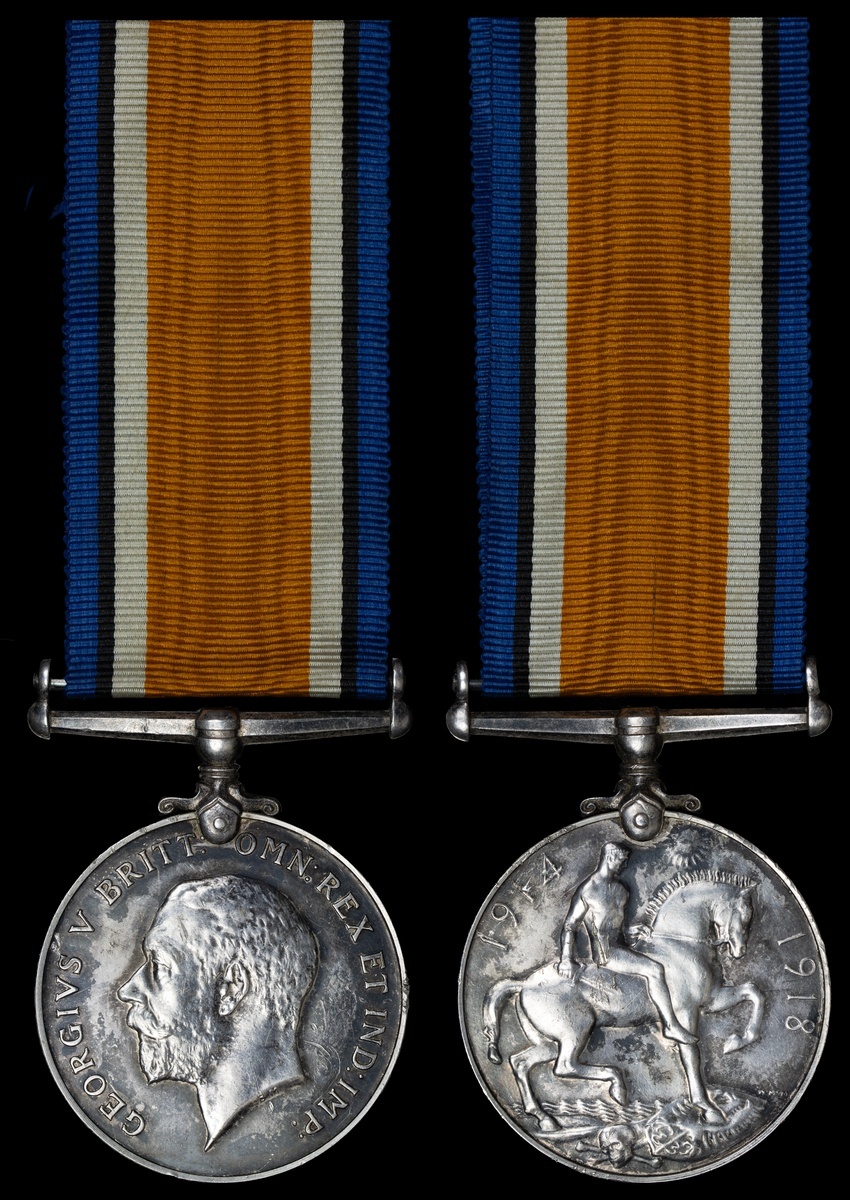
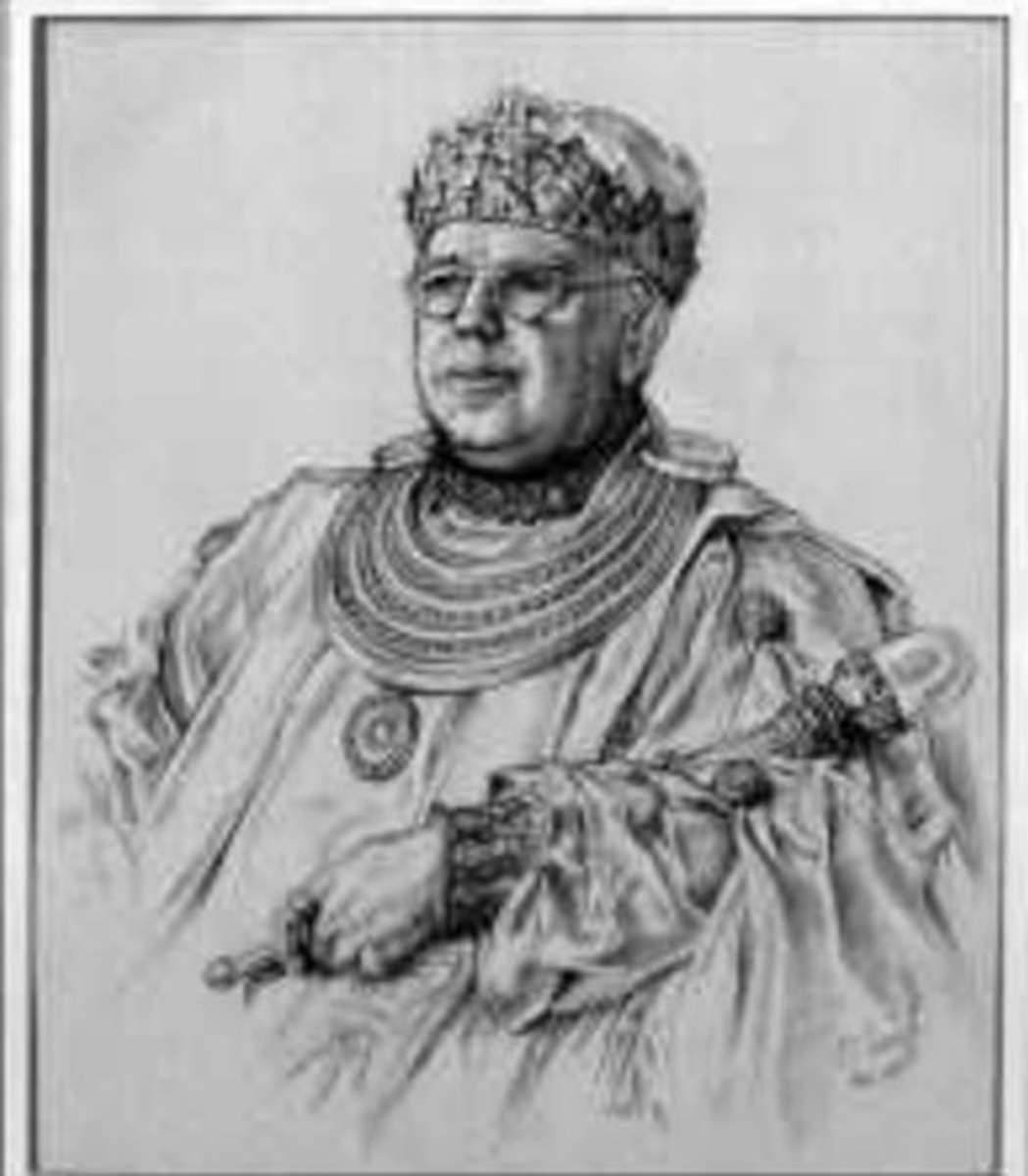
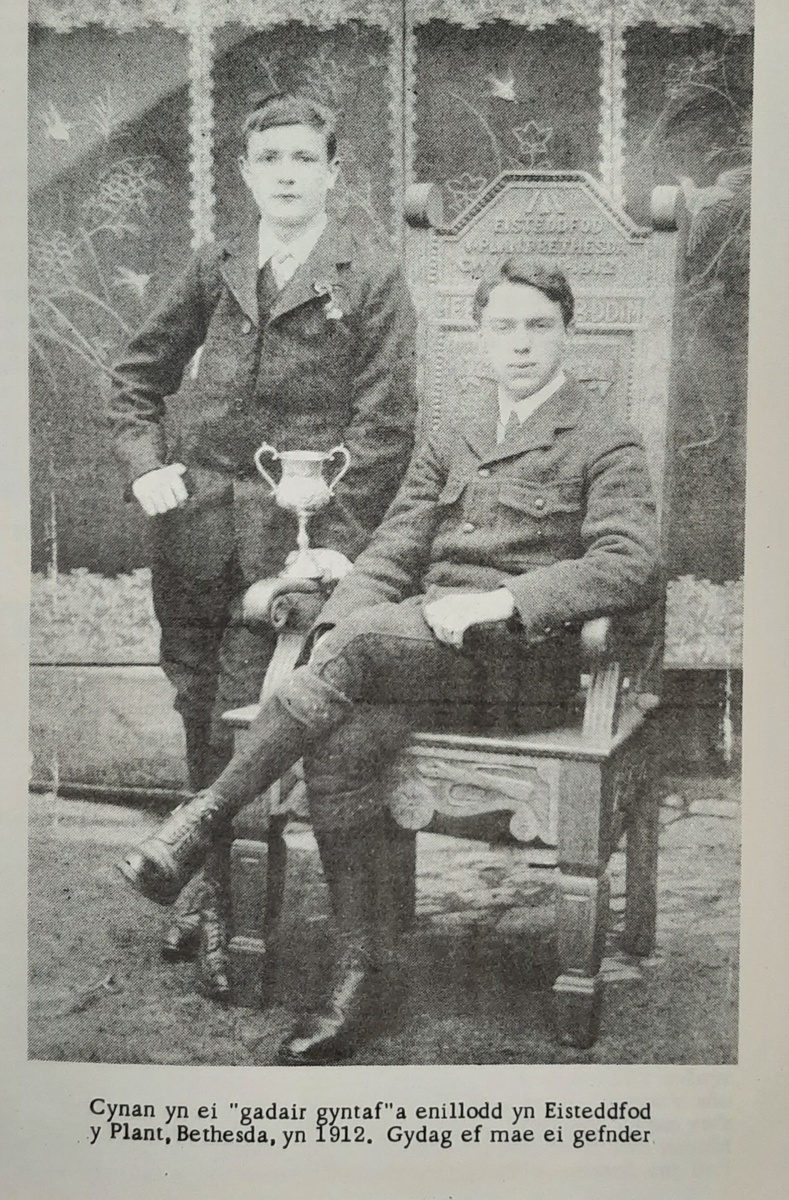
The superb British War Medal awarded to Reverend A. Evan-Jones, Army Chaplain's Department later Sir A. Evans-Jones, K.B.E., who went by the bardic name Cynan, one of the most influential figures of the 20th Century in Welsh literary circles
British War Medal 1914-20 (Rev. A, Evans-Jones.), good very fine
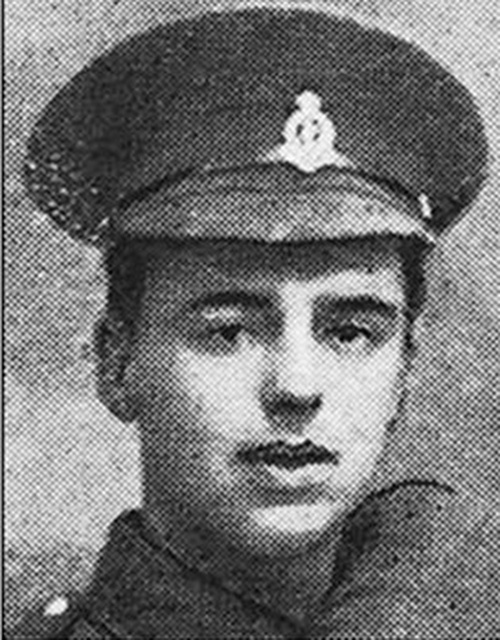
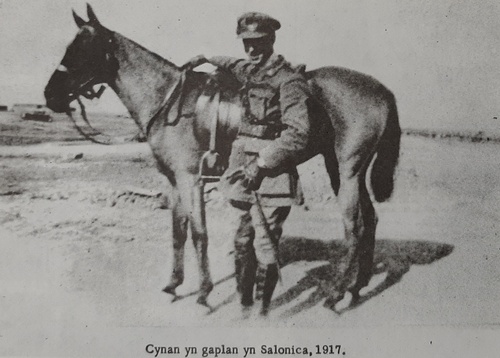
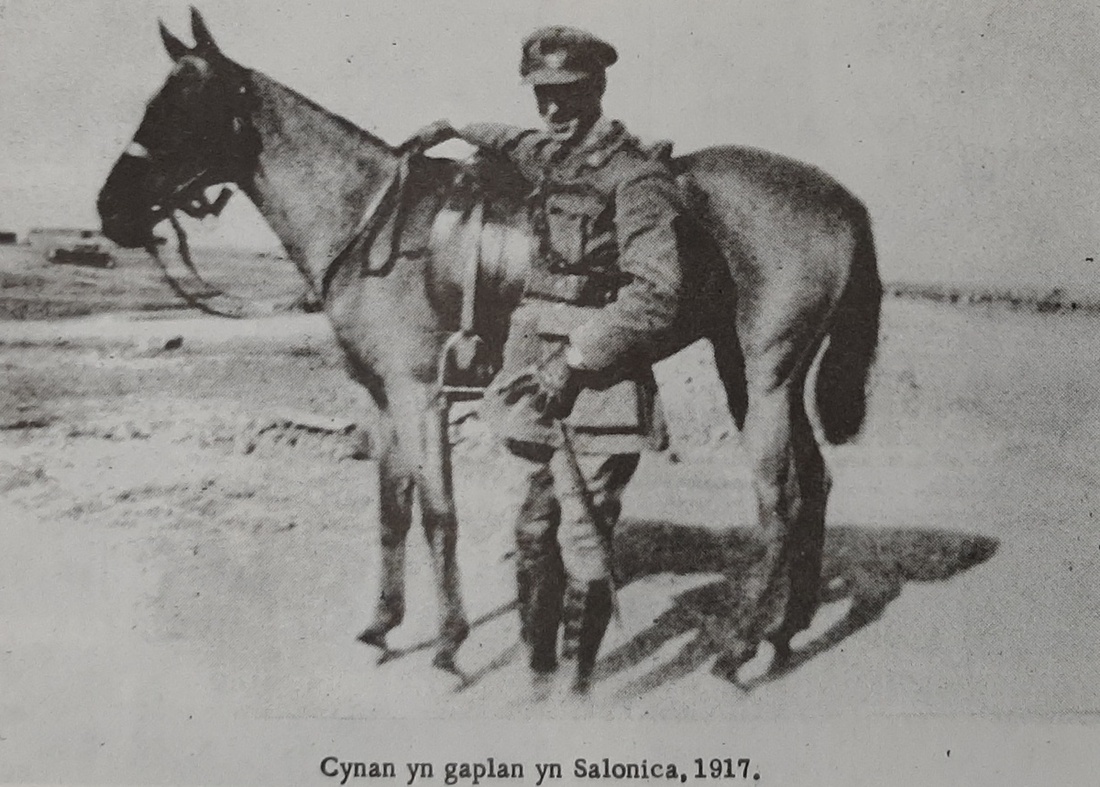
Albert Evans-Jones later also known as Cynan, was born at Pwllheli, Caernarvonshire on 14 April 1895 the son of Richard and Hannah Jones, his father ran the Central Restaurant at Penlan Street, Pwllheli. Educated at Pwllheli Grammer School and later the University College of North Wales, Bangor he graduated in 1916, immediately joining the 86th (Welsh Student Company) of the Royal Army Medical Corps. However he was Appointed Chaplain to the Forces, 4th Class on 5 September 1917 whilst serving in Salonica.
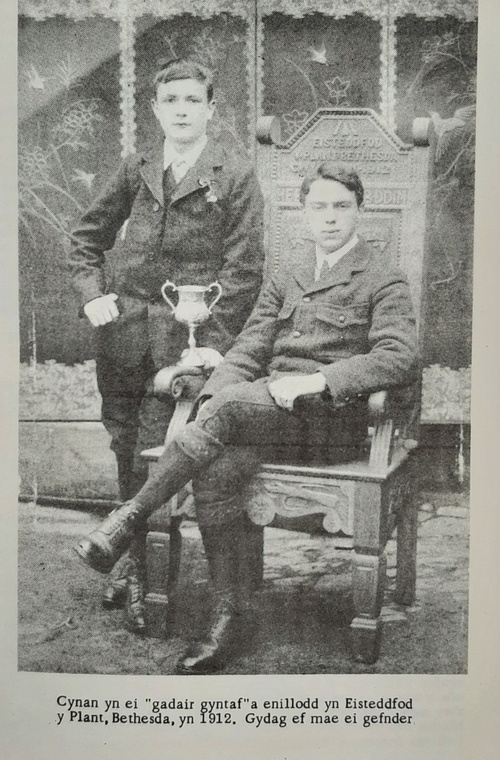
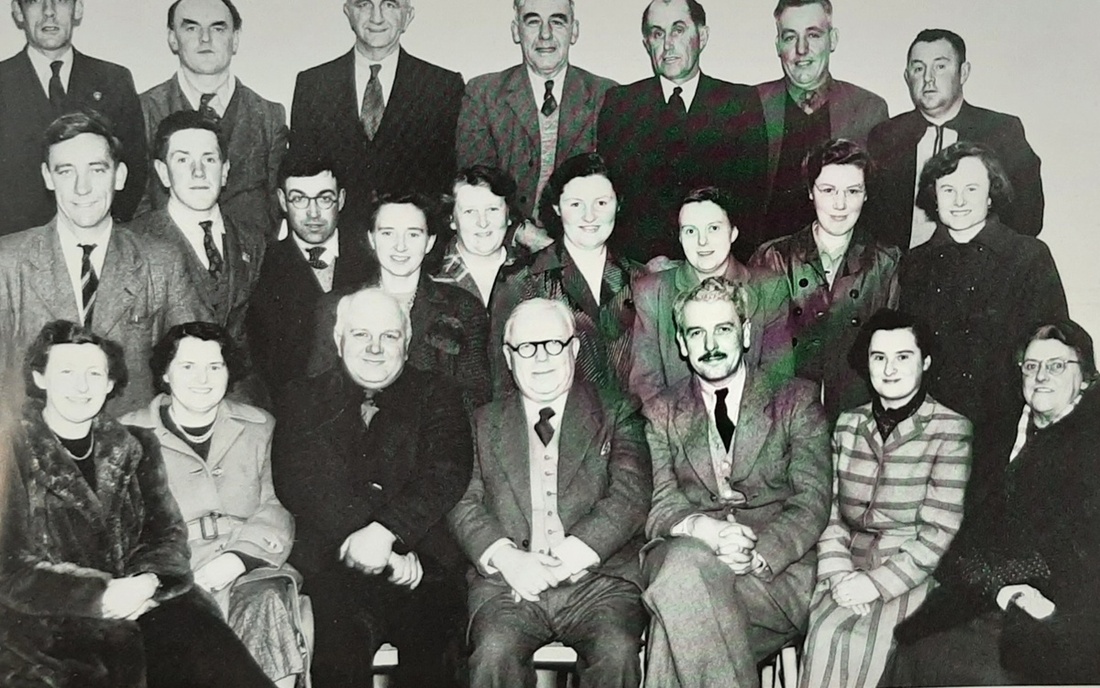
After the war he was ordained and began to work as a priest but also as a dramatist and poet in the Welsh bardic tradition. Evans-Jones won the Eisteddfod crown in 1923 and the chair the next year in 1924. Appointed Regional Tutor for Anglesey, a role which fell under the purview of the University College of North Wales, Bangor, where he remained a fixture until his retirement.
The Dictionary of Welsh Biography perhaps summarises his post-war career and impact of modern Welsh culture best, stating:
'Cynan, as he was generally known, was a prominent figure in the life of Wales through his links with the National Eisteddfod. (He adopted the pseudonym Cynan on becoming a member of the Gorsedd of Bards, and retained it in his title on being knighted). He was appointed Recorder of the Gorsedd in 1935, and joint-secretary of the National Eisteddfod Council in 1937. From 1950 till 1954 and from 1963 till 1966 he held the post of Archdruid, the only instance of a person being elected to a second term in this office. Soon after his appointment as Recorder of the Gorsedd he initiated changes and reforms. Endowed with a keen sense of drama and pageant, he realised that the Gorsedd ceremonies were capable of being made attractive to the crowds. He brought order and dignity to the proceedings, and introduced new ceremonies, such as the flower dance. He renounced all the Gorsedd's former claims to antiquity and links with the Druids, and openly acknowledged that it was the invention of Iolo Morganwg (Edward Williams). He succeeded in gaining many new members, including some academics. In 1935 a start was made on the reorganisation of the Eisteddfod which resulted in the establishment of the Court and the Council, and in this Cynan played a prominent part. He was appointed President of the Court in 1967.
He was also prominent as a National Eisteddfod competitor. In 1921 he won the crown at Caernarfon with his poem ' Mab y Bwthyn ', the story of a young Welshman's experiences in the 1914-18 war. So topical was the subject and so simple and straightforward the style and the versification that the poem attained immediate popularity. The subject of Cynan's second prize poem, ' Yr Ynys Unig ' (Mold 1923), the story of Father Damien's mission to the lepers, made this an equally popular composition. His third crown poem, ' Y Dyrfa ' (Bangor 1931), described a rugby match, the first time such a topic was attempted. The influence of contemporary English poets, especially John Masefield and J.C. Squire, is evident in these eisteddfodic poems, but it has been so thoroughly assimilated as to make the poems completely and distinctively Welsh. In the Pontypool eisteddfod in 1924 Cynan was awarded the chair for a poem ' I'r Duw nid adwaenir ', which is a unique achievement in that the poem is in the metre known as 'tri thrawiad', which is not one of the recognised strict metres. He also adjudicated many times at the National Eisteddfod.'
Publishing a number of volumes of poetry and also a number of plays one of his best known is the poem written upon his retirement from the University College of North Wales:
'When I am old and reverend
With money to my name,
With all my judgments over
Yet basking in my fame:
I'll buy a lonely cottage
With nothing 'fore its door,
But the rocks of Aberdaron
And the ocean's maddened roar.'
(Translated from the original Welsh by Robin ap Cynan)
Evans-Jones died in Anglesey on 26 January 1970; sold together with copied research and two biographies Cynan Y Llanc o Dref Pwllheli and Bro a Bywyd.
Subject to 20% VAT on Buyer’s Premium. For more information please view Terms and Conditions for Buyers.
Sold for
£290
Starting price
£70

Watch, listen and bid as if you were in the room. Now available for auctions worldwide.
Click here to bid live
An exclusive and confidential service for the discerning collector or vendor.
View the Gallery
Download every Spink catalogue on your iPad, iPod or iPhone using free Spink app.
Download From iTunes© 2026 Spink & Son. All rights reserved.